Packaging
Materials, regulation and design at the point of sale.

Bioactive Compounds from Seaweeds as Natural Preservatives for Seafood
Escalating environmental concerns over petroleum-based plastics have driven growing interest in seaweed-derived polysaccharides and bioactive compounds as sustainable alternatives for biodegradable packaging. This review synthesizes recent advances in seaweed-based packaging, particularly related to seafood preservation.
Active Packaging, Fruit Volatilome, and the Preservation of Taste and Aroma Quality in Fresh Fruits: A Review
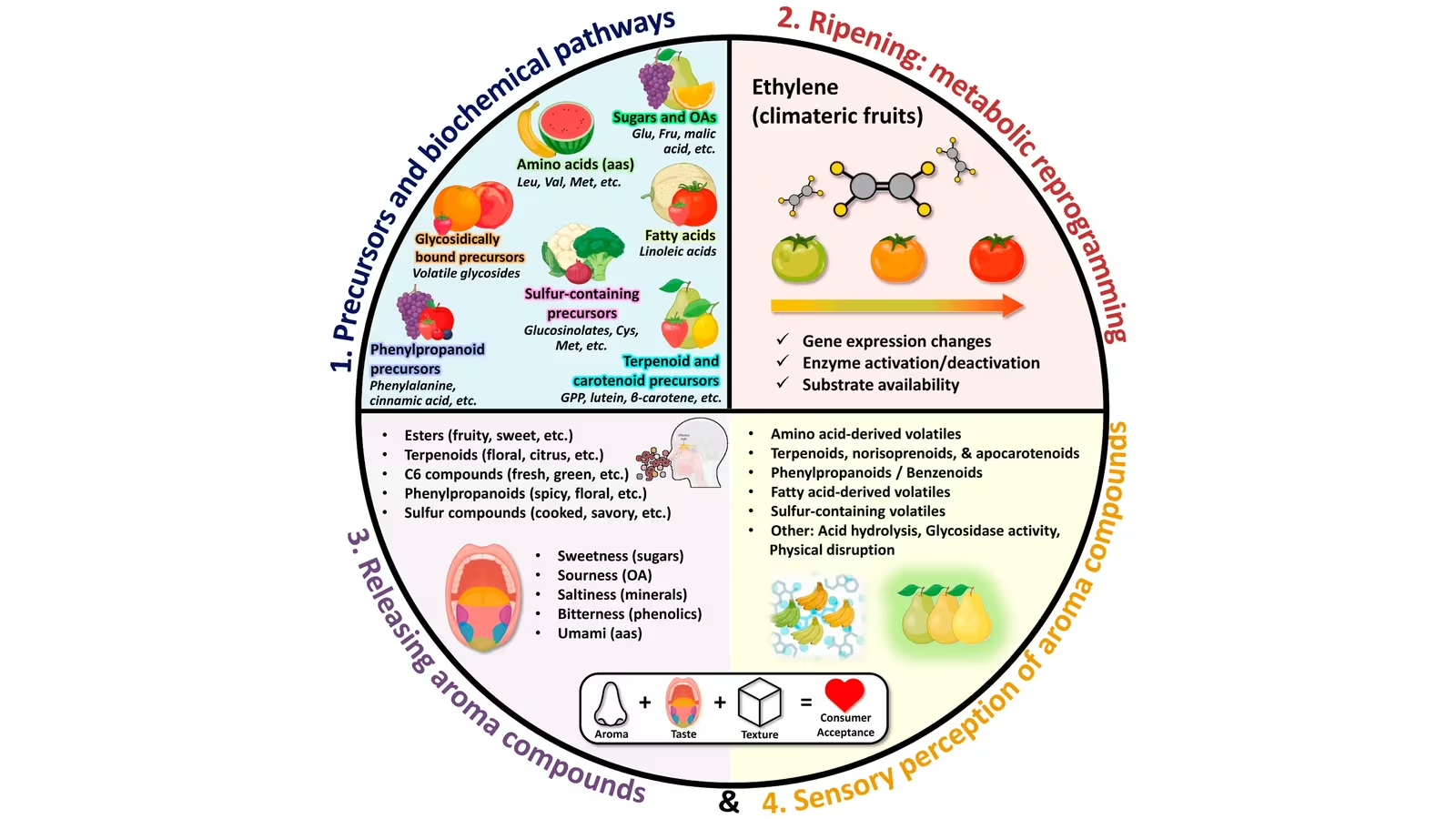
Fresh fruits are highly perishable products whose acceptance depends not only on external appearance and firmness, but also on the preservation of taste and aroma. This review addresses the relationship between active packaging and the maintenance of fruit sensory quality, with special emphasis on the volatilome as a dynamic marker of aroma integrity.
Evaluation of the Storage Stability of Starch-Based Films Containing Grape Seed Oil
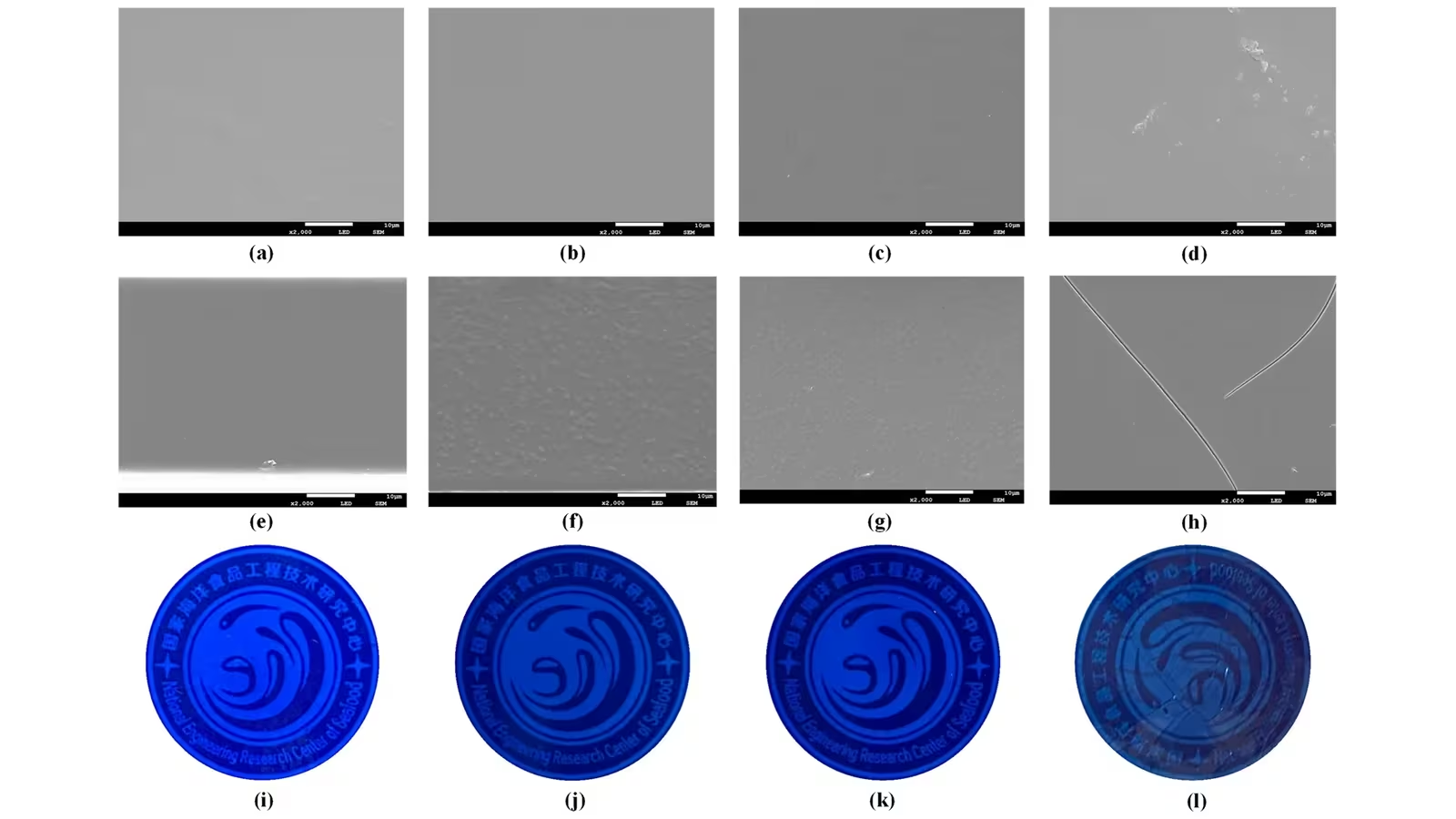
The increasing environmental concerns associated with petroleum-based packaging materials have accelerated the development of biodegradable alternatives, with starch-based films emerging as promising candidates. This study investigates the influence of grape seed oil (5-15 wt.%) and storage time (up to 5 months) on the mechanical, thermal, structural, and surface properties of potato-starch-based films for…
Bio-Nanocomposites Obtained by Green Synthesis with Silver Nanoparticles from By-Products of Fruits, Berries and Vegetables: Structure, Functionality and Applications-A Review
Silver nanoparticles (AgNPs) are widely studied as functional nanomaterials due to their exceptional antimicrobial properties, allowing their application not only in food packaging but also in medicine, cosmetics, and other biomedical and industrial fields. In recent years, special attention has been paid to "green" synthesis methods, in which AgNPs are obtained using by-products of fruit, berry, and vegetable…
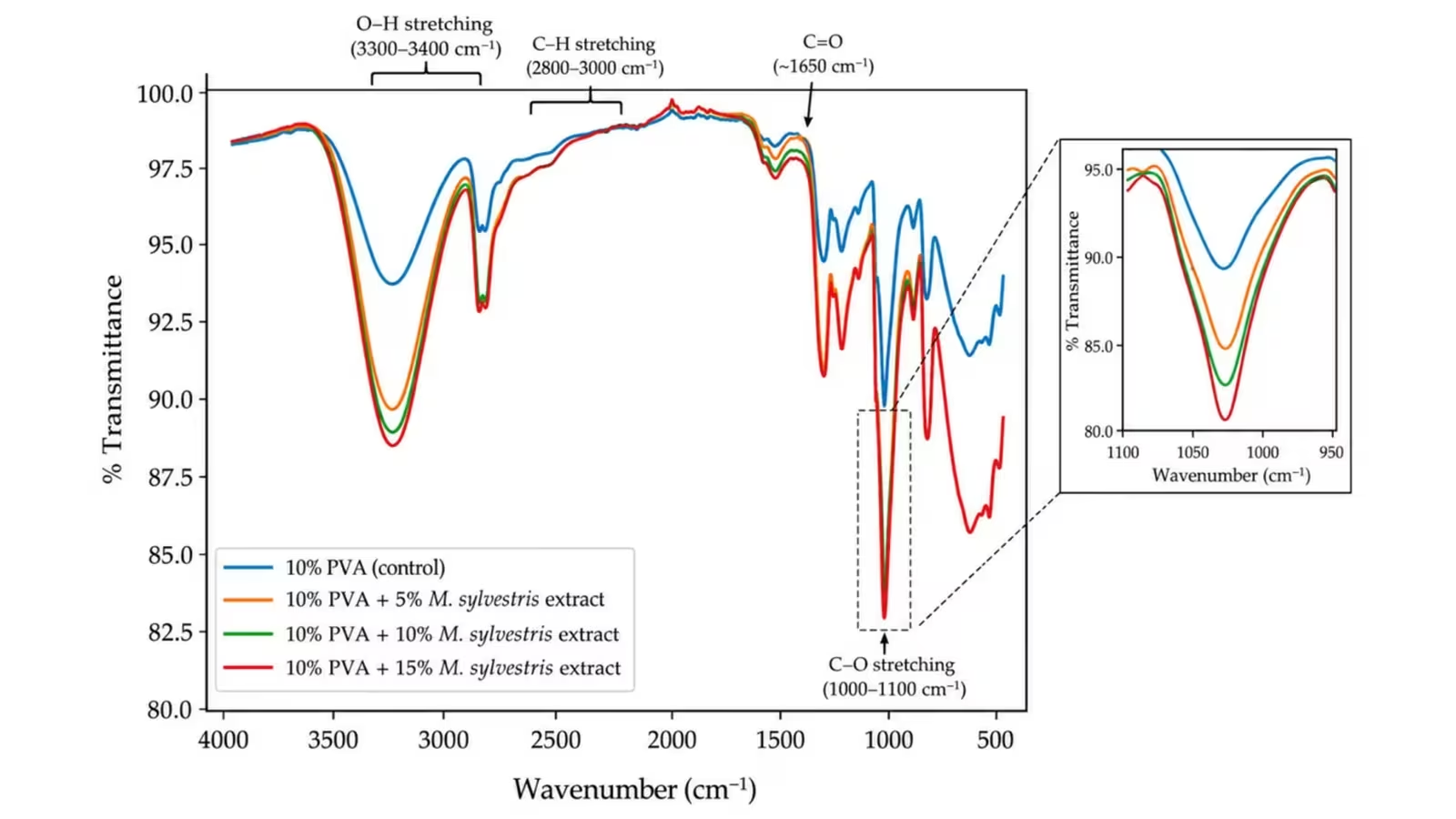
Phenolic-Rich Electrospun Bioactive Nanofibers from Mallow ( Malva sylvestris L.) as Active Packaging Materials
The development of bioactive packaging materials represents a promising strategy for reducing postharvest quality losses in fresh produce. In this study, phenolic-rich poly(vinyl alcohol) (PVA) electrospun nanofiber mats incorporating Malva sylvestris L. (mallow) leaf extract at 5%, 10%, and 15% were developed and evaluated as active packaging materials for blueberry preservation.
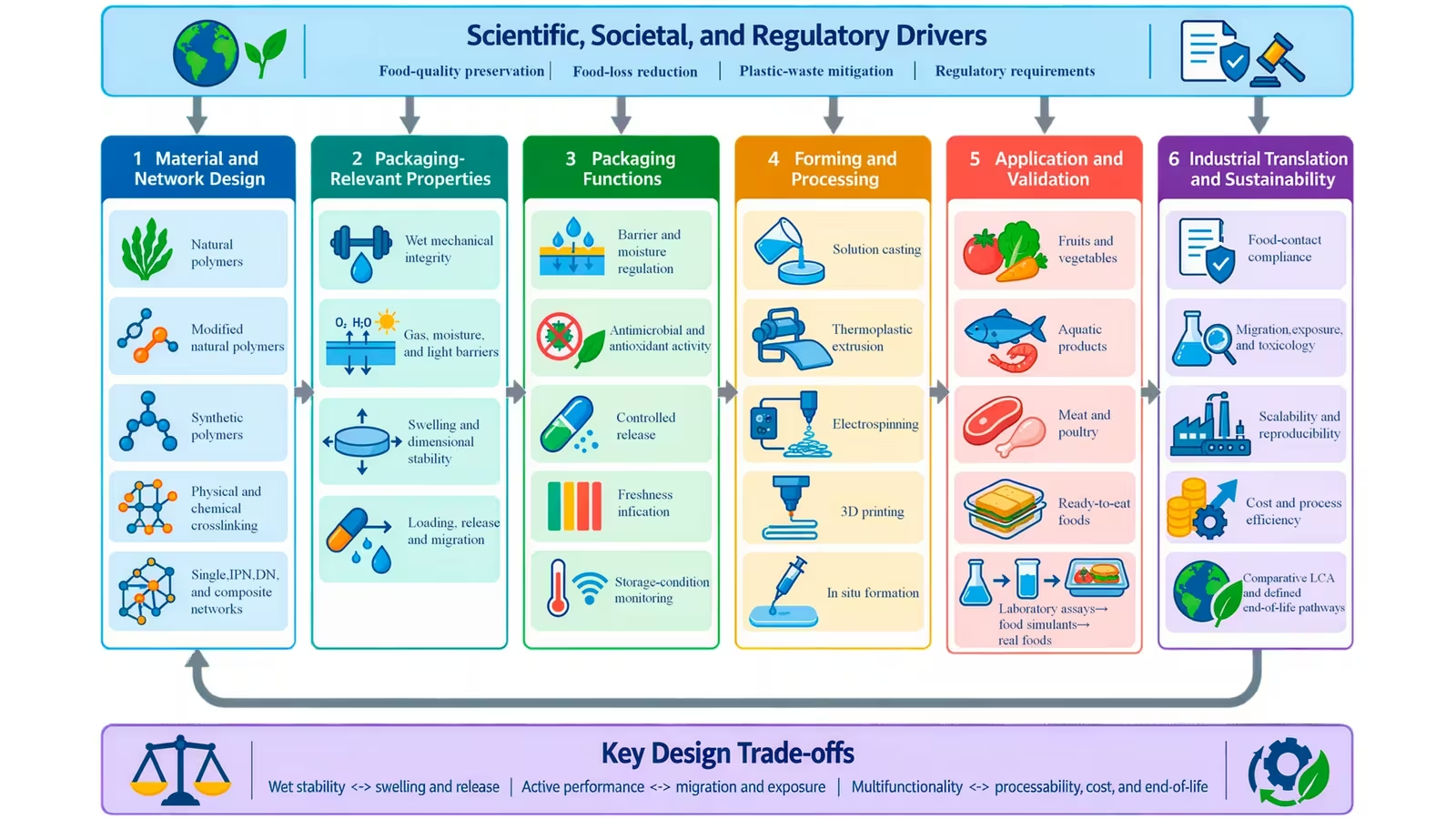
A New Paradigm for Sustainable Food Packaging: Construction, Properties, and Applications of Multifunctional Hydrogels
Conventional petroleum-based plastic packaging is facing formidable challenges in terms of both environmental sustainability and precise quality regulation of food products, compelling the food packaging industry to pivot toward biodegradable, recyclable, and intelligent solutions. Hydrogels, characterized by their unique three-dimensional network architecture, high water content, and excellent biocompatibility,…
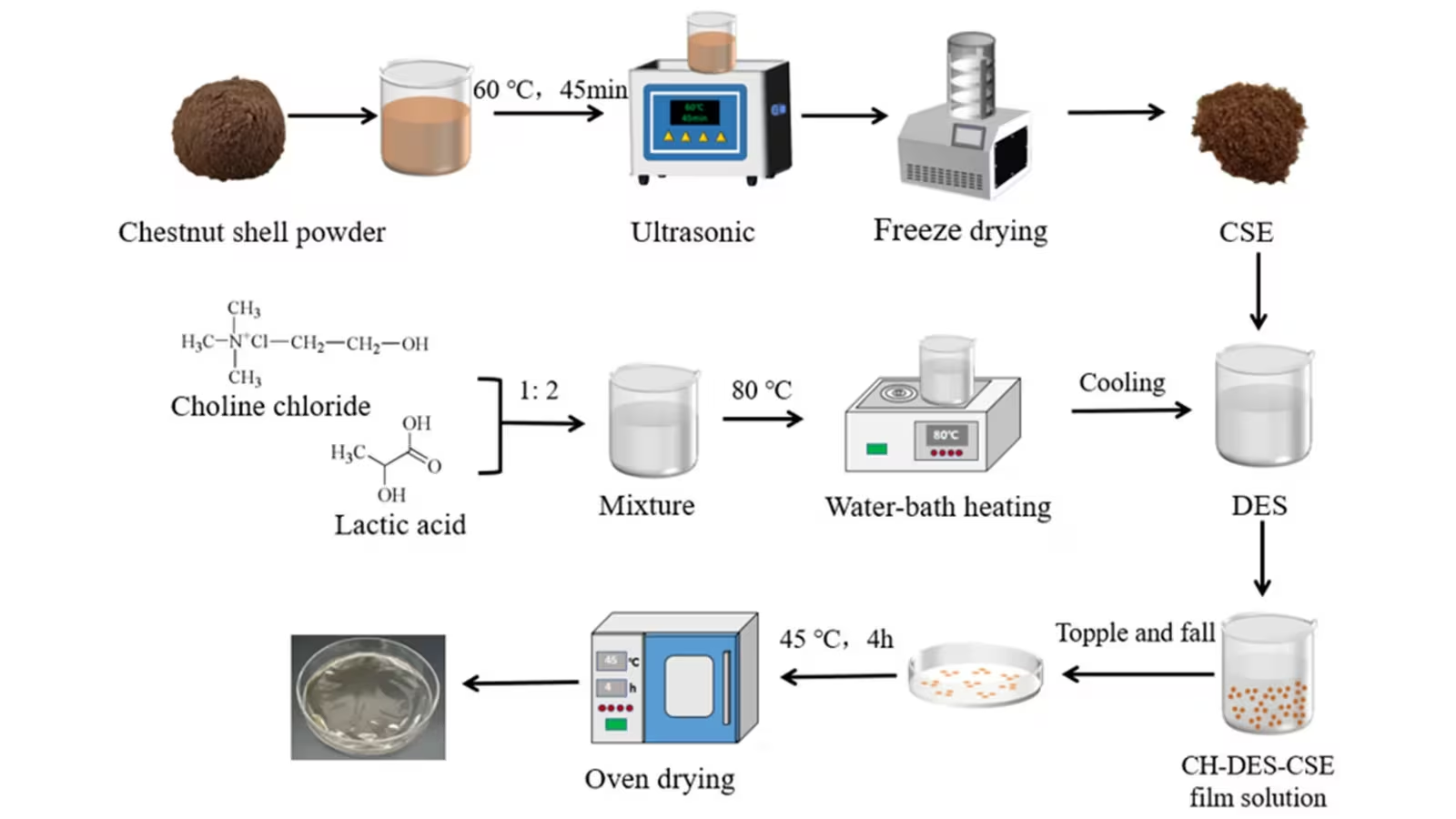
Reinforced Chitosan Active Film with Deep Eutectic Solvent and Chestnut Shell Extract: Physicochemical Characteristics, Structure, and Application in Strawberry Preservation
In this study, ternary composite active packaging films composed of chitosan (CH), deep eutectic solvent (DES), and chestnut shell extract (CSE) were prepared. The physicochemical properties, structural characteristics, and application in strawberry preservation were studied.
N,S-Co-Doped Carbon Dot-Reinforced Biopolymer Films with Enhanced Barrier, Antioxidant, and Antimicrobial Performance for Active Food Packaging
The development of sustainable active food packaging materials with multifunctional protective capabilities is highly desirable for improving food safety and extending shelf life. In this study, sulfur- and nitrogen-rich carbon dots (GLCDs) were synthesized from glycine and lipoic acid through a facile hydrothermal approach and subsequently incorporated into chitosan/poly(vinyl alcohol) (PVA) matrices to fabricate…
Sustainable Gamma-Crosslinked Hyaluronic Acid-Carbon Quantum Dots Films for Active Packaging and Extended Fruit Shelf Life
This study presents a sustainable approach for developing multifunctional hyaluronic acid-TMSPMA hydrogel films incorporated with banana stem-derived carbon dots (BCDs) via gamma radiation. The solvent-free radiation process enables sterile synthesis, homogeneous crosslinking, and uniform BCD distribution.
Development of a Biodegradable Polysaccharide-Based Polymer Film From Hibiscus sabdariffa Sepal Mucilage and Carboxymethyl Cellulose
This research investigated the feasibility of utilizing Hibiscus sabdariffa sepal mucilage (HSSM) as a novel biopolymer matrix in combination with carboxymethyl cellulose (1%, w/w) and varying glycerol content (10%, 15% and 20%, w/w) for the development of biodegradable films. The microstructural, thermal, mechanical, and physical properties, as well as the antioxidant and antimicrobial potential, of the resulting…
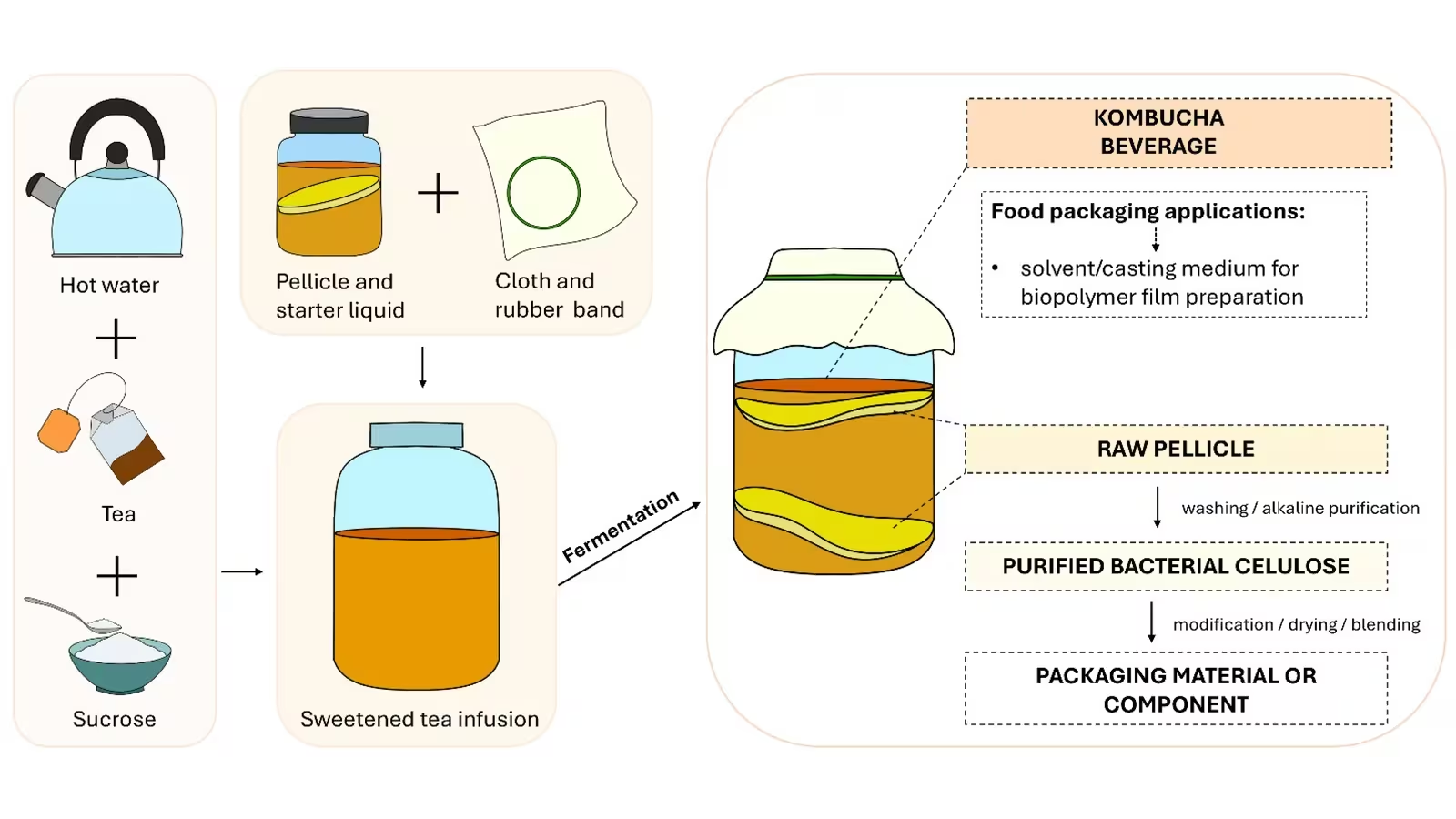
Kombucha-Derived Bacterial Cellulose for Active and Biodegradable Food Packaging: Production, Modification, Performance, and Current Challenges
Kombucha fermentation generates two fractions of potential relevance to food-packaging applications: a fermented liquid containing organic acids, polyphenols and other metabolites, and a cellulose-rich pellicle formed by cellulose-producing acetic acid bacteria. However, the fermented beverage, raw pellicle and purified kombucha-derived bacterial cellulose (KBC) differ substantially in composition, functionality and…
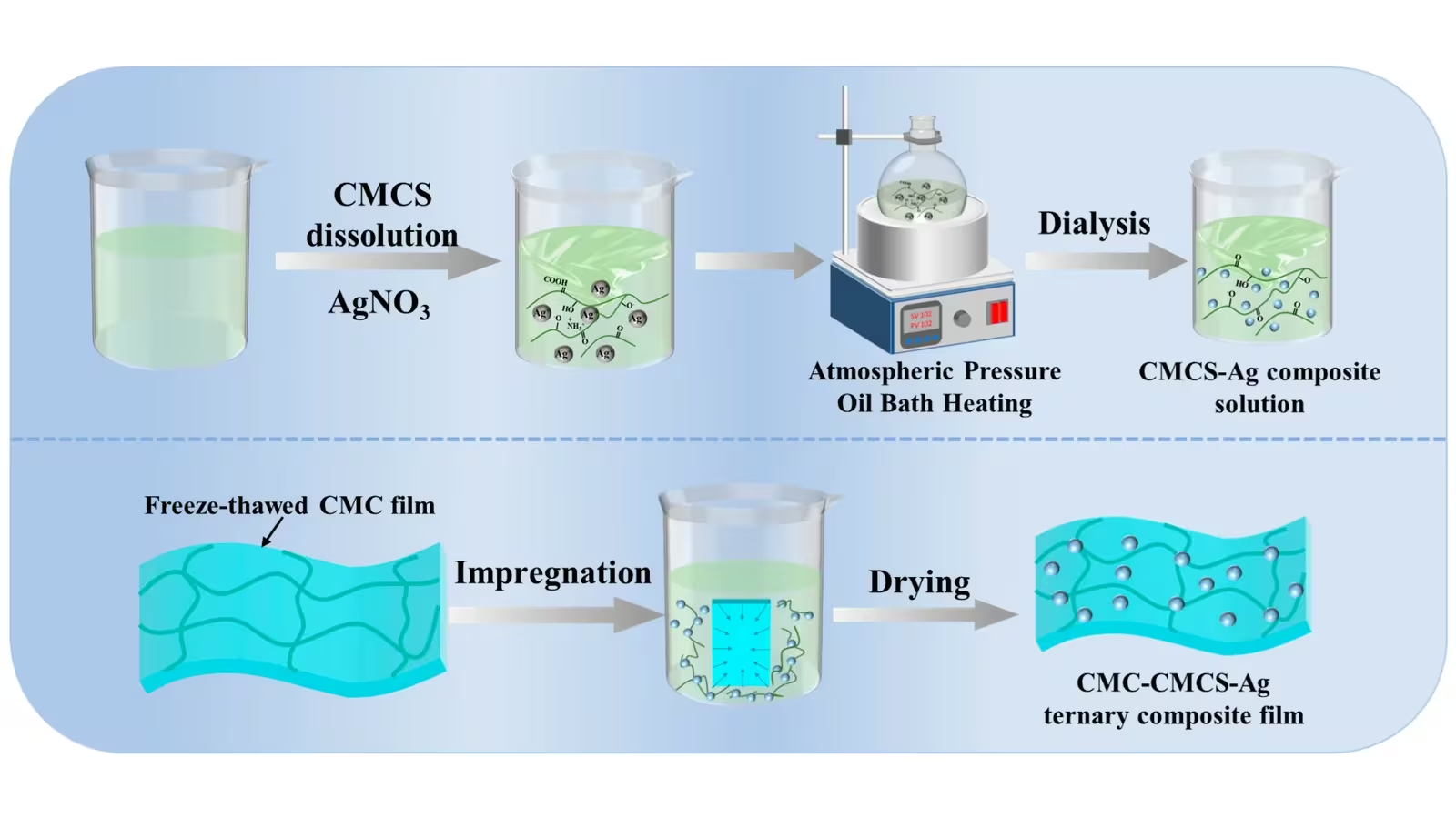
Preparation and Properties of AgNPs Loaded CMC-CMCS Composite Packaging Films with Dual Reduction and Stabilization Functions
Food packaging materials require both antibacterial activity and mechanical strength to ensure food safety. However, conventional synthesis of silver nanoparticles (AgNPs) often involves toxic reagents or leads to particle agglomeration, and composite films usually exhibit insufficient mechanical properties.
Laccase-Mediated Fabrication of Food Packaging Films: A Critical Review of Functional Performance, Safety, and Industrial Viability
Although natural biopolymers represent promising sustainable packaging alternatives, their weak mechanical and barrier properties limit industrial use. While previous reviews focus on descriptive aspects of enzymatic modification, this review fills a critical literature gap by systematically bridging molecular-level laccase-driven reactions with quantitative techno-economic and safety and regulatory frameworks.
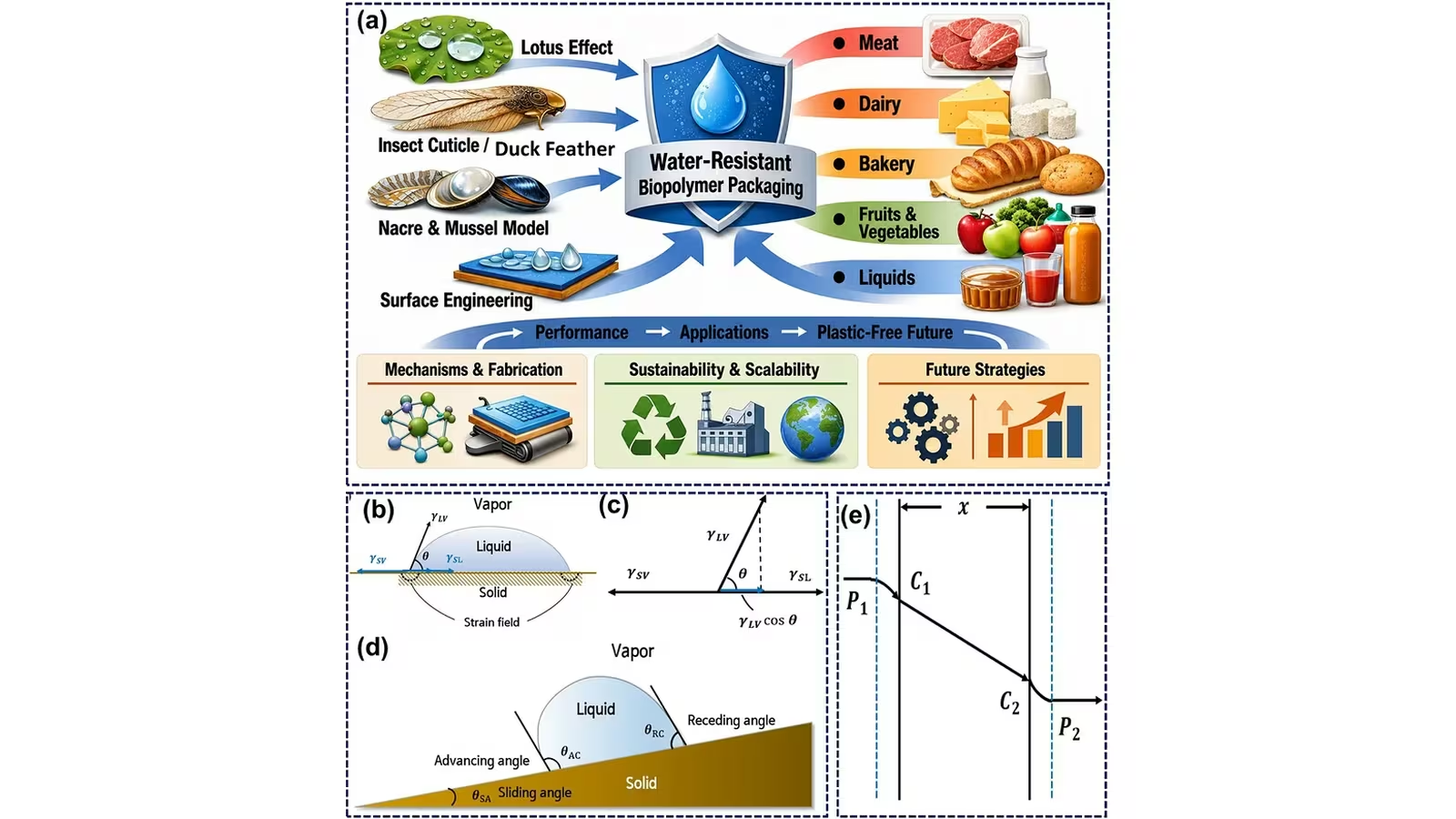
Biomimetic Design of Biopolymer-Based Water-Resistant Food Packaging Materials
With the growing demand for sustainable and eco-friendly food packaging, biopolymer-based materials are emerging as promising candidates due to their recyclability, biodegradability, and food safety. However, in practical applications dealing with high moisture content or perishable foods, their lack of water resistance poses a significant barrier, limiting their widespread use.
Biodegradable Protein Films Derived from Pea-Processing By-Products: Matrix Compositions, Properties, and Potential in Active Food Packaging
The extensive use of petroleum-based packaging materials has generated significant environmental concerns because of their poor biodegradability and their contribution to plastic pollution. Growing attention has therefore been directed toward sustainable packaging systems derived from renewable resources.

Development of a Phycocyanin-Copper-Loaded Gelatin-Chitosan Active Forming Film Solution and Its Application in Fruit Quality Preservation
Phycocyanin-Cu 2+ -loaded gelatin-chitosan composite films (Gel/Cu@PC/Ch) were developed as active packaging materials to address the postharvest deterioration of fresh produce. A series of composite films with varying chitosan (Ch) concentrations (0.1%, 0.5%, 1%, 5%, w / v ) were systematically fabricated and characterized.