Supply Chain
Trade, logistics, commodities and the movement of food.
Leakage-Aware Machine Learning and Deep Learning Benchmarking of Food Antioxidant Capacity Prediction on the Antioxidant Food Table
The Antioxidant Food Table is the largest open collection of measured food antioxidant capacity. It covers 3139 products assayed by the ferric reducing ability of plasma (FRAP) method.
Food Intelligent Quality and Safety Analysis: From Data-Driven to Data-Mechanism Hybrid-Driven Paradigm
In recent years, numerous studies have reported on intelligent analytical applications for food quality and safety. To identify the underlying patterns and development trends in this field, this paper presents a comprehensive review from the perspectives of both data-driven and mechanism-driven paradigms.
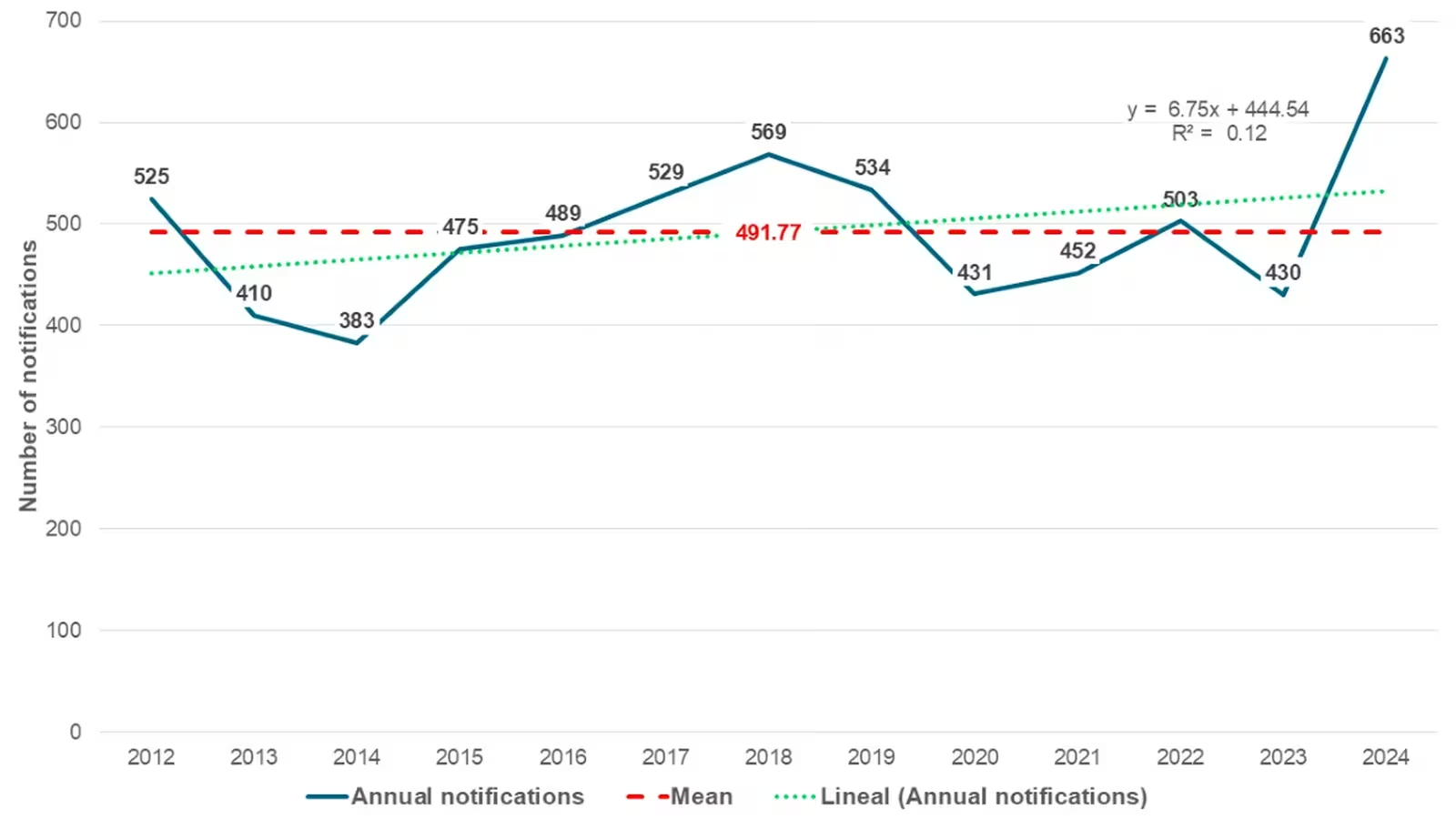
Mycotoxin Notifications in the European Rapid Alert System for Food and Feed (RASFF): Temporal Trends and Implications for Food Safety and Exposure
Mycotoxin contamination in food and feed remains a major public health concern because of its potential toxicological impact and its global economic implications. Aflatoxins and ochratoxin A are of particular concern due to their carcinogenic, hepatotoxic, and nephrotoxic effects, highlighting the need for effective surveillance systems to reduce dietary exposure in the population.
Power and entitlement: Addressing the structural drivers of food insecurity and malnutrition
The world produces enough food for all, yet it falls short of providing a nutritionally balanced diet, and what it produces is extremely unevenly distributed, with high levels of undernourishment and obesity co-existing, often within the same countries. Policy responses have achieved only limited success because they often fail to address the underlying causes of these outcomes.
Delayed Climate Benefits and Toxicity Risks Could Hinder the Sustainable Deployment of Enhanced Weathering
Enhanced weathering has gained attention as a promising CO2 removal (CDR) practice, but previous life cycle analyses rely on theoretical assumptions that differ substantially from experimental observations and overlook the risks of heavy metal emissions. Here, we draw on data from existing empirical studies to conduct a prospective life cycle assessment of multiple enhanced weathering scenarios.
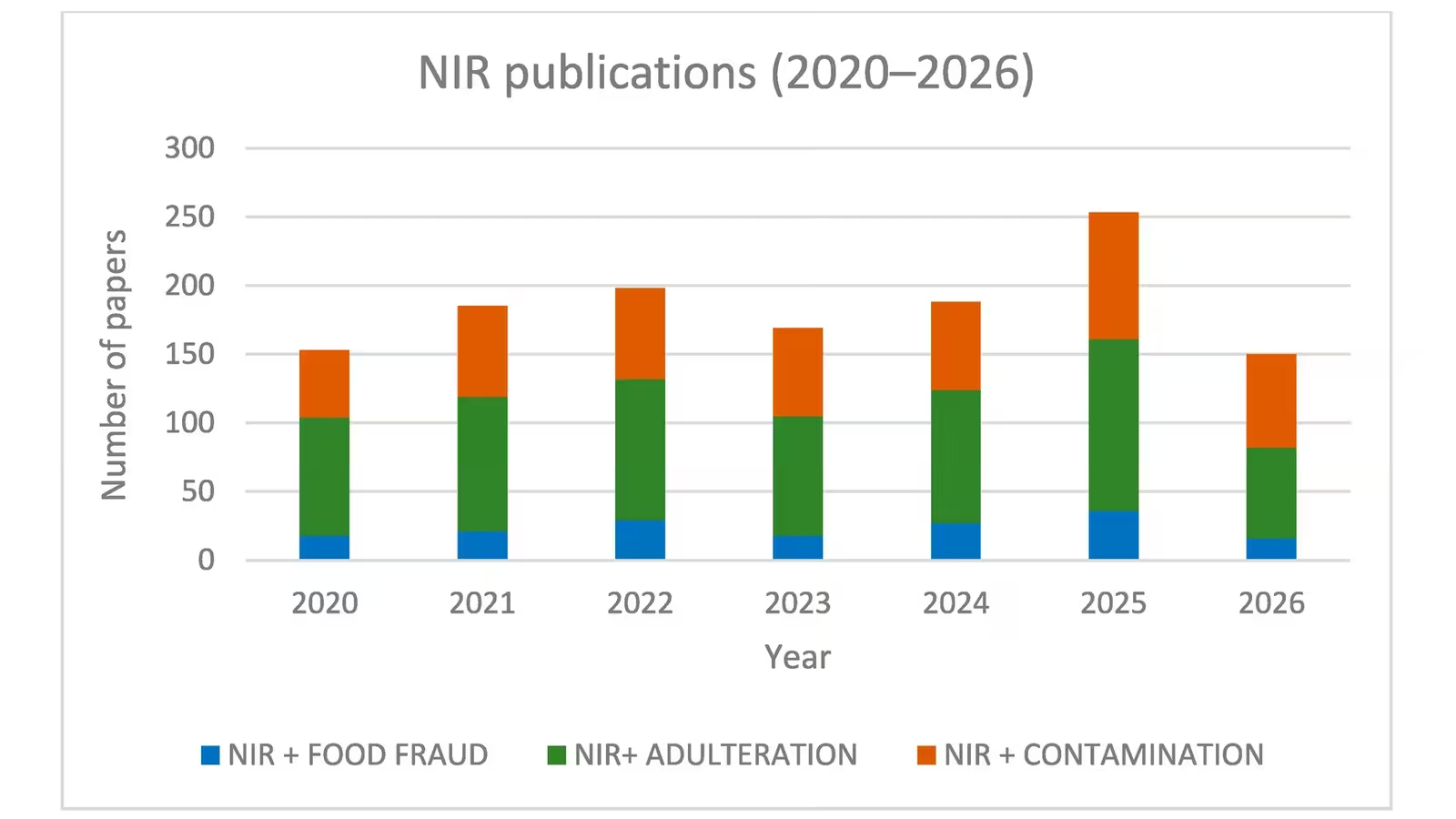
Applications of NIR Spectroscopy and Chemometrics for Food Authentication and Safety: Detection of Adulterants and Contaminants
Adulteration and contamination represent an ever-growing global problem, due to the emergence of increasingly sophisticated illicit commercial practices involving high-value and widely consumed products. Traditional chromatographic methods, such as liquid chromatography coupled with mass spectrometry, offer high sensitivity but their application is often limited by long analysis time, complex sample preparation, and…
Rubber-related chemical contamination in milk: Implications for dairy production systems
Rubber-related chemicals are widely used in tires and technical rubber products, but their occurrence in food remains poorly understood. This study analyzed 17 raw milk samples and rubber components from dairy production systems for benzothiazoles, guanidine accelerators, and p -phenylenediamine antioxidants.
Development, Physicochemical, and Sensory Evaluation of Naturally Formulated Dehydrated Fruits Rolls Enriched with Sea Buckthorn and Grape Freeze-Dried Pomace Powders
Pomaces, by-products from beverage industries, which are extremely rich in various bioactive compounds such as dietary fiber, polyphenolic compounds, carotenoids, etc., represent valuable sources of natural antioxidants. Due to their nutritional properties, innovative food products could be developed by incorporating pomace powders as potentially functional ingredients.
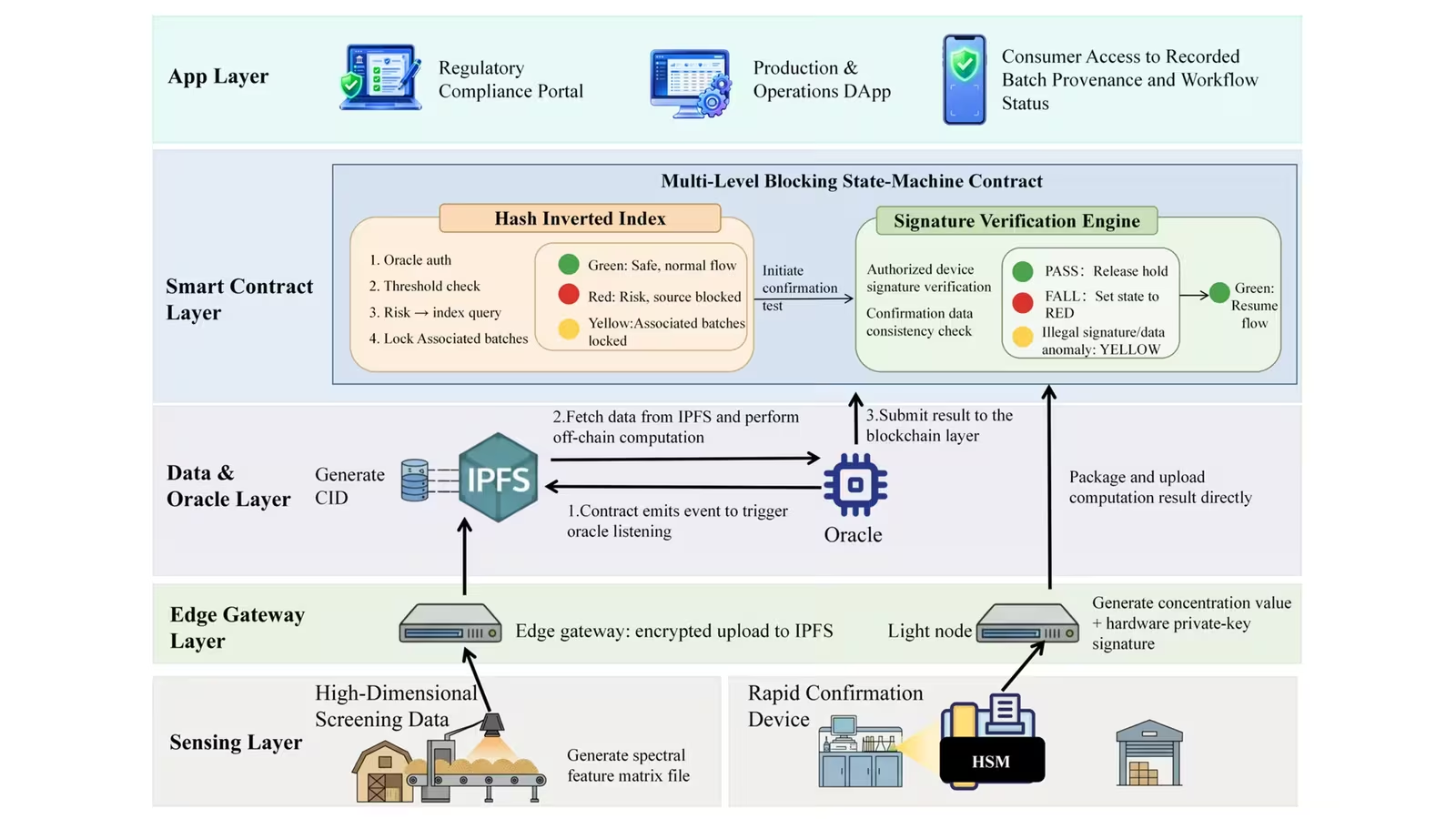
A Blockchain-Based Dual-Track Mechanism for Trusted Circulation of Food Safety Detection Data and Batch-Level Risk Control: An Aflatoxin B1 Case Study
Food-safety systems increasingly need to manage large detection files and externally generated analytical results across multiple organizations while linking these records to batch-level control actions. This study proposes a blockchain-based dual-track mechanism for trusted circulation of food-safety detection data and batch-level risk control, using aflatoxin B1 (AFB1) as the empirical case.
Digital technology innovation and agricultural industry chain resilience: implications for food security
Food security is increasingly threatened by climate shocks, market volatility, and geopolitical disruptions. A resilient agricultural industry chain is critical to ensuring a stable food supply, yet empirical evidence on how firm-level digital technology innovation enhances such resilience remains scarce.
Poly(Neutral Red)-Silver Nanorods-Carbon Nanotubes Composite-Based Ratiometric Electrochemical Sensor for Rapid Detection of Histamine in Crayfish
Histamine accumulation in spoiled aquatic products poses significant food safety risks, yet rapid and accurate on-site detection remains challenging due to the lack of direct electrochemical activity of histamine and severe matrix interference in complex biological samples. Herein, we report a ratiometric electrochemical sensor based on a poly(neutral red)-silver nanorods-carbon nanotubes (PNR-AgNRs/CNTs) composite…
Fermented fruit waste as a microbiome-active soil amendment: a review of field and greenhouse evidence (2009-2025)
Fruit residues generated across the global food supply chain constitute a rapidly growing, biologically reactive waste stream that, when left unmanaged, degrades environmental and agricultural quality, whereas controlled microbial fermentation offers a practical means of transforming this waste into stabilized, biologically active soil amendments. This review synthesizes evidence from field trials, greenhouse…
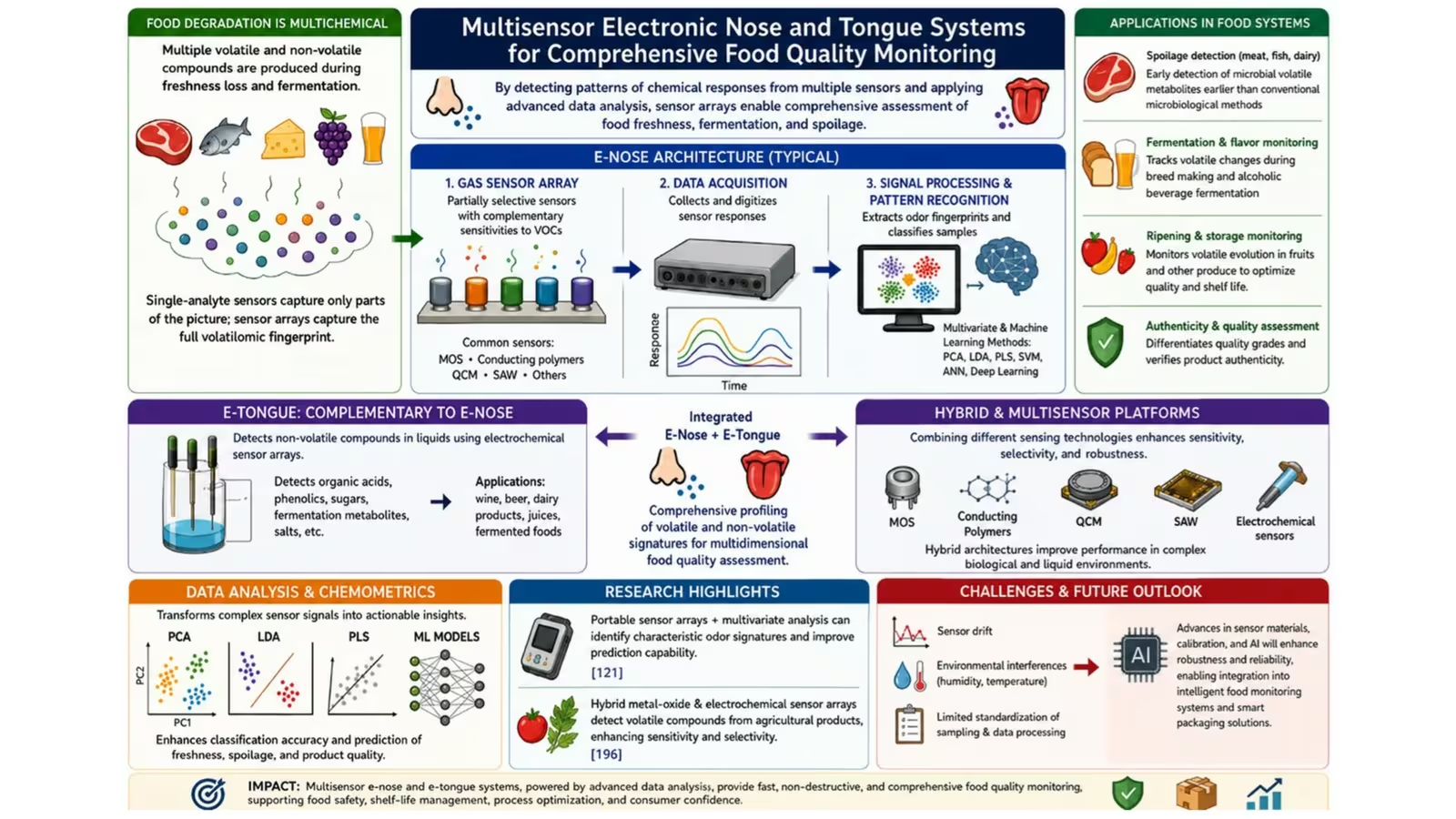
Smart Chemical Sensors for Monitoring and Detection of Spoilage in Fermented and Non-Fermented Food Products
Smart chemical sensors have emerged as promising tools for real-time monitoring of food spoilage in both fermented and non-fermented products. By detecting key spoilage indicators-including biogenic amines, ammonia, hydrogen sulfide, methane, pH variations, and microbial volatile organic compounds (MVOCs)-these systems enable rapid, on-site assessment of food quality, offering a viable alternative to conventional,…
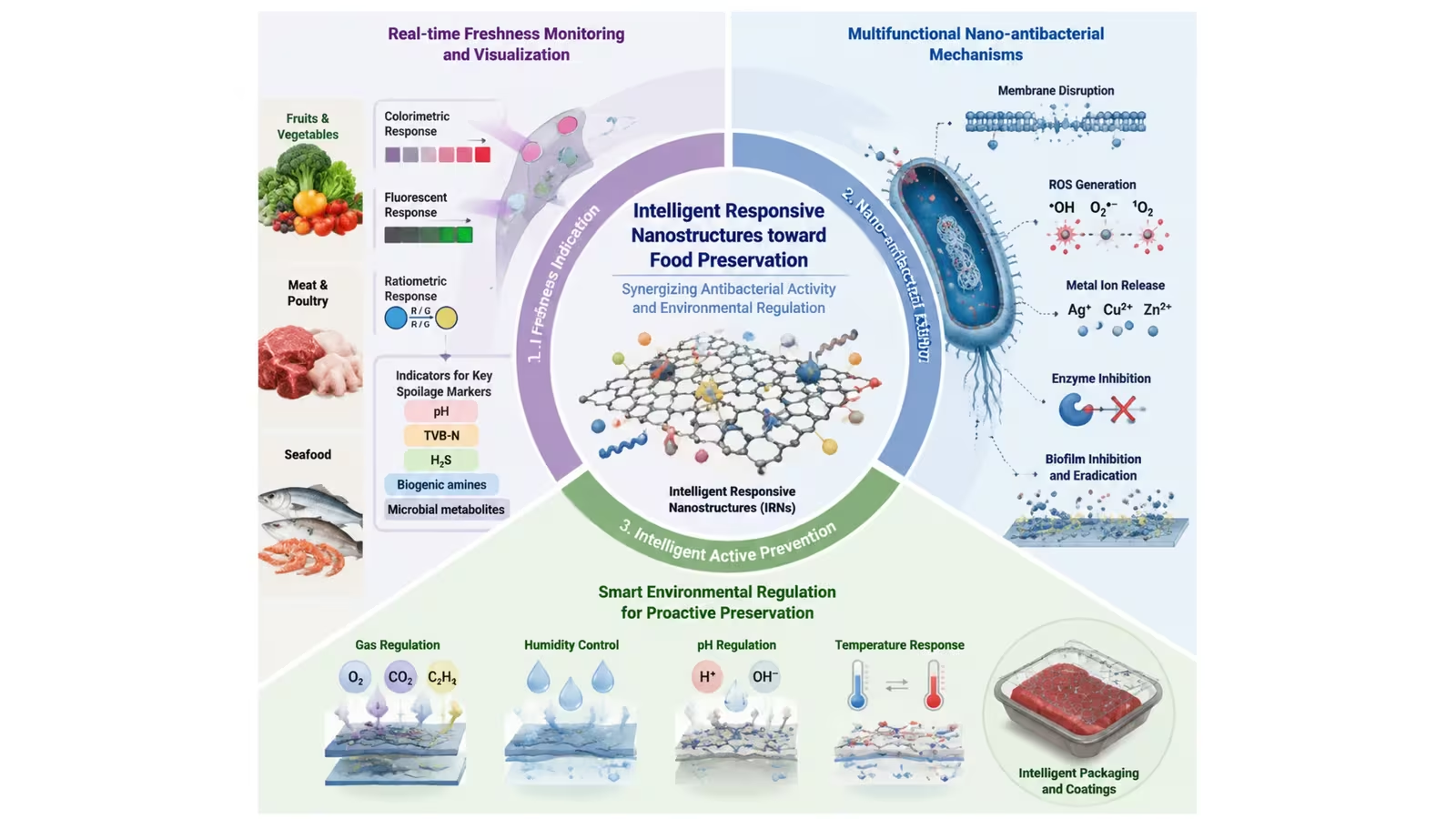
Intelligent Responsive Nanostructures Toward Food Preservation: Synergizing Antibacterial Activity and Environmental Regulation
Global food spoilage precipitates monumental economic deficits and persistent public health risks, exposing the acute vulnerabilities of conventional passive preservation modalities reliant on energy-intensive refrigeration and synthetic additives. Intelligent responsive nanostructures (IRNs) offer a transformative paradigm for active food preservation.
Insects and Human Society: Ecological Services, Nutritional Value, Livelihood Support and Cultural Significance from Global Perspectives to Rural Venda, South Africa
Insects are fundamental to ecosystem functioning and human welfare, yet their multifaceted contributions to ecological services, food security, rural livelihoods, and cultural heritage remain insufficiently represented in mainstream scientific research and policy. Despite growing global recognition of insect decline and the potential of entomophagy to address food system challenges, integrated evidence linking…
Antimicrobial Resistance at the Human-Animal-Environment Interface: A One Health Perspective on Drivers, Transmission, and Public Health Responses
Background Antimicrobial resistance (AMR) is a global health threat driven by interconnected antimicrobial use and environmental pressures across human, animal, and ecological systems. This review synthesizes current evidence on the major drivers, transmission pathways, reservoirs, surveillance challenges, and public health responses associated with AMR at the human-animal-environment interface.