Andean grains, such as quinoa ( Chenopodium quinoa Willd.), kiwicha ( Amaranthus caudatus ), cañihua ( Chenopodium pallidicaule Aellen), and tarwi ( Lupinus mutabilis Sweet), represent a nutritional and cultural heritage of paramount importance to Peru; however, their regular consumption remains limited despite widespread recognition of their beneficial properties. This study analyzes consumer behavior toward Andean grains among Peruvian individuals, characterizing purchasing and consumption patterns, motivations, and barriers, and examining their associations with sociodemographic variables within the cultural context. We administered a structured cross-sectional survey to 1074 Peruvian consumers using non-probability convenience sampling.
What the research examined
We used descriptive frequency analyses and chi-square tests with Cramer's V to evaluate associations between sociodemographic and behavioral variables. Quinoa was the most consumed grain (79.3%), followed by kiwicha (47.0%), cañihua (31.1%), and tarwi (7.9%). Most purchases and consumption practices were occasional (47.0% and 42.6%, respectively), with raw grain for home cooking being the dominant presentation (47.3%) and the local market being the main purchasing channel (36.4%). The main motives for buying were the nutritional properties (63.6%) and the product's natural character (46.2%), whereas cultural identity was a relevant secondary motive (21.8%).
What the findings mean
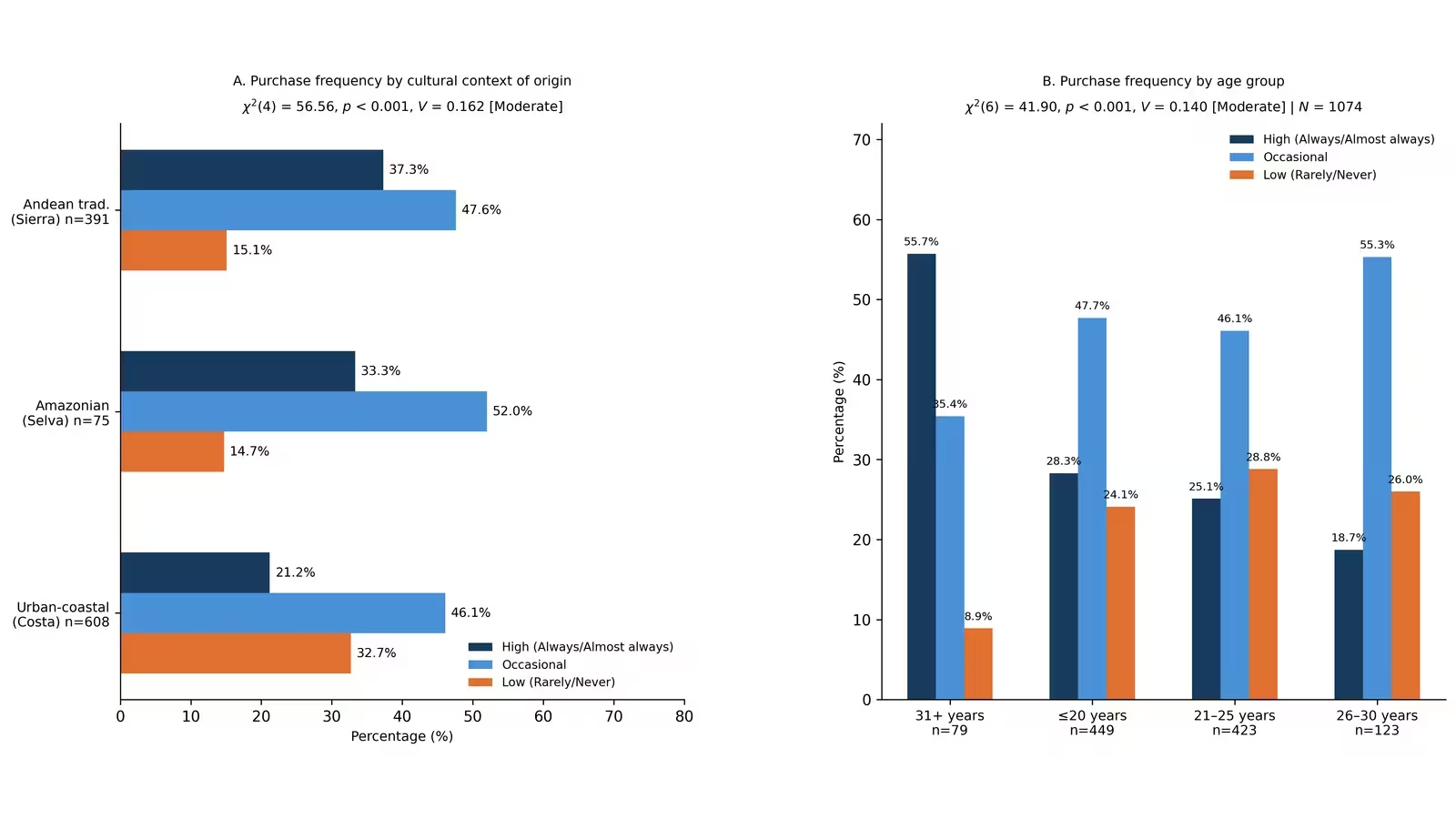
The most frequent barriers were high price (30.7%), lack of knowledge about preparation (26.9%), and lack of time (21.4%), which together accounted for 79.0% of the responses. Chi-square analyses revealed that cultural background showed the most consistent sociodemographic associations, with significant associations ranging from small to moderate (V = 0.099-0.169). Consumers from the traditional Andean context showed higher purchase frequency (37.3%) and greater use of alternative channels (26.1%) than those from the urban-coastal context, while in the latter, lack of time was the leading barrier (27.3%), tied with price. These findings reveal a pattern consistent with the gap between the positive valuation of these foods and their regular inclusion in the diet, and highlight the need for multidimensional interventions that address economic, cognitive, and time barriers to expand regular Andean grain consumption among Peruvian consumers, particularly in young urban segments.
Study authors: Millones-Liza DY, García-Salirrosas EE, Escobar-Farfán M, Veas-González I, Amasifuen-Reategui M, Acosta-Miraval EO.. This report is based on the openly licensed abstract and source record and has been formatted for newsroom reading.
Foods (Basel, Switzerland)
https://europepmc.org/articles/PMC13606031This report is prepared from the public source listed above for news and industry-information purposes. Original research, text, trademarks and images remain with their authors and rights holders; open material is used under the licence identified by its source. Rights holders may contact rights@asiafoodtimes.com with evidence of ownership, and verified concerns will be corrected or removed promptly. This article is not investment, legal, medical or nutrition advice.