Technology
Processing, automation, artificial intelligence and production systems.
Systematic Literature Review of Functional Snacks: Bioactive Properties, Food Technologies, and Consumer Acceptance
Functional foods containing antioxidants and anti-inflammatory compounds are a promising nutritional intervention. However, significant gaps remain in the literature on the development and evaluation of functional snacks for improving health outcomes.
Plant-Based Functional Custard Enriched with Vitamin D 3 : Insight into Technological Properties, Nutrition and Bone Tissue Regeneration
A plant-based or vegan diet is considered one of the most important dietary patterns, often followed for religious or health reasons. It should contain vital nutrients such as protein, iron, zinc, calcium, vitamin D, and others.
From Deep-Fat Frying to G-Frying: Exploring Absorption Dynamics of Oil Fractions in Fried Foods
There are some valuable reviews about strategies to reduce oil content; however, they do not thoroughly illustrate oil absorption patterns across different frying methods. The present study provides a comprehensive comparison of various frying methods, including deep-fat frying, hot-air frying, microwave frying, G-frying, pressure frying, vacuum frying, and infrared frying, focusing on the unique oil absorption…
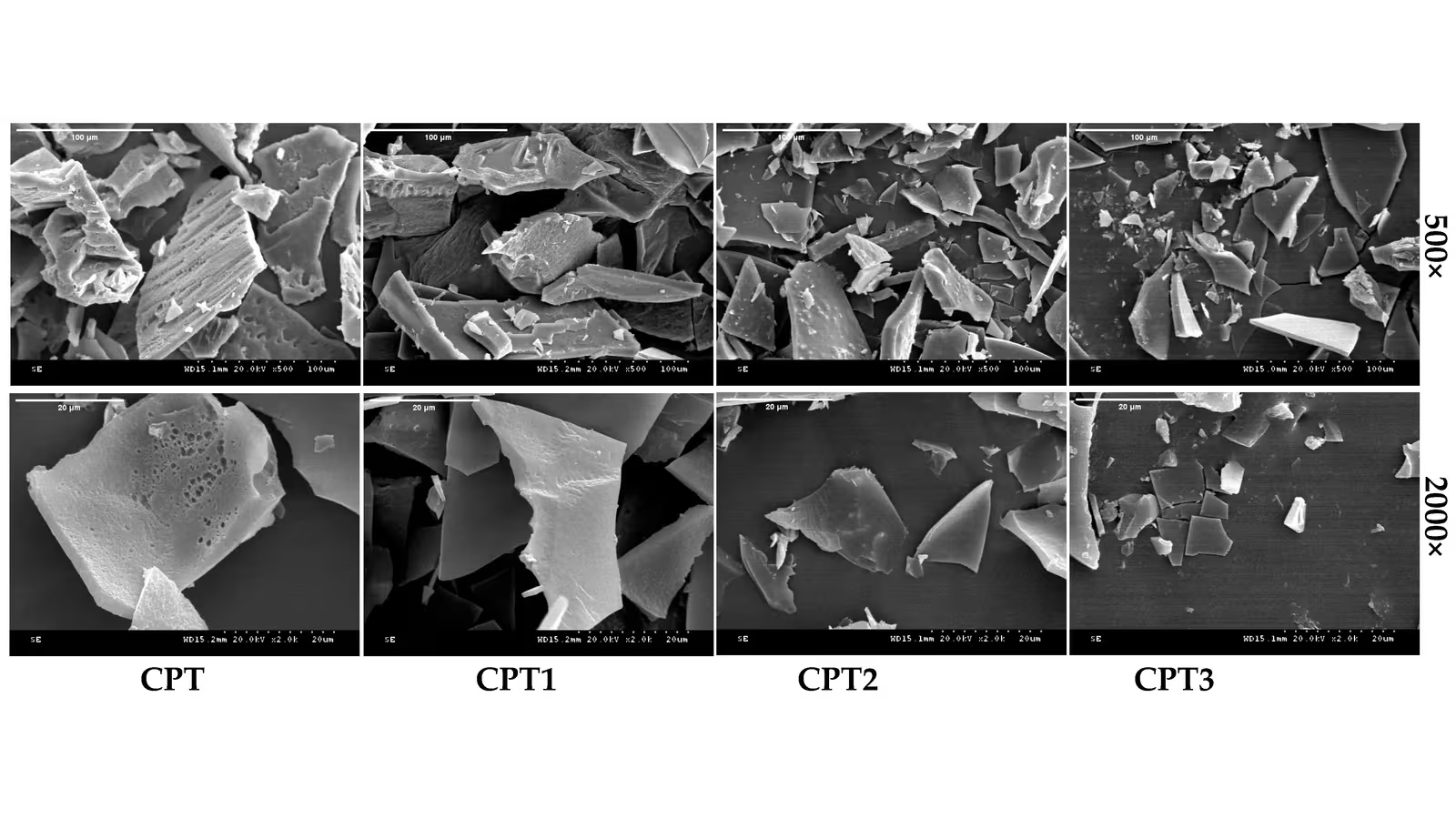
Molecular Weight-Dependent Functional and Antioxidant Properties of Glutamine-Rich Corn Protein Hydrolysate: Insights into the Predicted Structural Characteristics of Identified Peptides
In this study, corn protein hydrolysates (CPT) were prepared via enzymatic hydrolysis using Alcalase and Protamex, and then fractionated by ultrafiltration into three molecular weight components: >5 kDa (CPT1), 3-5 kDa (CPT2), and 50 values for ABTS radical scavenging and hydroxyl radical scavenging of 0.042 ± 0.003 mg/mL and 0.807 ± 0.019 mg/mL, respectively. Finally, 205 glutamine peptides were further identified…
Role of Non-Thermal Processing Technologies in Modulating Protein Allergenicity in Legumes
The global shift toward plant-based diets has increased legume consumption due to health and environmental benefits. However, storage proteins in legumes, such as albumins, vicilins, and legumins, can cause immunoglobulin E (IgE)-mediated allergic reactions ranging from mild symptoms to severe anaphylaxis.
Alternative Protein Systems: A Bibliometric and Comparative Review of Sustainability, Functionality, and Future Food Systems
The growing demand for sustainable protein sources has accelerated the development of plant-based, microbial, cultivated, and insect proteins. This review combines a systematic analysis of Scopus-indexed publications with bibliometric mapping in Biblioshiny and VOSviewer and a comparative synthesis across environmental, economic, technological, nutritional, and social dimensions.
Integrating Metabolomics and Network Pharmacology to Identify Xanthine Oxidase Inhibitors from Raspberry Leaf: Optimization by Ultrasound-Assisted Extraction and Kinetic Characterization
The rising global prevalence of hyperuricemia has intensified the search for natural xanthine oxidase (XO) inhibitors from food-grade botanicals. This study screened leaf extracts from four plant species for XO inhibitory activity and identified raspberry leaf as the most potent source.
Molecular Evolution of Sunflower and Cottonseed Oils During Preparation of Uzbek Palov
Understanding how vegetable-oil composition evolves during food preparation is essential for evaluating food quality and nutritional value. Palov is Uzbekistan's most widely consumed and culturally significant dish, serving as an everyday meal and a central element of hospitality and communal traditions.
Prioritizing Artificial Intelligence Opportunities for Food as Health in the U.S. Agrifood Value Chain
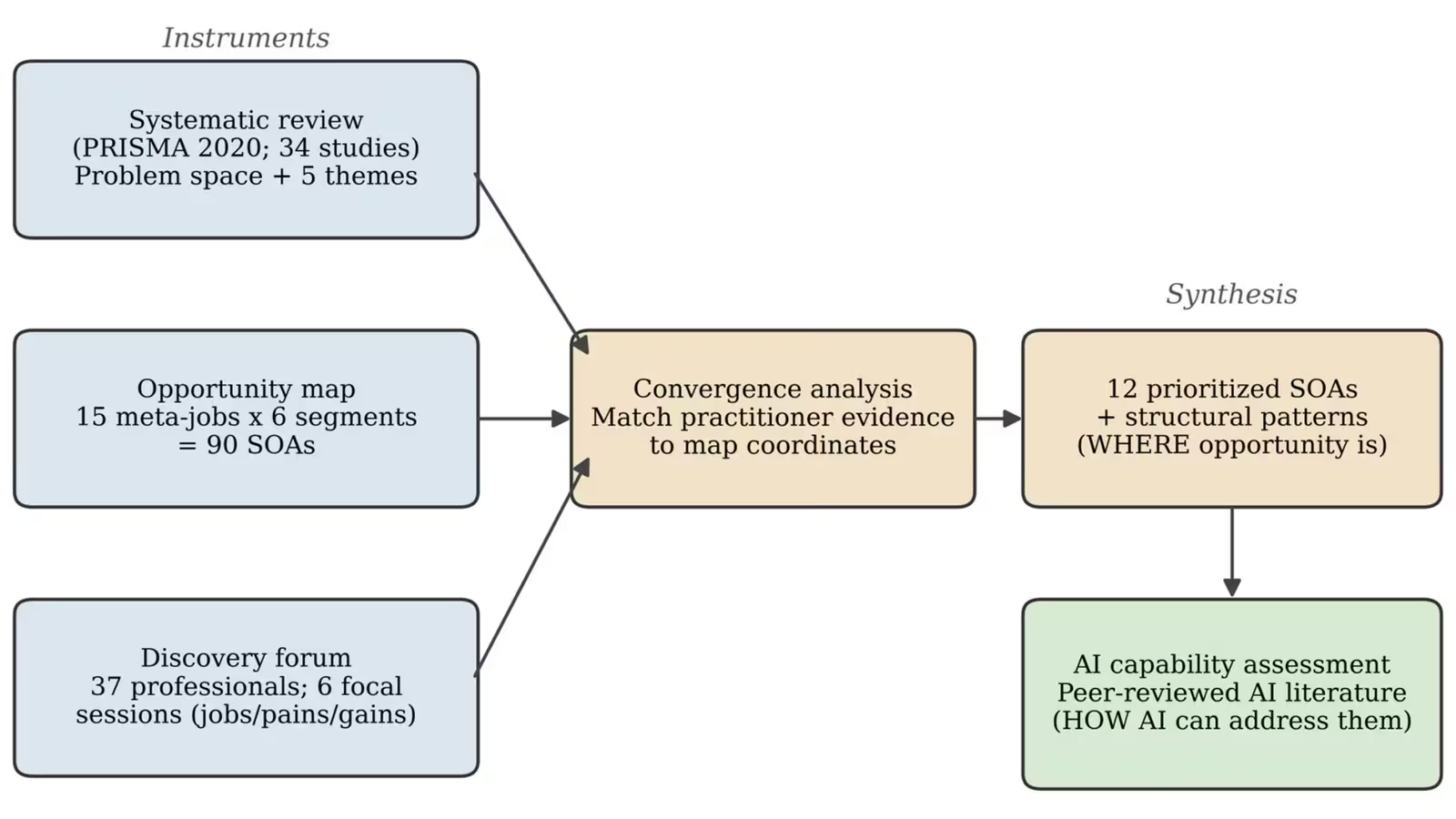
Food and health are converging across the agrifood value chain, and artificial intelligence (AI) is widely promoted to operationalize the link, yet firms cannot tell which food-as-health opportunities current AI can address. We identify the agrifood industry's highest-priority food-as-health opportunities in the United States and assess, against the peer-reviewed AI literature, how far current AI can address each.
Emergy-Based Sustainability Evaluation and Optimization Scenarios for 341 Chinese Home-Cooked Dishes
Chinese home-cooked dishes (CHCDs) link agricultural production and daily consumption, but their resource dependence and sustainability remain poorly quantified. We standardized 341 recipes from China's 34 provincial-level administrative regions, conducted a production-to-consumption analysis using emergy (solar-equivalent available energy directly and indirectly required for a product or service), and evaluated six…
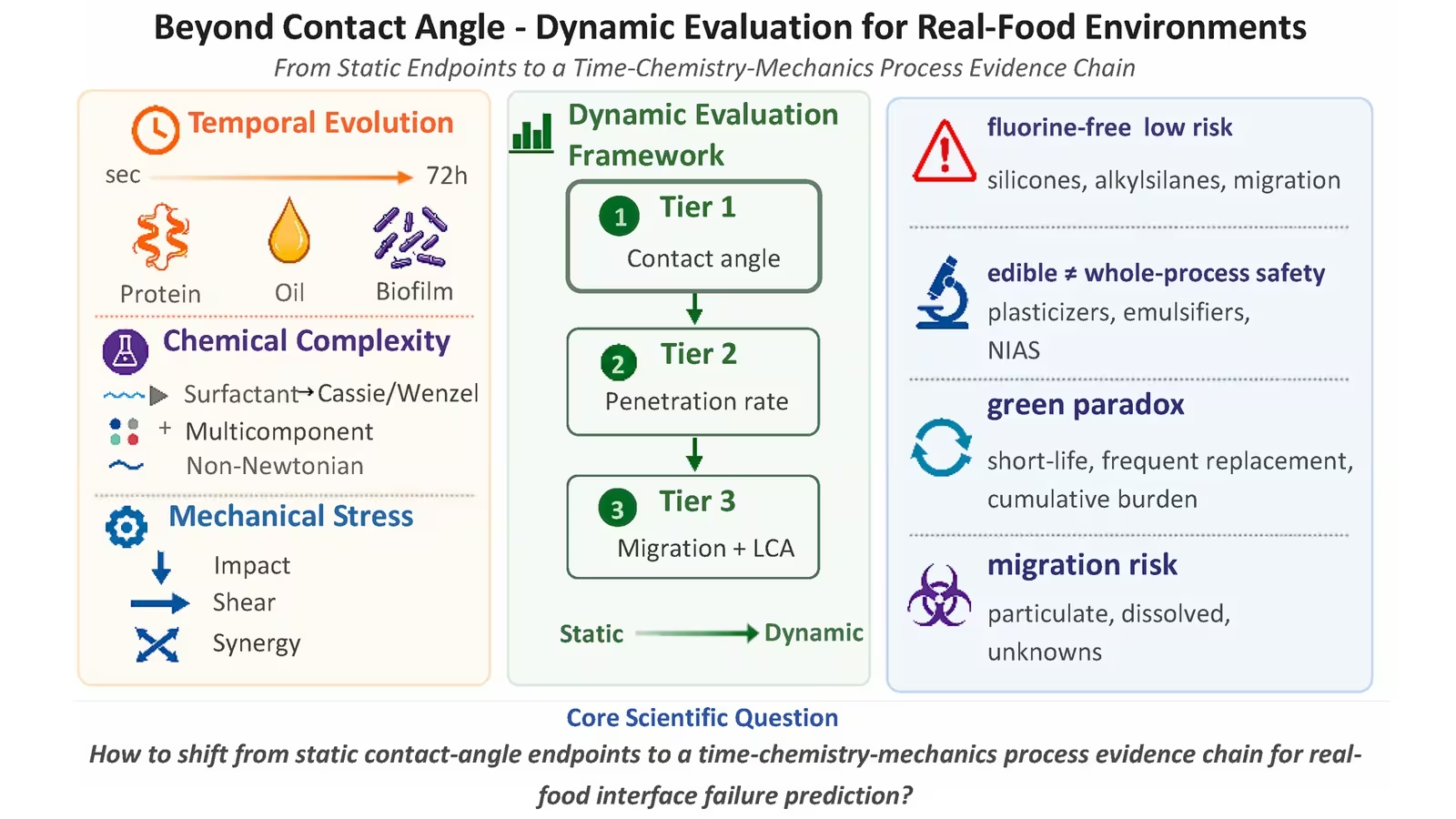
Beyond Contact Angle: Reframing the Evaluation of Super-Liquid-Repellent Materials for Real Food Environments
Super-liquid-repellent materials hold significant promise for minimizing food residue, suppressing interfacial fouling, and enhancing the cleanability of food-contact surfaces. However, prevailing evaluation paradigms-centered on static contact angle, roll-off angle, and dry abrasion-fail to forecast long-term service performance in complex food-processing environments.
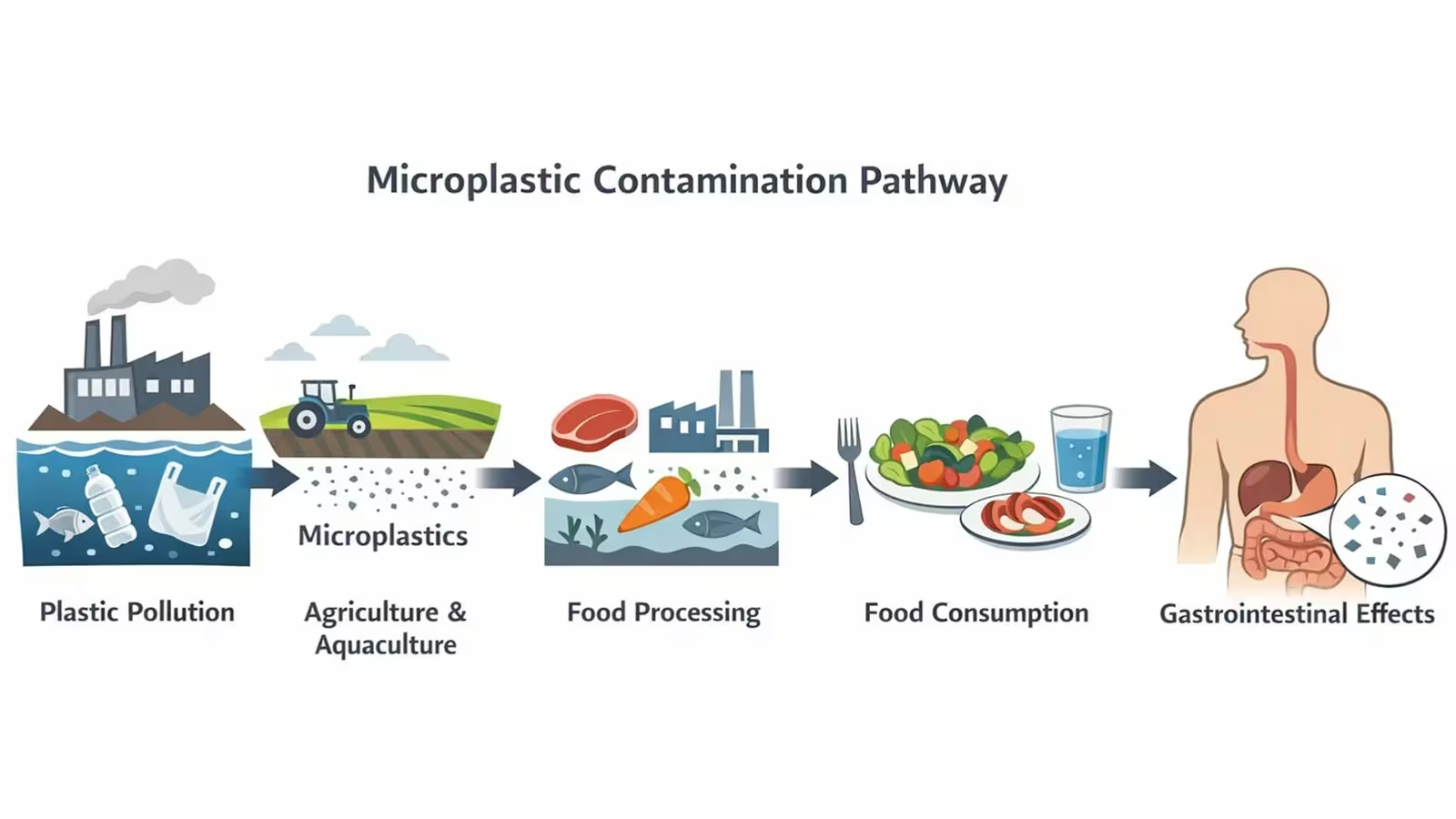
Microplastics in food production systems: Sources, exposure pathways, and gastrointestinal health effects
Microplastics (MPs) and nanoplastics (NPs) have become ubiquitous contaminants in food production systems, raising increasing concerns regarding their potential effects on gastrointestinal and systemic health. This review summarizes current evidence on the occurrence, sources, and biological effects of MPs/NPs within food production chains and their implications for the human gut.
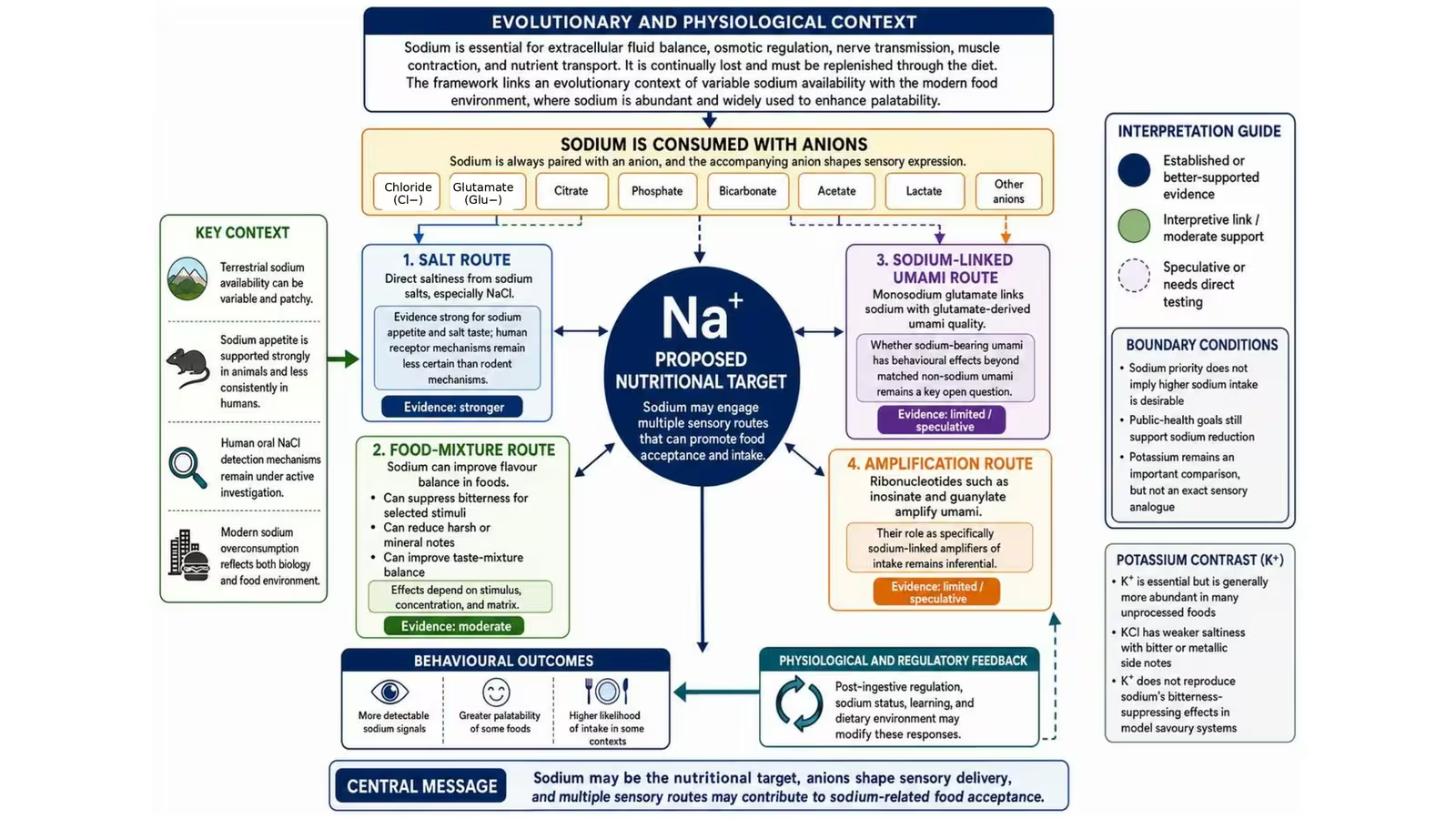
The Sodium Priority Hypothesis: A Conceptual Taste-Nutrition Framework Linking Salt Taste, Umami and Food Acceptance
Taste contributes to food selection by integrating sensory information with physiological state and prior experience. Sodium is essential, continually lost, and homeostatically regulated, yet it is abundant and frequently overconsumed in contemporary food environments.
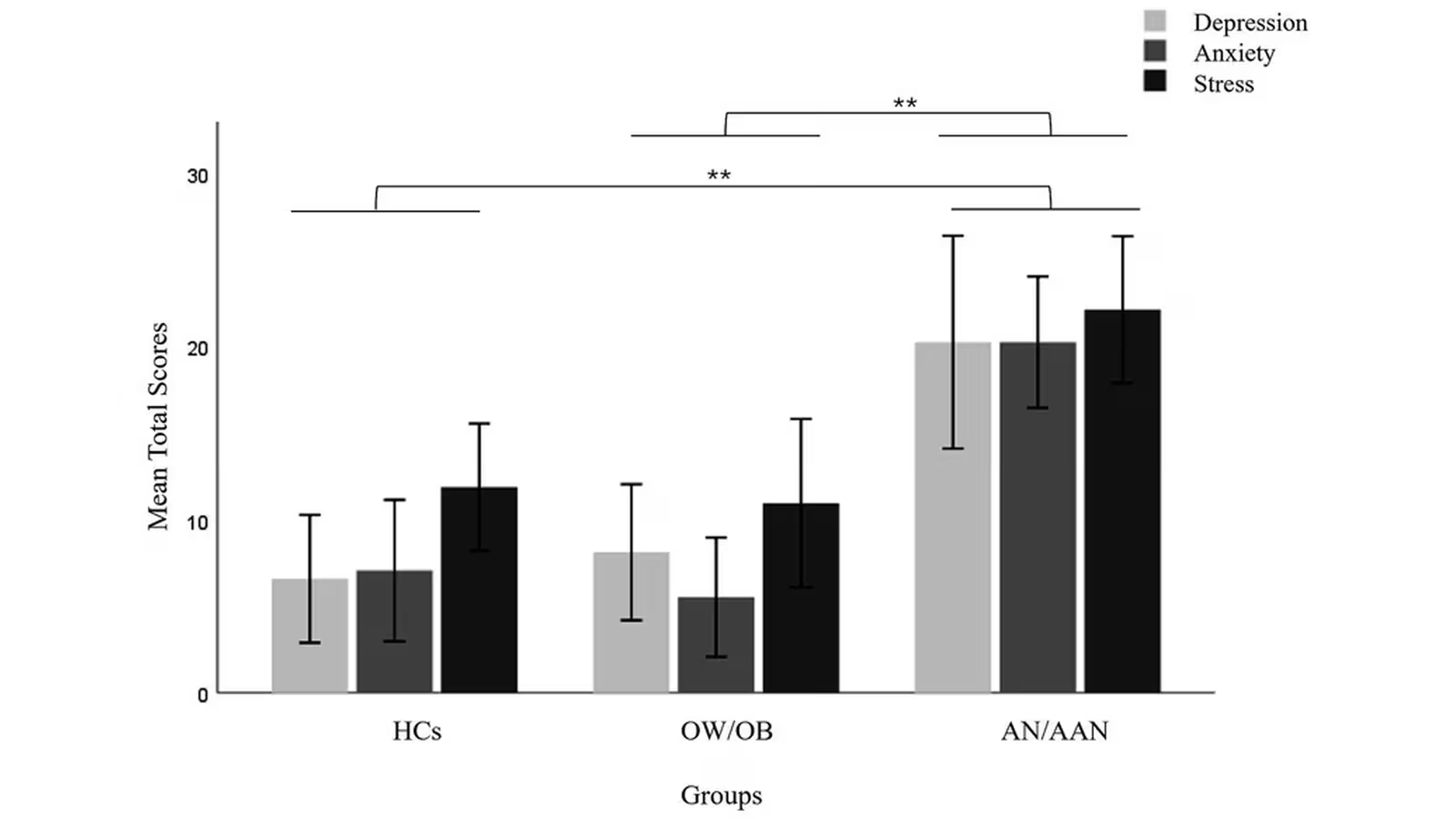
Altered late semantic processing of food stimuli in female anorexia nervosa and atypical anorexia nervosa patients
Introduction Anorexia Nervosa (AN) patients exhibit cognitive and neural disturbances during food processing, yet underlying mechanisms remain unclear. Our study investigated whether AN and Atypical AN (AAN) patients show altered neural, cognitive, and behavioral responses to high and low-calorie food stimuli, and whether these effects appear largely food-specific.
Bioavailability of Nutrients from Animal-Derived Foods Versus Other Sources of Foods: A Comprehensive Literature Review
Modern nutritional science places increasing emphasis not only on absolute nutrient content, but primarily on bioavailability and interactions with the food matrix. This paper presents a comprehensive comparison of the bioavailability of protein, vitamins (A, D, and B 12 ), and key minerals (iron, zinc, and calcium) from animal-source foods (ASF) and plant-based alternatives.
Recent Advances in Sustainable Yeast-Based Single-Cell Protein Production from Renewable Substrates Using Engineering Approaches
Yeast-based single-cell protein (SCP) has emerged as a promising sustainable protein source due to its high protein content, favorable nutritional profile, and ability to utilize renewable feedstocks. The conversion of food-processing wastes, agricultural by-products, and one-carbon substrates into protein-rich biomass supports waste valorization and circular bioeconomy strategies.