Sustainability
Agriculture, climate, waste and resilient food systems.
The Hidden Costs of Shifting Away from Flexible Packaging: Implications for Food Prices, Access, and Food Waste Among Low-Income U.S. Households
Packaging plays an important role not only in protecting food and extending shelf life but also in shaping affordability, portability, storage, and the risk of spoilage at the household level. This study examines how flexible plastic and alternative packaging formats differ in retail price and how low-income U.S. households report they would respond to packaging-related changes that could affect food access and food…
AI virtual streamers in sustainable food marketing: how expertise, interactivity, and anthropomorphism shape consumer acceptance of upcycled foods
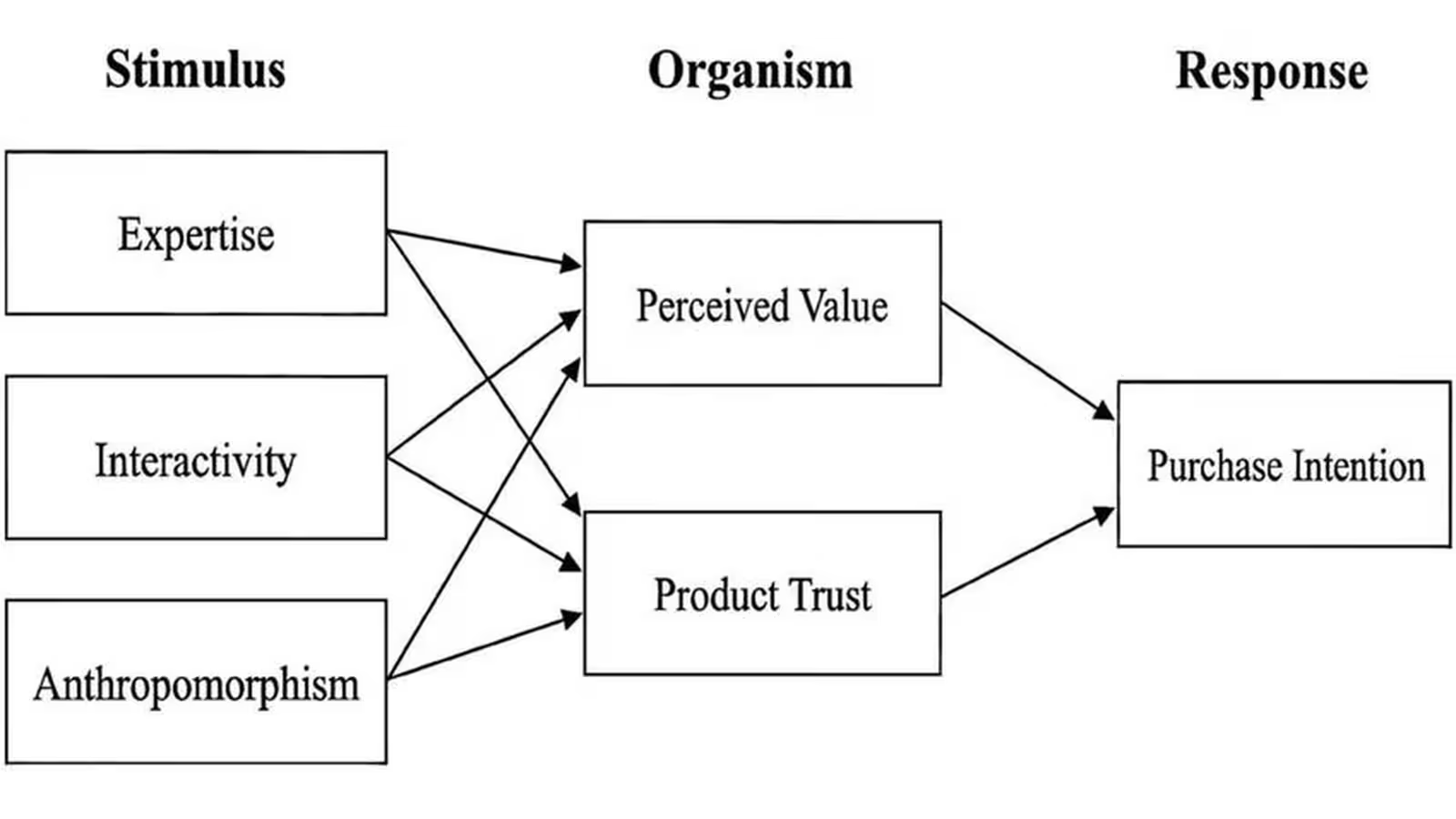
Purpose Drawing on the stimulus-organism-response (SOR) framework, this study examines how AI virtual streamer expertise, interactivity, and anthropomorphism influence consumers' purchase intention through perceived value and product trust. Methods A three-wave time-lagged survey was conducted among adult consumers in China.
Upcycling waste apples into platform chemicals: pilot-scale production of lactic and succinic acids
The conversion of renewable biological resources into value-added products is essential for supporting the transition to a sustainable bioeconomy. This study explores the use of waste apples-a by-product generated in large quantities along the fresh apple supply chain-as feedstock for the production of two industrially relevant platform chemicals: lactic acid (LA) and succinic acid (SA).
Indigenous food systems of the Garo Hills of Meghalaya: nutritional composition and potential health benefits of traditional green leafy vegetables
Indigenous food systems play a vital role in sustaining dietary diversity and nutritional security among tribal populations, yet their contributions remain inadequately documented. This study aimed to evaluate the nutritional composition and potential health benefits of traditional green leafy vegetables (GLVs) within the indigenous food system of the Garo Hills, Meghalaya.
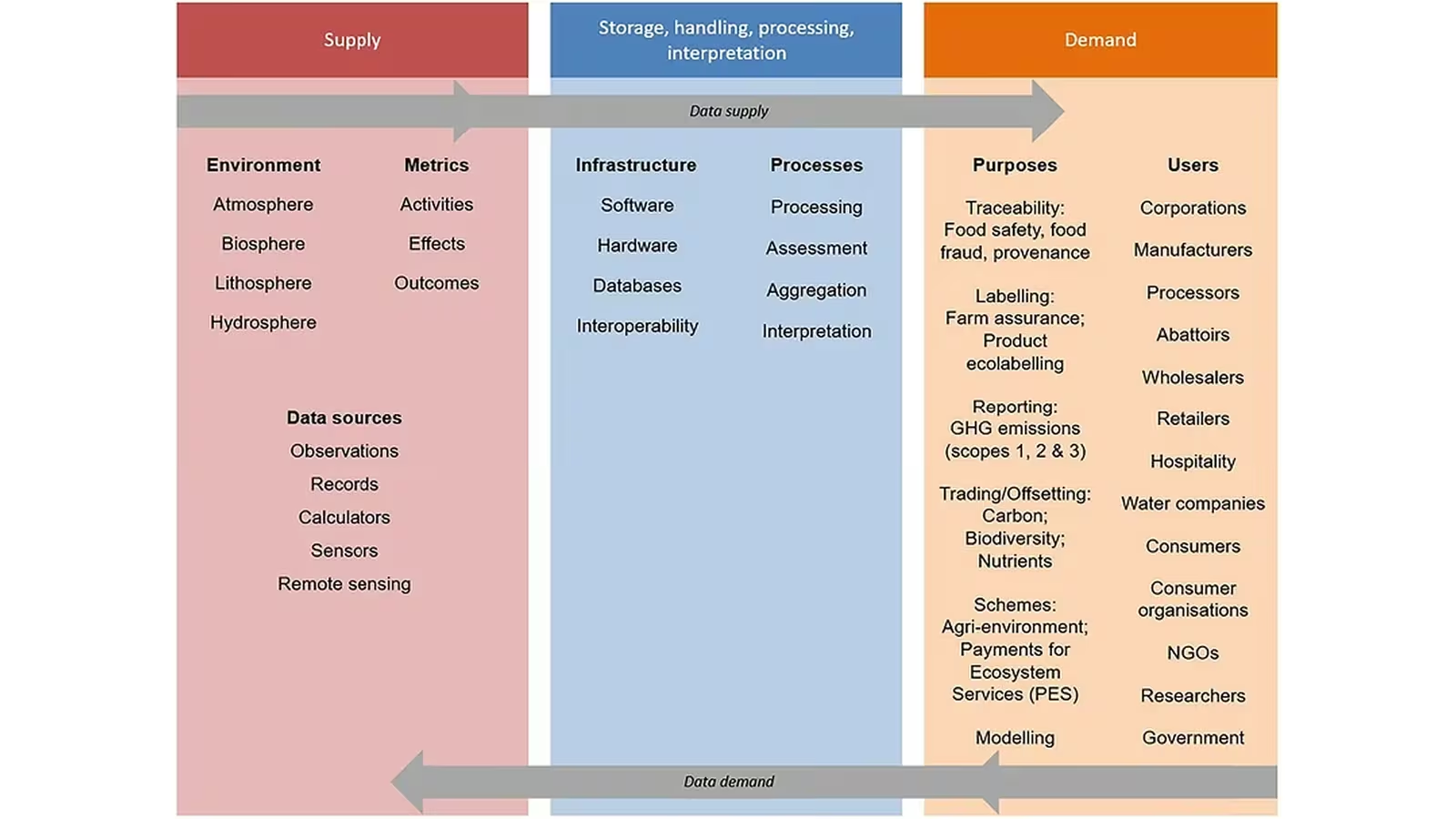
Challenges and opportunities in generating and utilizing environmental data for sustainable food systems
Modern agricultural production has detrimental effects on the environment including contributing toward current global climate and biodiversity crises. It is therefore necessary that our agroecosystems, and wider food systems, become sustainable, so that the growing population can be fed now and in the future.
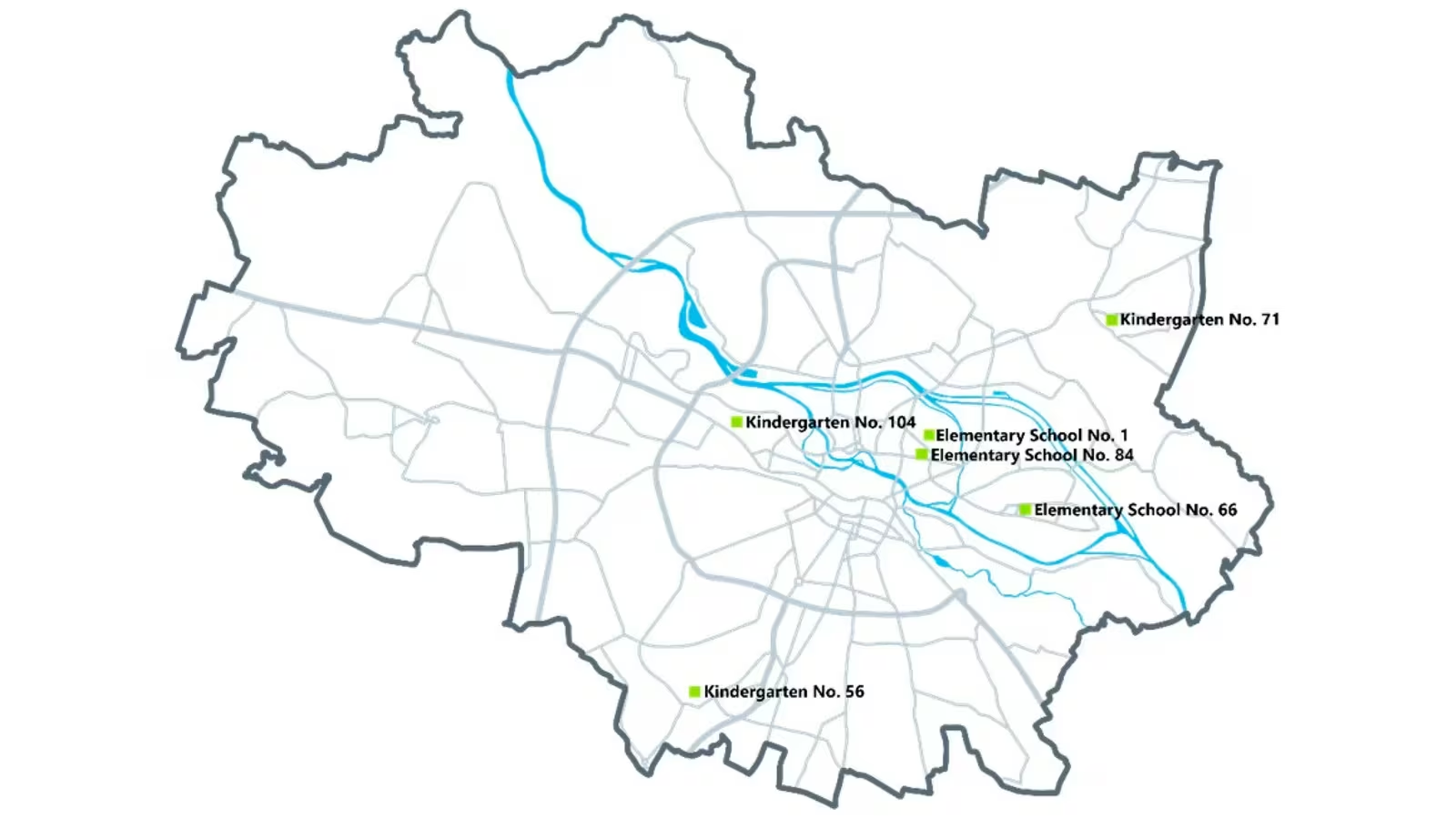
School Lunches in Poland-Planned Wastage
Food is lost and wasted at different points in the food supply chain, causing serious environmental, social and economic implications. School lunches are a significant source of food waste at the consumption stage.
Behavioural and Socioeconomic Drivers of Household Food Waste in Ireland: Evidence for Targeted Food Policy
Households have been reported to account for more than a third of food waste (FW) generated in the most developed and high-income countries. Despite this, there remains a limited understanding of the behavioural and sociodemographic factors driving household food waste (HFW) generation in most countries, including the Republic of Ireland (ROI).
Valorization of Industrial By-Products as a Source of Biopolymers and Active Compounds for the Development of Sustainable Food Packaging and Agronomic Materials
This work reviews the strategic valorization of industrial by-products as sustainable sources of biopolymers and bioactive compounds, promoting a circular economy through the efficient use of renewable resources and reducing waste generation. These strategies contribute to lowering the carbon footprint of conventional packaging and plasticulture while supporting more resilient and diverse agriculture systems.
Impact of nursery-to-fattening dietary transitions on gut microbiome composition and growth performance in black soldier fly larvae
Black soldier fly (BSF) ( Hermetia illucens ) larvae are used in large-scale bioconversion due to their capacity to convert diverse organic substrates into high-quality biomass. To improve circularity, rearing practices must be optimized, especially when nutritionally poor, low-cost substrates are used.
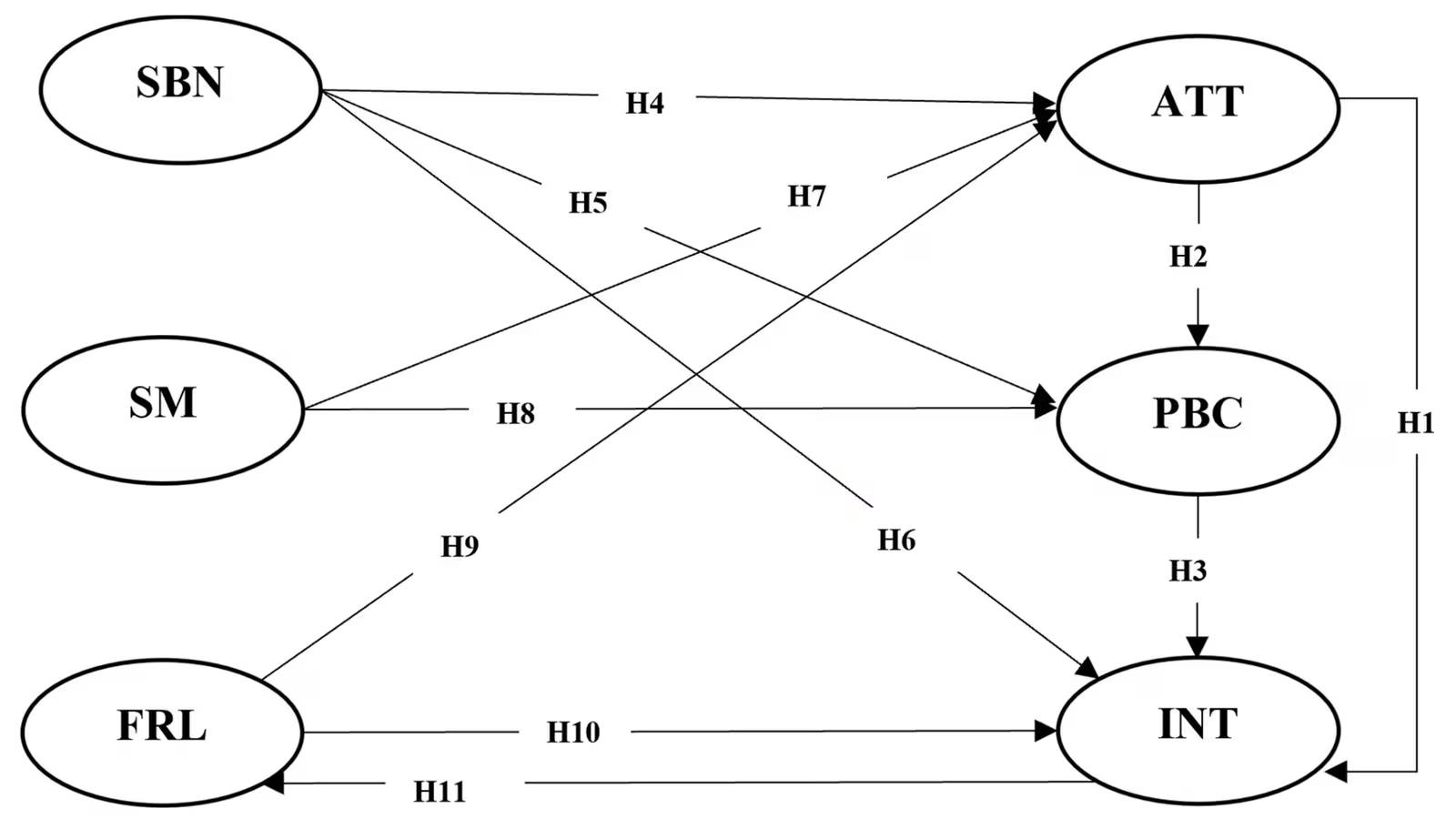
Drivers of Household Food Waste Reduction Intentions: Integrating Sustainable Marketing and Food-Related Lifestyle into the Theory of Planned Behaviors-Evidence from Tunisia
Household food waste represents a major environmental, economic and social challenge, particularly in developing countries where empirical evidence remains limited. To address this gap, this study extends the Theory of Planned Behavior (TPB) by simultaneously incorporating sustainable marketing and food-related lifestyle, providing a more comprehensive framework for explaining consumers' intentions to reduce…
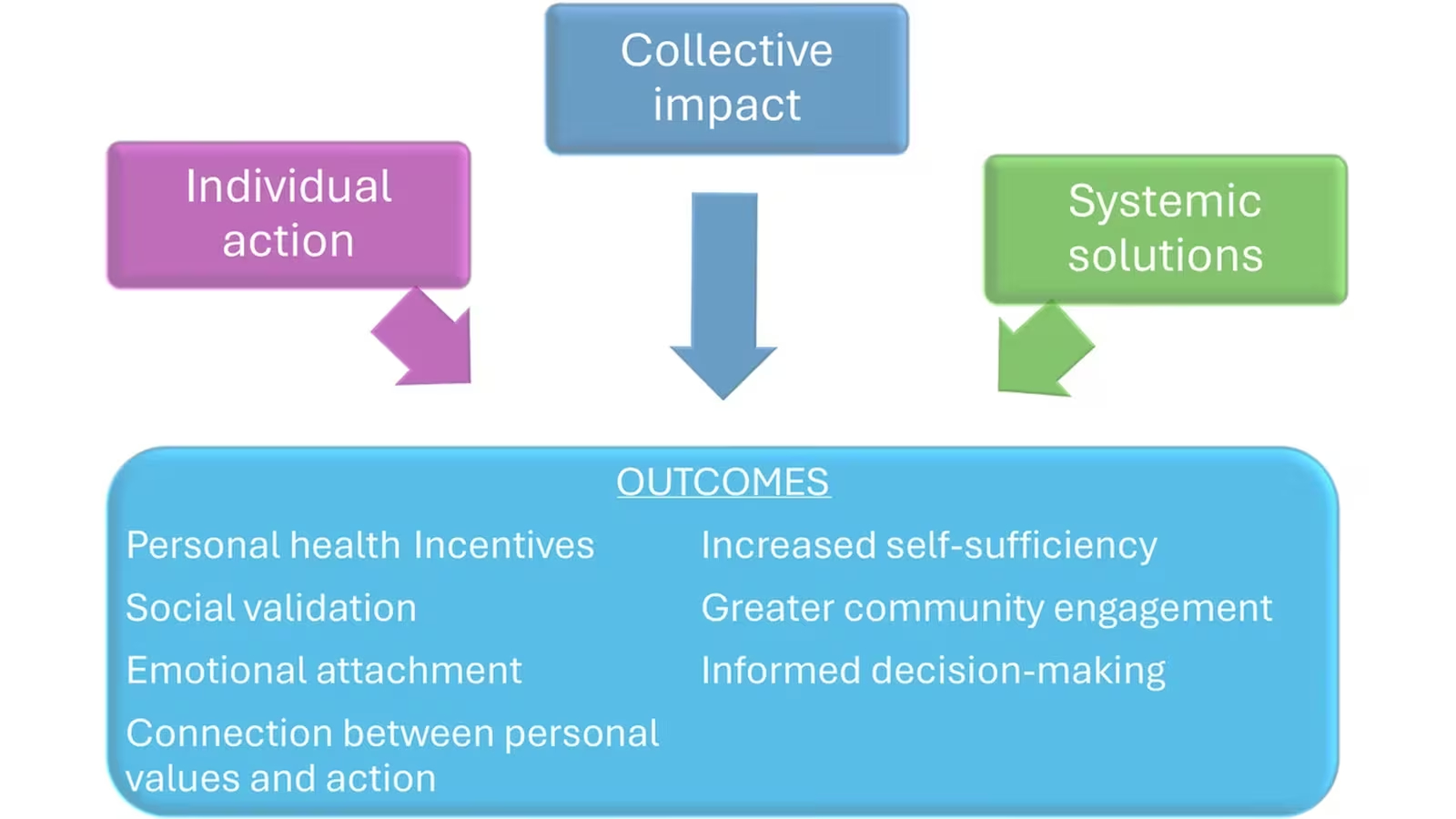
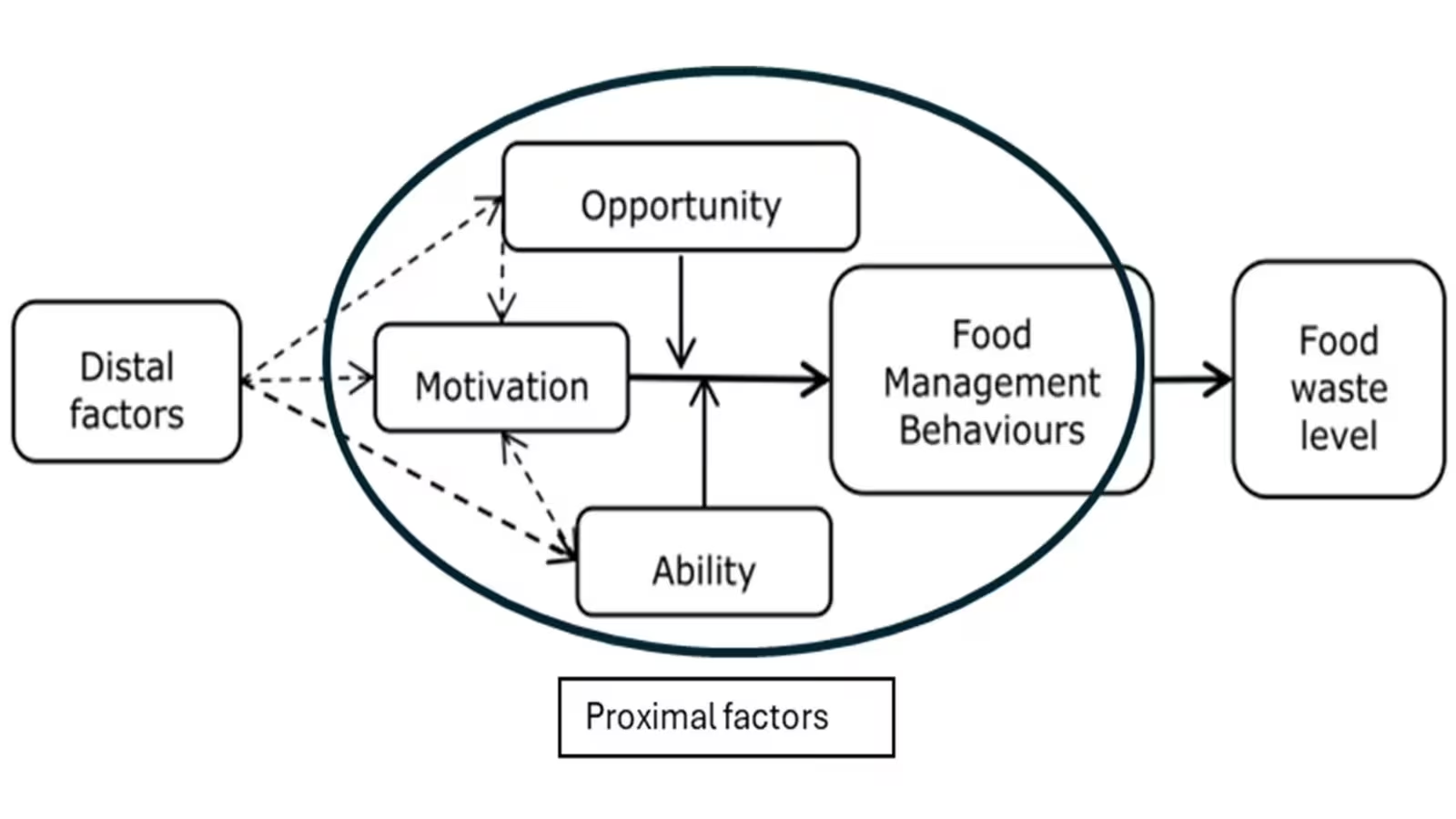
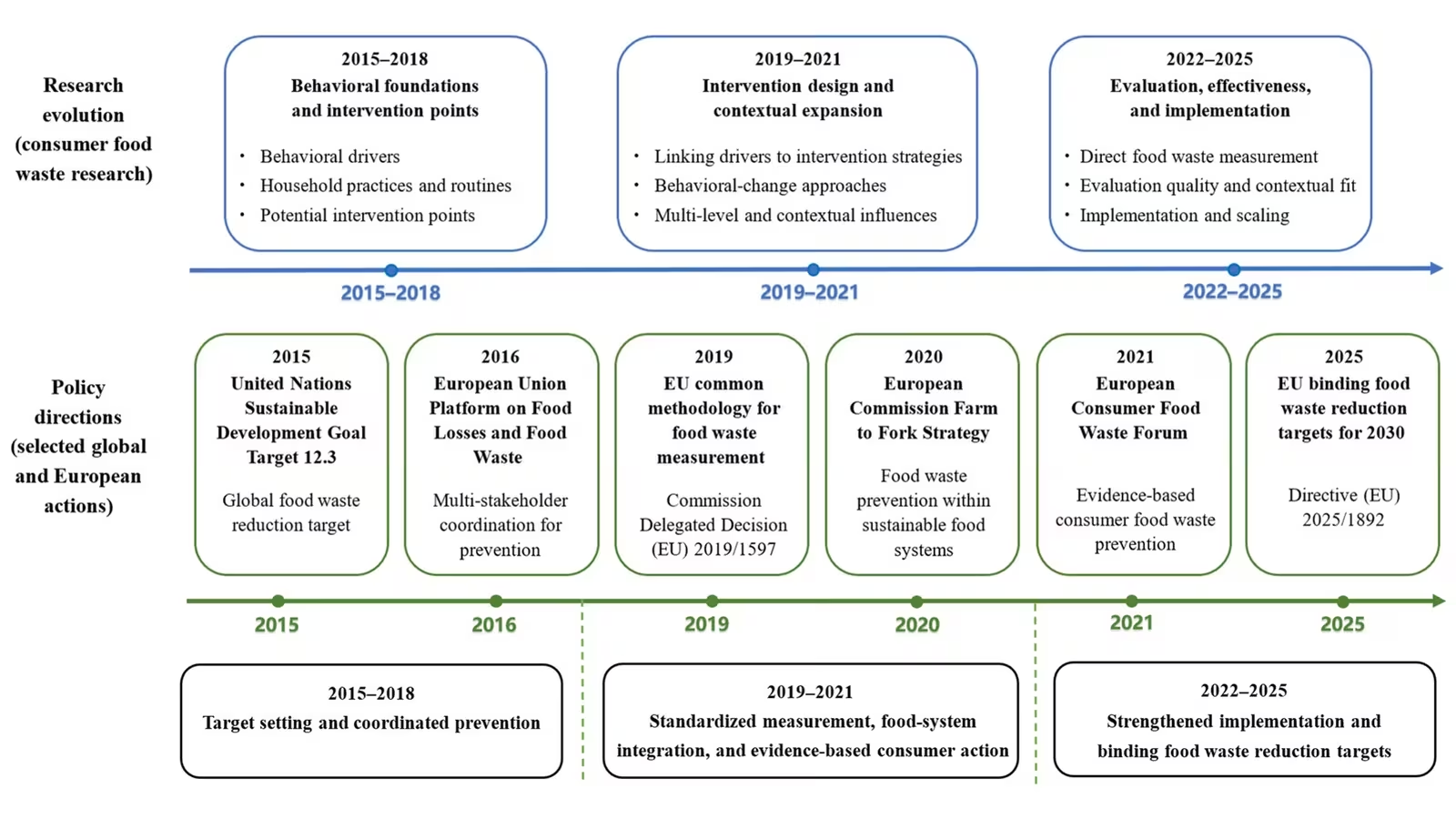
Behavioral Interventions for Consumer Food Waste Reduction: A Multi-Level Governance Perspective
Consumer food waste is a major challenge for food system sustainability and a governance problem that cannot be addressed by individual behavioral change alone. Previous reviews have examined the causes of food waste or evaluated specific intervention strategies, but less attention has been paid to how behavioral drivers, intervention strategies, and the roles of governance actors can be examined within an…
Post-Retail Application of Chitosan Coating and UV-C Irradiation: Effects on Strawberry Decay, Fungal Spoilage, and Consumer Acceptance
Food waste is a global issue with significant environmental, economic, and human health impacts. The largest share of household and retail food waste comes from fresh produce, much of which is still edible at the time of disposal.

A potential stormwater management intervention: Compost incorporation improves infiltration rate and associated soil hydro-physical properties
Urbanization associated construction operations, while necessary for infrastructure development, can result in highly disturbed and intentionally, or inadvertently, compacted soils. Compost incorporation into these disturbed soils is a relatively simple intervention that may alleviate compaction and increase important post-construction soil physical properties such as water infiltration capacity.
Food Production Index Forecasting for Sustainable Food Systems in Türkiye: A Machine Learning-Based Approach
Sustainable food systems are increasingly challenged by climate change, resource constraints, market volatility, and growing food demand, making accurate forecasting of food production essential for food security and long-term sustainability. Despite the growing use of machine learning in agricultural forecasting, studies directly modeling the Food Production Index (FPI) within a sustainable food systems framework…
From intention-behavior gap to dietary affordances: an active inference account of sustainable eating
Faced with the urgent challenges of climate change and environmental degradation, governments, and frameworks like the EAT-Lancet Commission advocate for sustainable diets. Yet a persistent gap remains between individuals' intentions to eat sustainably and their actual behavior.
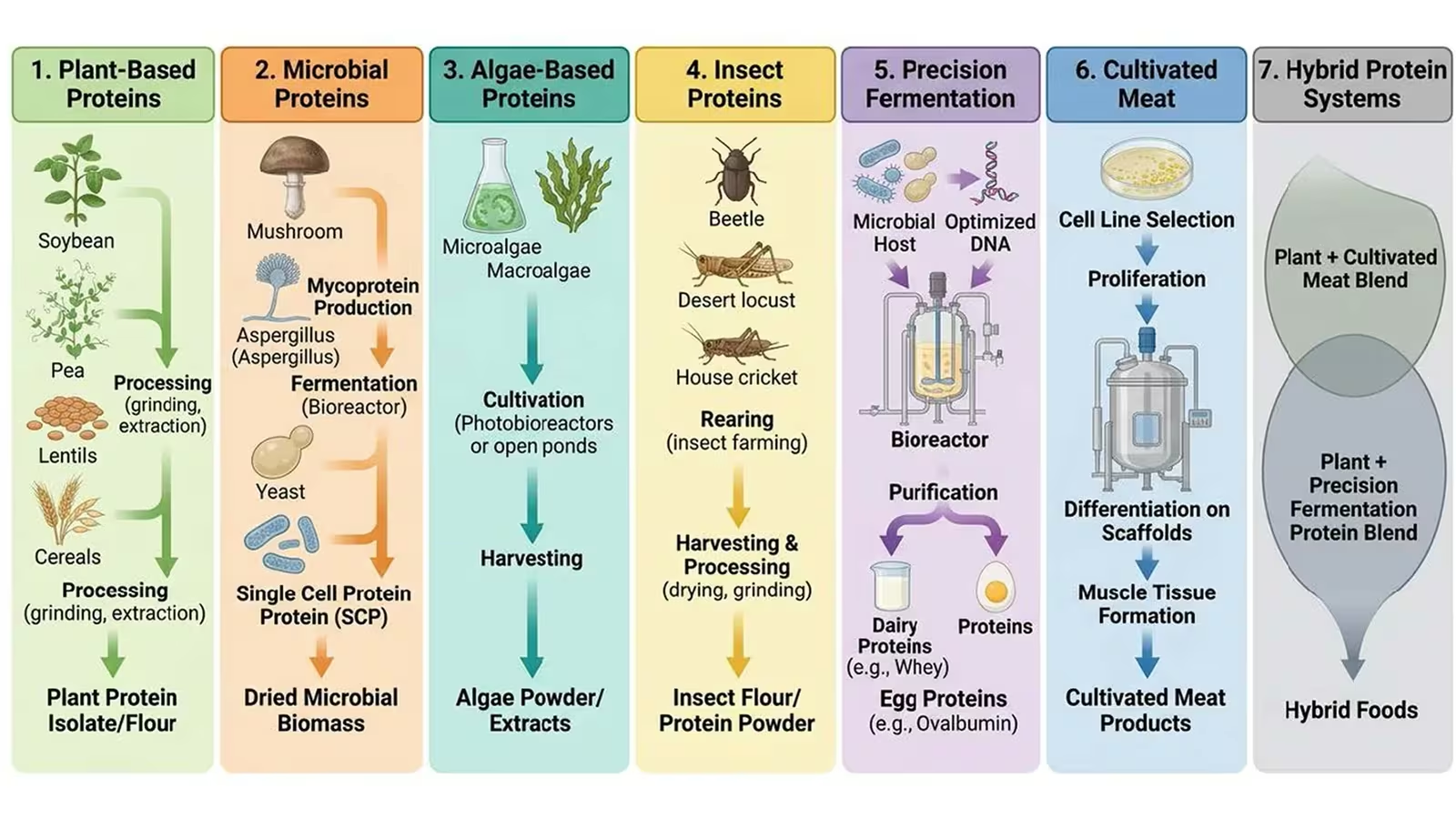
Sustainable proteins for future food systems: nutritional quality, environmental trade-offs, and consumer acceptance
The global food system is under growing strain to deliver sufficient high-quality protein for a rising population, while curbing environmental degradation, tackling climate change, and maintaining long-term food security. Conventional livestock production is a major source of greenhouse gas emissions, excessive land and water use, and biodiversity loss, which has boosted demand for sustainable alternative proteins…