Business
Companies, capital and the economics of food and beverage.

Processed Meats as Delivery Systems for Nutraceuticals: Technological Advances, Bioavailability, Health Benefits, and Future Perspectives
Processed meat products have traditionally been developed to improve shelf life, microbial safety, and sensory quality; however, recent progress in food technology has expanded their role as potential delivery systems for nutraceuticals. The unique physicochemical characteristics of meat product matrices, including protein gel structure, lipid emulsions, and hydration capacity, offer an effective environment for…

Modulating rice starch physicochemical and in vitro digestive properties with ball-milled pea protein isolate: Effect of ball-milling time
Strengthening starch-protein intermolecular interactions is critical for modulating the physicochemical properties of starch via proteins. In this study, pea protein isolate (PPI) was pretreated by ball-milling for different durations (0, 10, 20, 30, 40 min), and the effects of milled PPI on the physicochemical properties and in vitro digestibility of rice starch (RS) were investigated.
Integration of Laccase-like Nanozymes and Sensing Strategies for Food Quality and Safety Monitoring
Laccase-like nanozymes (LLNs) are a class of functional nanomaterials inspired by natural laccases. Due to their excellent catalytic performance, structural tunability, and superior stability, LLNs have emerged as promising tools for food quality and safety monitoring.

Managing snacking behaviors through energy density, portion control, sensory properties, and packaging
Between-meal snacks contribute >20% of daily energy intakes to typical Western diets. Most snacks are both energy-dense and palatable.

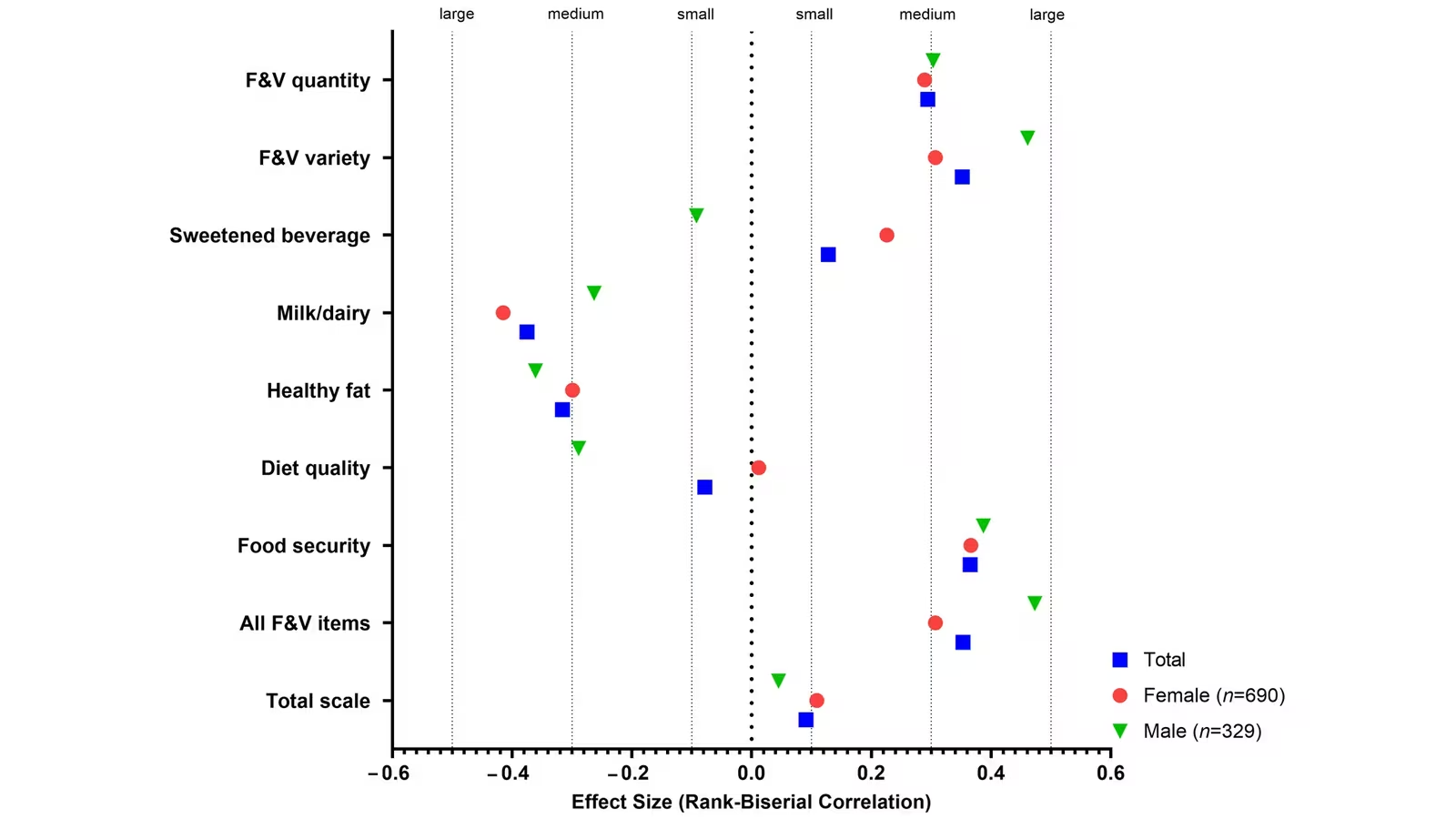
Post-Pandemic vs. Pandemic Food Behaviors in a National Sample of Polish Adolescents: The PLACE-19 Study
Background/Objectives : Food behaviors in the general population and among adolescents during the COVID-19 pandemic have been well documented through numerous comparisons with the pre-pandemic period, but the post-pandemic situation has not yet been sufficiently described. The aim of this study was to compare post-pandemic vs. pandemic food behaviors in a national sample of Polish adolescents within the framework of…
Comparative Optical Response of DNA-Natural and Synthetic Food Colorant Systems
Biopolymers functionalized with chromophores exhibit interesting optical properties with a high potential for applications in photonics. Quinoline yellow (QY), sunset yellow (SY) and riboflavin (RB) are commonly used as colorants in the food industry, which makes them suitable candidates for the development and manufacture of environmentally friendly devices for integrated photonics.
Emulsion Gels Stabilized Using Sweet Almond Expeller Globulin Modified by Ultrasonication Assisted with Chlorogenic Acid Conjugation: Preparation, Characterization, Stability, and Applications in Curcumin
Almond expeller is high in protein content and produced in large quantities every year; however, its utilization in the food industry remains limited. To provide new strategies to enhance the performance of protein-based emulsion gels and expand the applications of sweet almond expeller globulin (SAEG) in the food industry, emulsion gels were formed using sweet almond expeller globulin modified by ultrasonication…

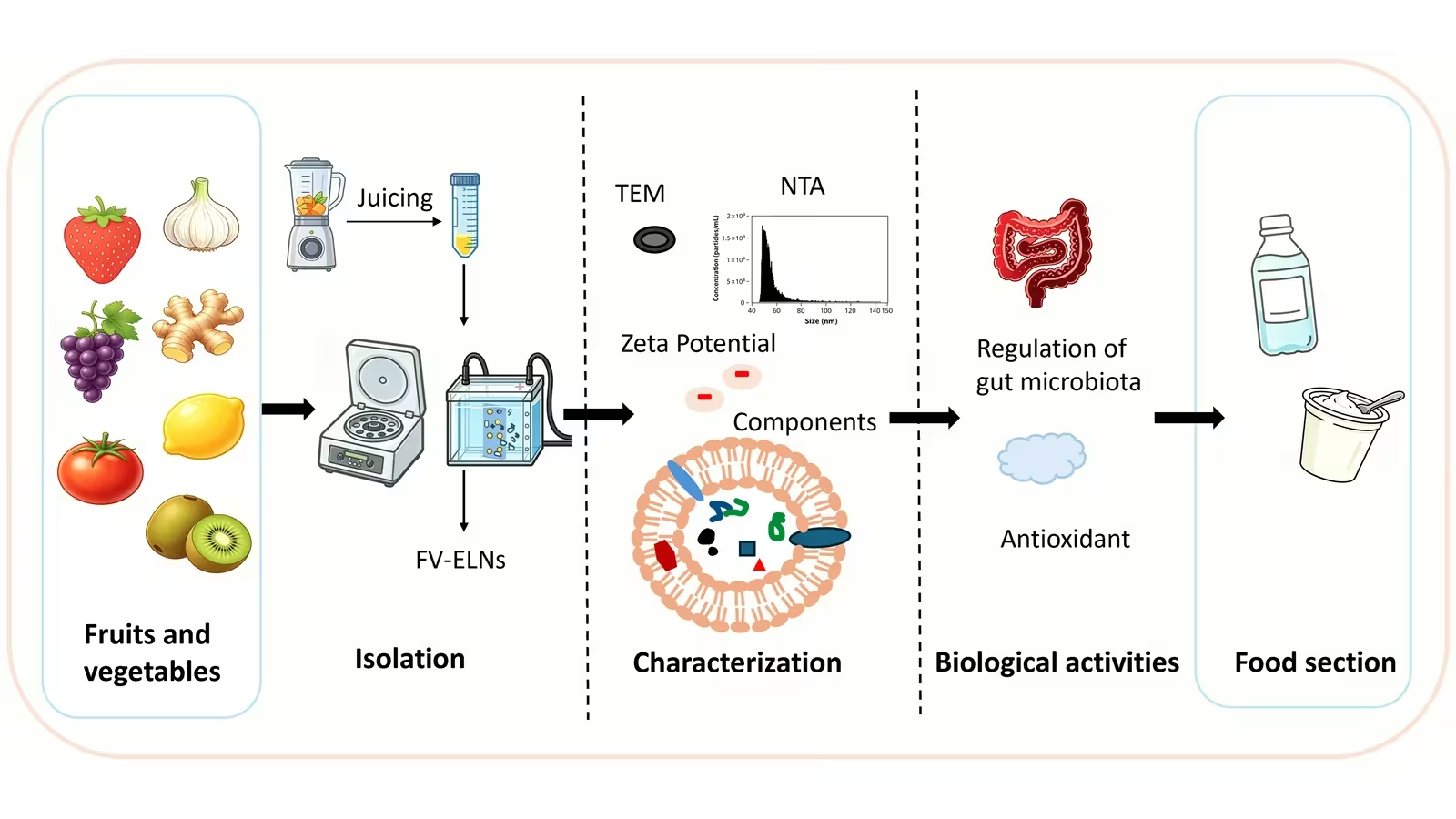
Fruit- and Vegetable-Derived Exosome-like Nanovesicles: A Review
Fruit- and vegetable-derived exosome-like nanovesicles (FV-ELNs) are nanovesicles characterized by a lipid bilayer membrane that encloses a diverse array of biologically active constituents, including proteins, lipids, nucleic acids, and small-molecule bioactive compounds. FV-ELNs have attracted considerable research interest in recent years due to their favorable biocompatibility and natural origin.
Consumer Attitudes, Knowledge, and Consumption Behaviours Toward Game Meat in Romania: Evidence from an Online Convenience Sample
Game meat is increasingly discussed as a nutrient-rich alternative source of animal protein, although its consumption remains constrained by limited availability, consumer familiarity, and practical or perceptual barriers. This study assessed attitudes, knowledge, perceptions, and consumption behaviours related to game meat among respondents recruited through an online convenience survey in Romania.
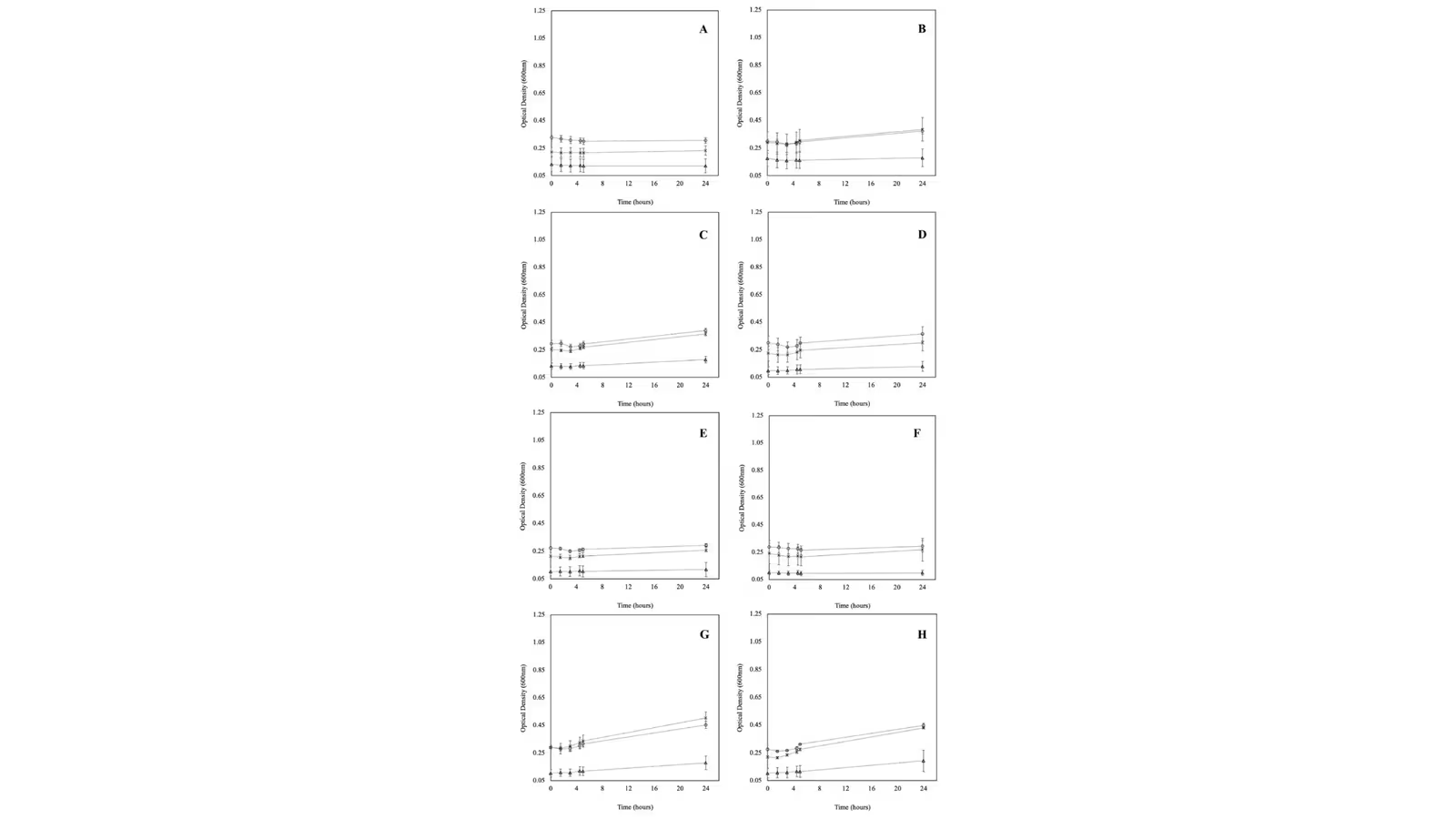
Potentially Probiotic Lactic Acid Bacteria Strains into Italian-Style Salami: Effects on Ripening and Storage Parameters
This study evaluated the effects of incorporating potential probiotic strains into Italian-style salami. Three lactic acid bacteria (LAB) strains were tested, including the commercial strain Pediococcus pentosaceus co-cultured with Staphylococcus xylosus (C), as well as the LAB strains Lacticaseibacillus paracasei (GV17), Lactococcus lactis (GV103), and Pediococcus pentosaceus (PP).
Melon Seed Oils as Rich Sources of Linoleic and Oleic Acids: An Upcycling Approach for Food Applications
Melon ( Cucumis melo L .) is a fruit from the Cucurbitaceae family that is very popular due to its pleasant taste. The fruit is used in industry to produce juices and pulps, and the seeds are generally discarded as waste.
Anthocyanin Fluorescence for Monitoring Oxidation of the Chokeberry Fruit During Drying and Storage of Fruit Lyophilizates
The appearance of the "oxidation band" in the fluorescence spectrum of anthocyanins is an indicator of oxidative deterioration of anthocyanins and can be a useful preliminary index of food freshness. Chokeberry ( Aronia melanocarpa ) fruit, rich in anthocyanins, can be subject to drying or lyophilization for domestic or industrial applications.
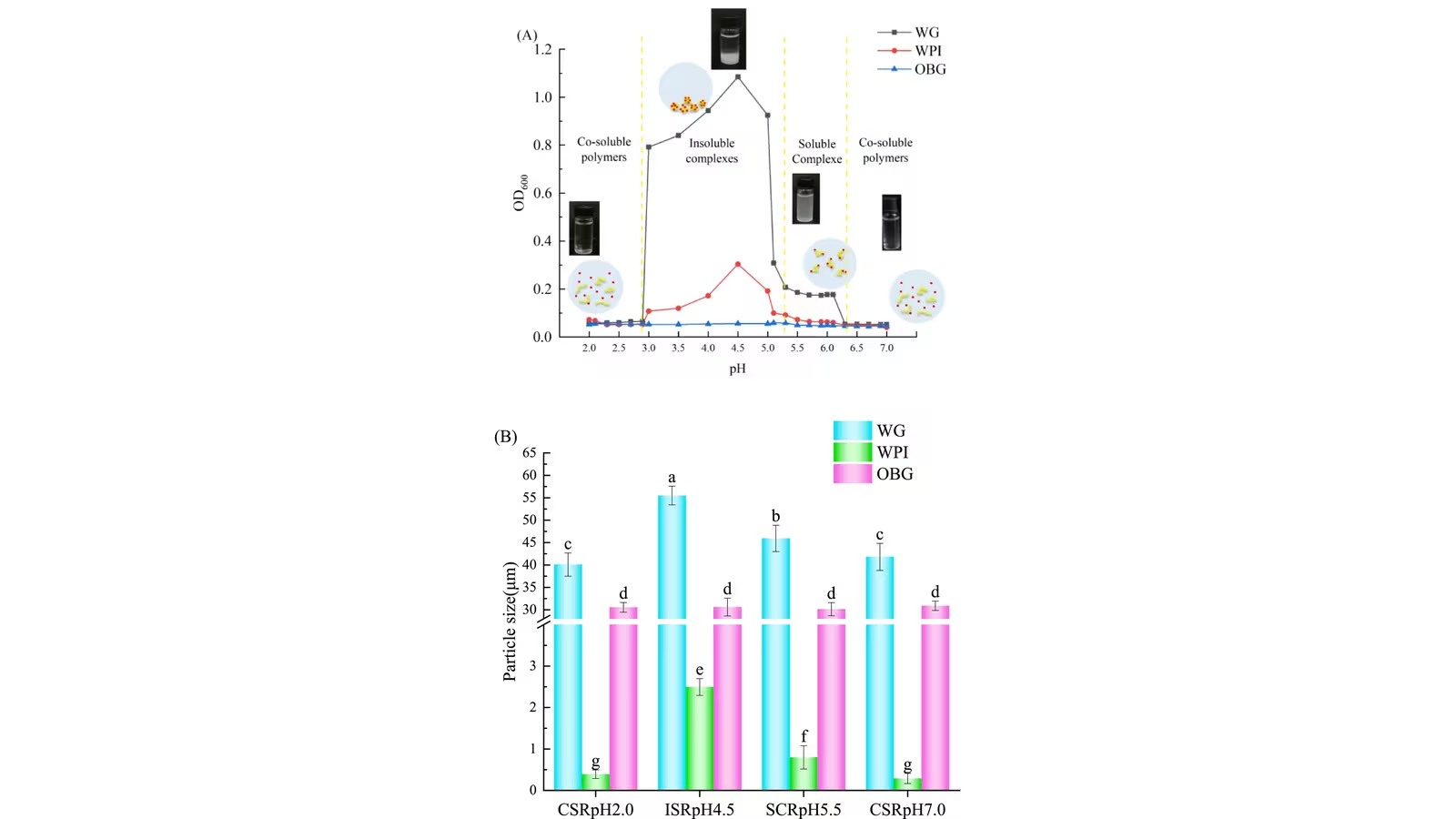
Insight into functionality and bioactive properties of whey protein/beta-glucan complex discrepancy during different pH-induced phase transition
This study aimed to elucidate the differences in functional and bioactive properties of whey protein isolate(WPI)-oat beta-glucan(OBG) mixed system during pH-induced phase transition. Four representative phase regions were identified, including co-soluble region at pH 2.0 (CSRpH2.0), soluble complex region at pH5.5 (SCRpH5.5), and insoluble complex region at pH 4.5 (ISRpH4.5) and co-soluble region at pH 7.0…
Natural Pigments and Cyclodextrins: Overview on a Synergistic Approach to Encapsulation
The growing demand for natural dyes in the food industry has stimulated research into strategies aimed at improving their stability, solubility, and bioavailability. This review examines the synergistic use of cyclodextrins (CDs) as encapsulating agents for natural pigments, highlighting their ability to form inclusion complexes that protect pigments from various external factors.

Iron Content and Nutritional Quality of Commercial Complementary Baby Foods Available in Australia
Background Optimal nutrition in infancy supports growth, development and long-term health. Commercial complementary foods are widely used in Australia, yet concerns persist regarding their iron, sugar and sodium content.

Production and Characterization of Xanthan Gum from Low-Quality Dates of Different Cultivars as a Fermentation Substrate
Approximately 5-33% of the dates growing in Saudi Arabia are downgraded to low-quality fruit that either goes to waste or is used to make animal feed, which is considered a potential feedstock abundant in sugar. By a thorough comparative study, this study evaluated the up-cycling of low-quality Saudi dates (Wannana, Shagra, Sabbaka, Barhi, Saqai, Khalas and Sukkari) as fermentation substrates for xanthan gum…