Silver nanoparticles (AgNPs) are widely studied as functional nanomaterials due to their exceptional antimicrobial properties, allowing their application not only in food packaging but also in medicine, cosmetics, and other biomedical and industrial fields. In recent years, special attention has been paid to "green" synthesis methods, in which AgNPs are obtained using by-products of fruit, berry, and vegetable production, such as peels, pomace, and seed waste.
What the research examined
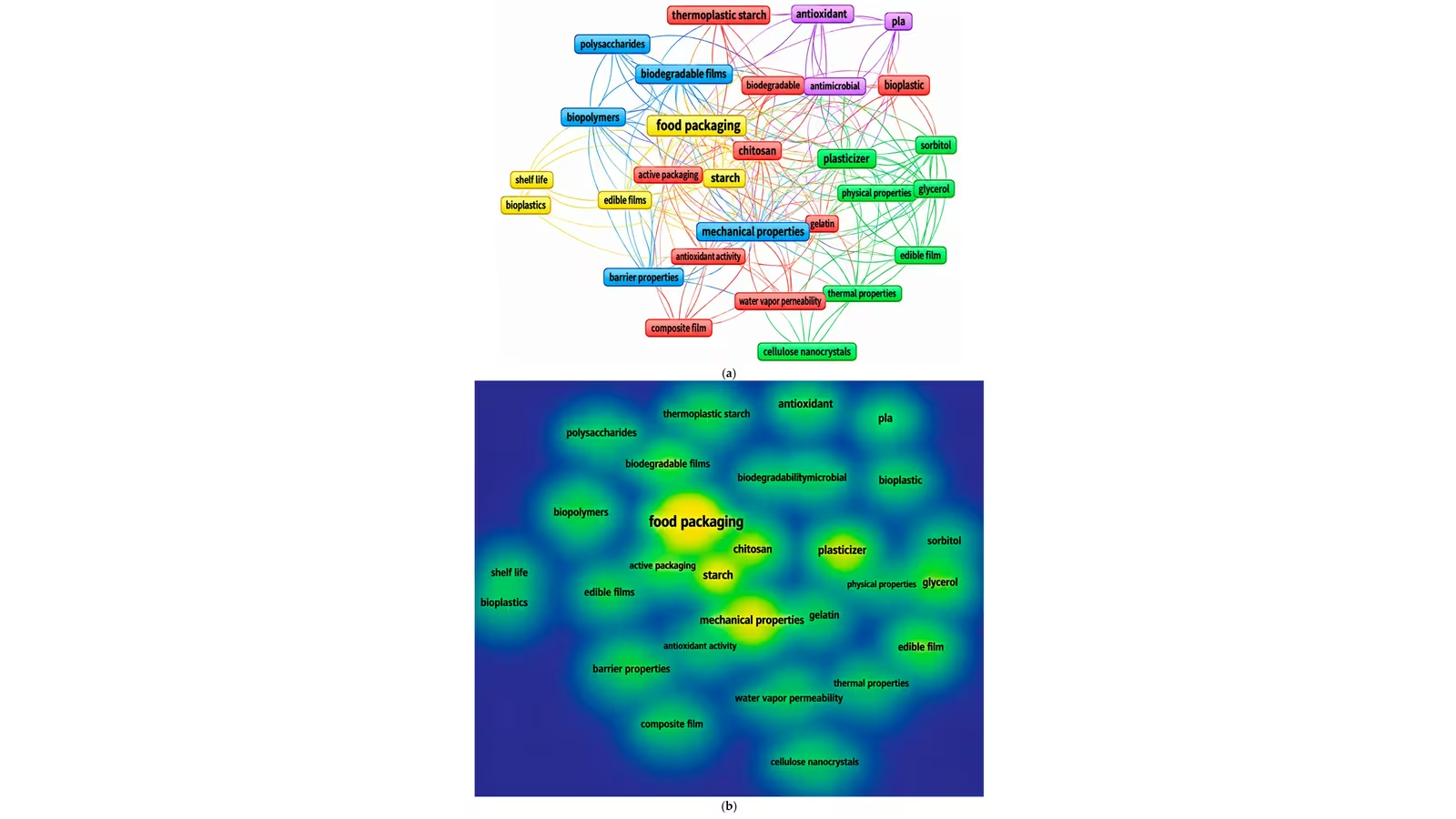
These bioactive extracts act as natural reducing and stabilizing agents, allowing the production of more environmentally friendly, less toxic nanoparticles while contributing to reducing the waste of limited resources and implementing the principles of the circular economy. AgNPs synthesized in this way are successfully integrated into biopolymeric matrices (e.g., chitosan, starch, alginates), forming functional nanocomposite films and coatings.
What the findings mean
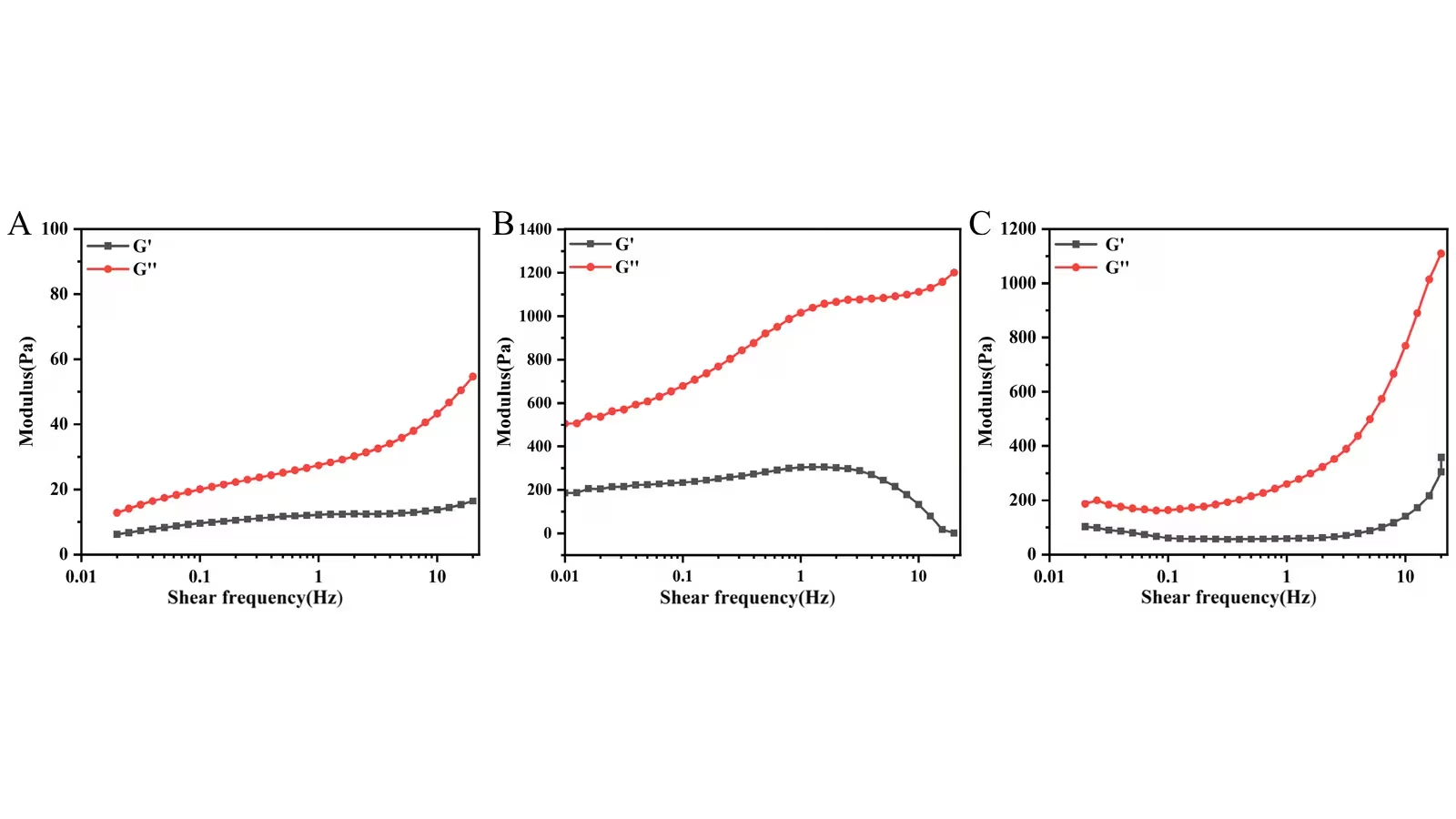
These systems exhibit improved mechanical and barrier properties, increased thermal stability, and enhanced antimicrobial activity. The biopolymeric matrix also allows for the control of silver ion release, reducing potential cytotoxic effects and enhancing safety in various applications. In summary, these sustainable nanocomposite systems are promising in various fields, including food technology, medicine, and cosmetics, contributing to more efficient resource utilization and environmental protection.
Study authors: Sakalauskienė V, Zehra SH, Balciunaitiene A, Viskelis J.. This report is based on the openly licensed abstract and source record and has been formatted for newsroom reading.
Nanomaterials (Basel, Switzerland)
https://europepmc.org/articles/PMC13610387This report is prepared from the public source listed above for news and industry-information purposes. Original research, text, trademarks and images remain with their authors and rights holders; open material is used under the licence identified by its source. Rights holders may contact rights@asiafoodtimes.com with evidence of ownership, and verified concerns will be corrected or removed promptly. This article is not investment, legal, medical or nutrition advice.