Ingredients
The materials, flavours and formulations behind the next product cycle.
Effects of Colchicine Treatment on Bioactive Compounds and Structural Characteristics of the Epidermis and Cortex of Edible Cactus [ Opuntia ficus-indica (L.) Mill.] Cladodes at Different Maturity Stages
This study investigated the effects of colchicine treatment on phenolic and flavonoid profiles, organic acids, antioxidant activities, and structural characteristics of the epidermis and cortex of edible cactus [ Opuntia ficus-indica (L.) Mill.] cladodes at different maturity stages (1, 3, and 6 months). Cladodes were treated with 0, 0.5, and 1.0% colchicine for 24 h prior to cultivation.
Optimization and Metabolomic Profiling of Wolffia globosa Extract Reveal Multitarget Neuroprotective Activity Against Alzheimer's Disease with In Vitro, In Silico, and In Vivo Validation
Wolffia globosa , the world's smallest flowering plant, is a sustainable protein- and phytochemical-rich food source with emerging neuroprotective potential. This study presents the first comprehensive characterization that integrates extraction optimization, multitarget bioactivity profiling, drug synergy assessment, high-resolution metabolomics, molecular docking, and in vivo validation in Drosophila melanogaster…
Lonicerae Japonicae Flos as a Dietary Natural Product: Bioactive Constituents, Gut Health Modulation, and Therapeutic Potential in Ulcerative Colitis and Colorectal Cancer
Lonicerae Japonicae Flos (LJF), a traditional Chinese herb with applications in both medicine and nutrition, has emerged as a promising functional food ingredient owing to its diverse bioactive constituents and associated health-promoting properties. This review systematically describes its botany, phytochemistry, and pharmacological activities, with particular emphasis on the roles of its principal constituents in…
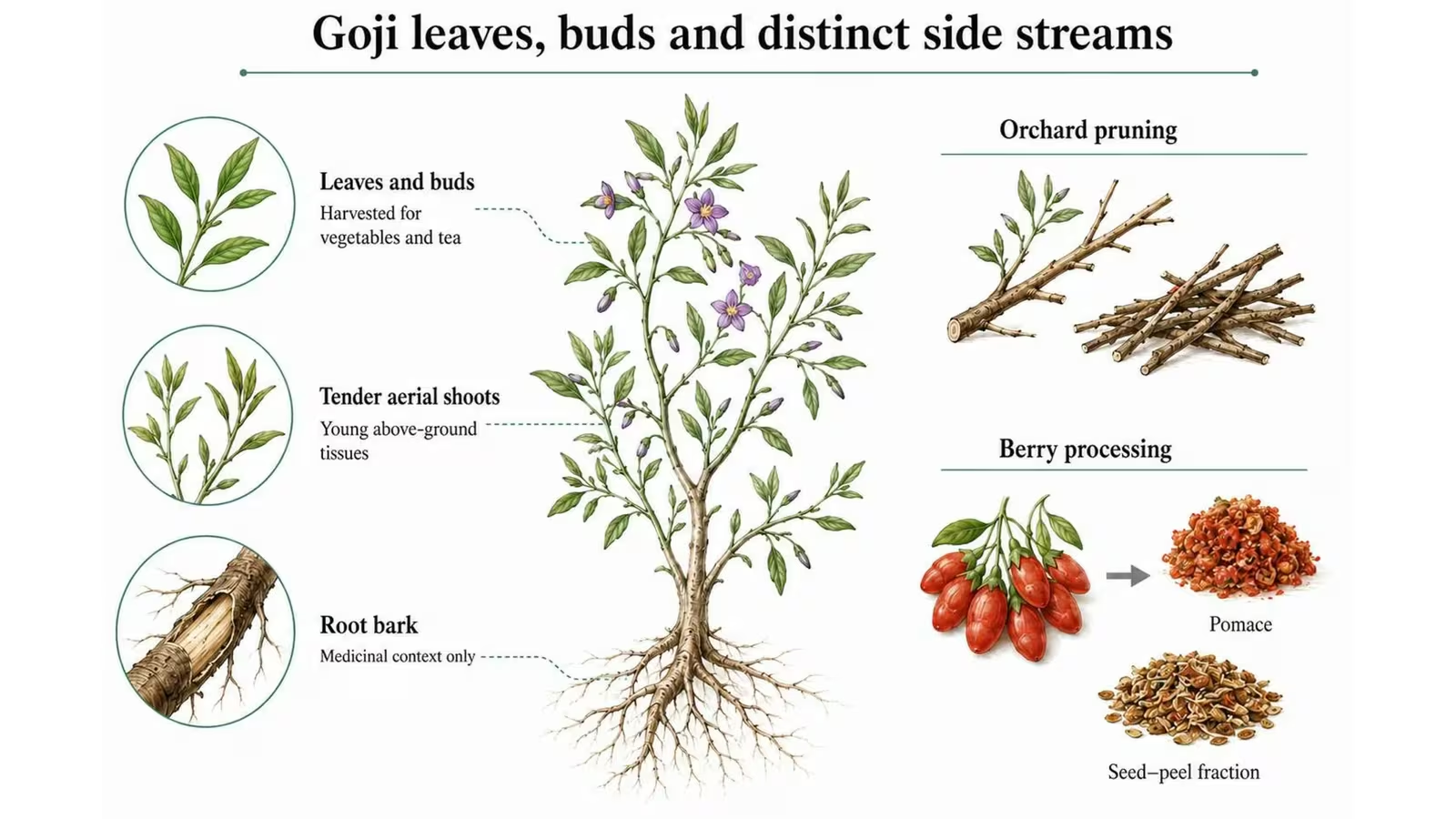
Goji Leaves and Buds as Food Resources: Composition, Processing, Safety, and Links to Side-Stream Valorization
Goji leaves and buds are used as vegetables and teas, but their composition and behavior in formulated foods differ from those of the berries. This critical narrative review examines their phytochemistry, processing, food applications, digestion, and safety, with selected comparisons to berry-processing residues and orchard biomass.
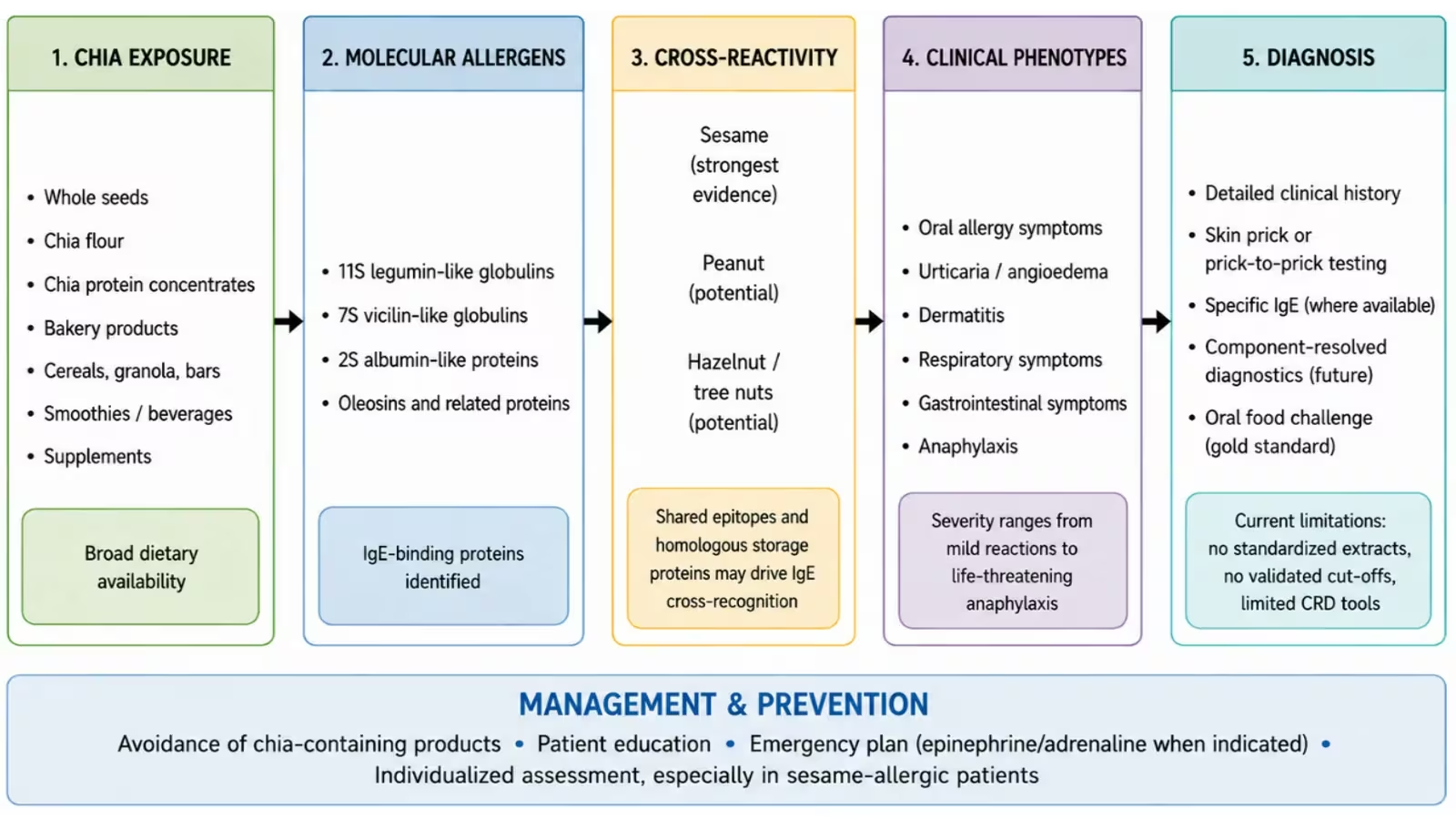
Chia Seed Allergy: Emerging Clinical Evidence, Molecular Allergens, and the Unresolved Question of Cross-Reactivity
Chia seed ( Salvia hispanica L.) is increasingly incorporated into contemporary foods, yet its allergenic potential remains poorly characterized. Published clinical evidence is limited to a small number of case reports, conference reports, and one case series describing immediate IgE-mediated reactions, cutaneous manifestations, and anaphylaxis.
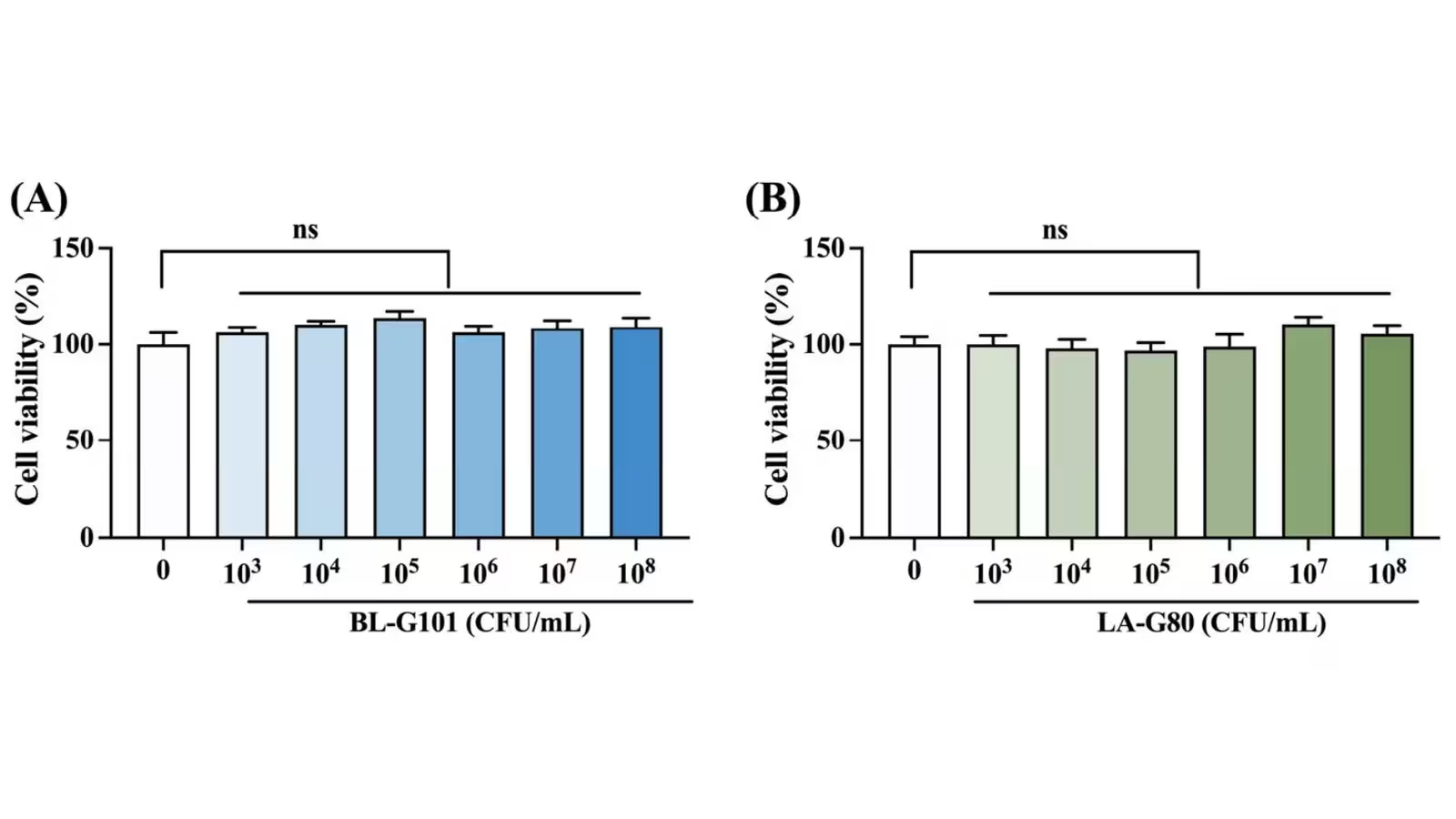
Bifidobacterium animalis subsp. lactis BL-G101 Protects Against UVB-Induced Photoaging in HS68 Dermal Fibroblasts
Background : Skin photoaging is primarily caused by prolonged ultraviolet (UV) exposure, which manifests as dryness and wrinkle formation. Recent studies highlight that beneficial microorganisms have garnered considerable attention for their emerging role in modulating host health, especially in skin photoaging.
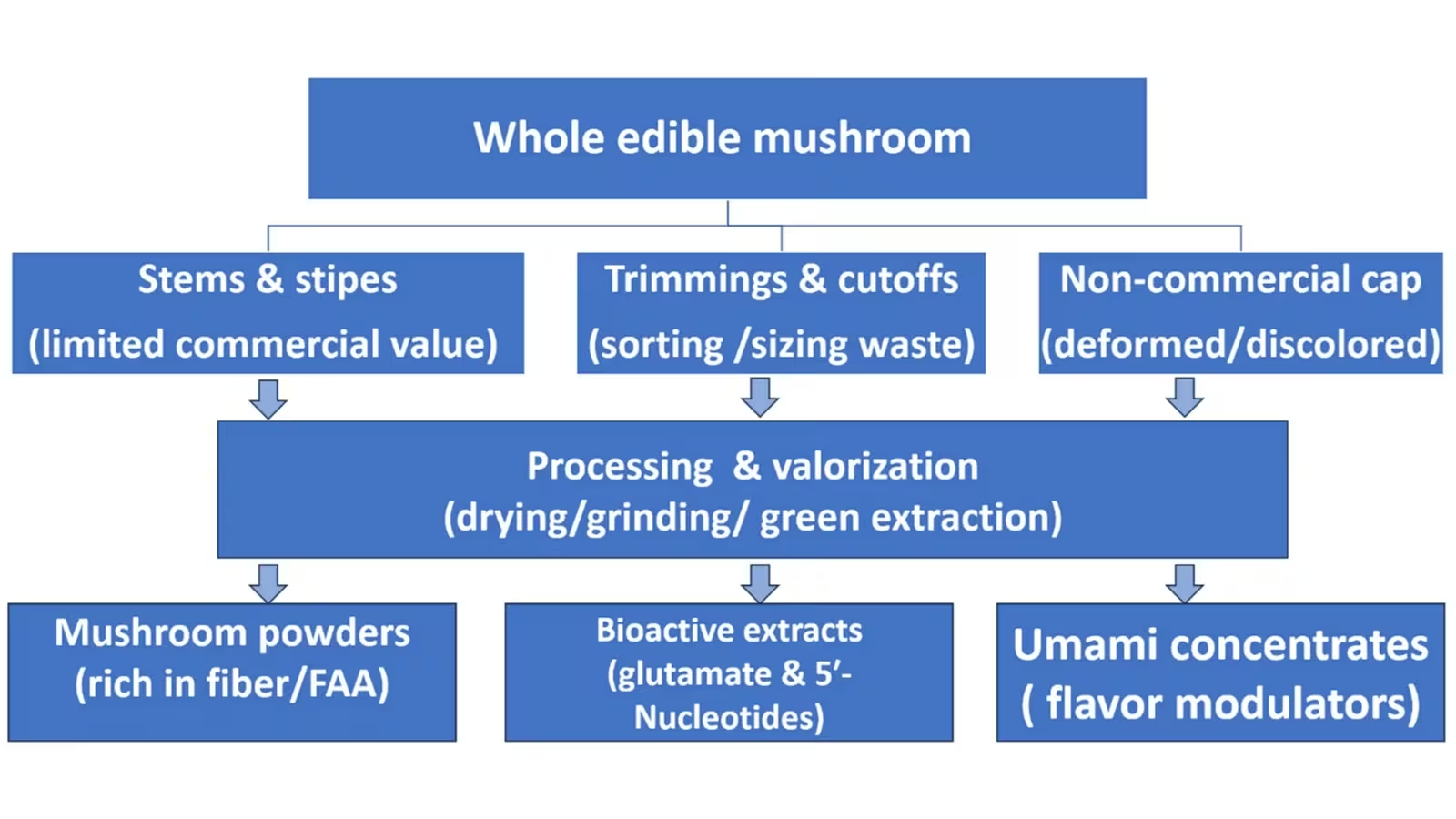
Valorisation of Edible Mushroom By-Products as Natural Flavour Enhancers in Plant-Based Foods: Mechanisms, Sensory Profiles, and Industrial Translation
Plant-based foods have emerged as an important choice for many consumers. Although foods formulated from plant-derived raw materials and ingredients can contribute to more sustainable food systems, their broader consumer acceptance continues to be constrained by suboptimal flavour quality compared with products prepared using animal-derived ingredients.
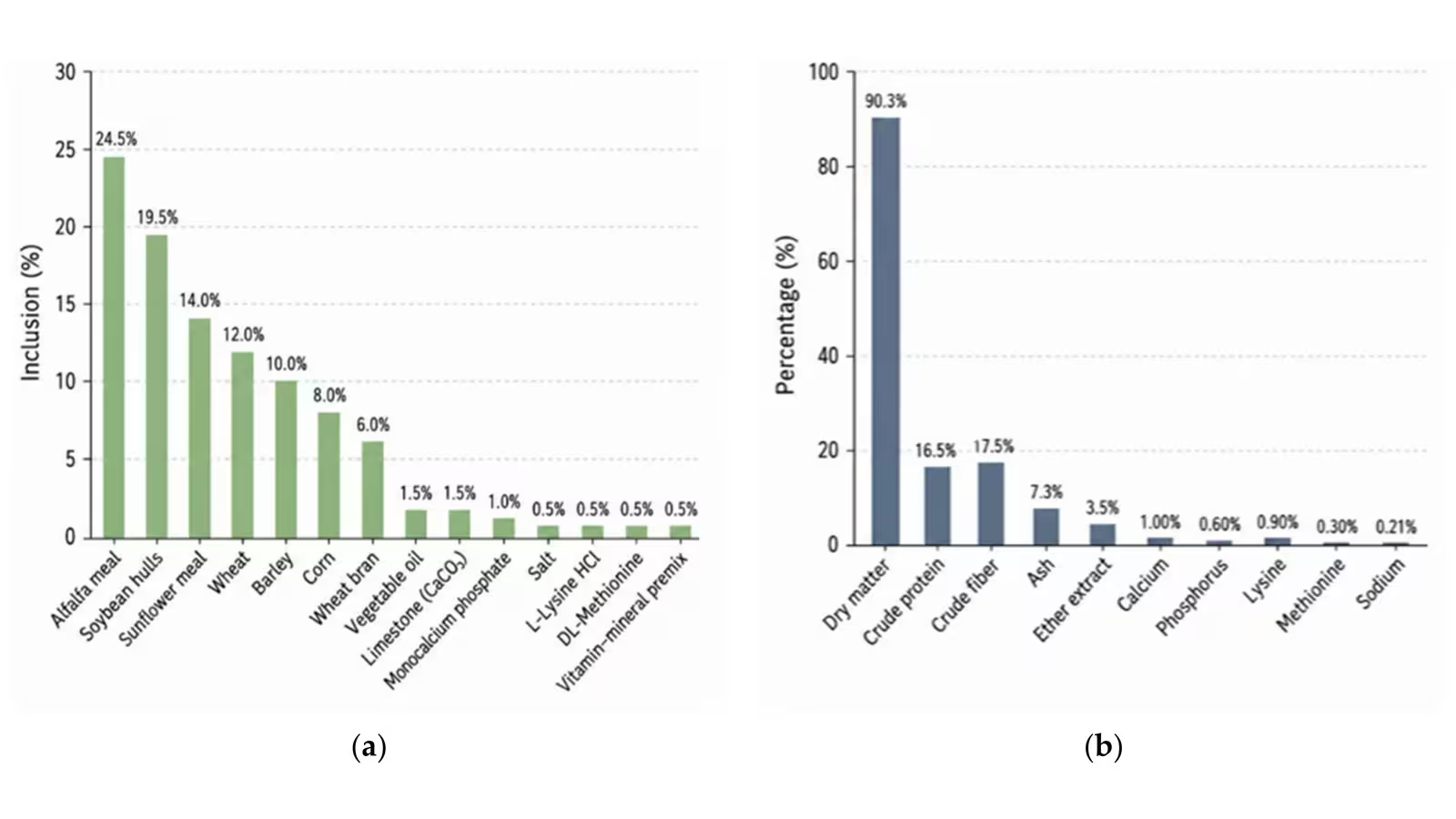
Comparative Evaluation of the Functional and Immunomodulatory Properties of Raw and Spray-Dried Donkey Milk
Donkey milk contains bioactive components with immunomodulatory potential, but preservation technologies must retain these effects to support its use as a functional food ingredient. This study investigated whether spray drying preserves the in vivo biological functionality of donkey milk.
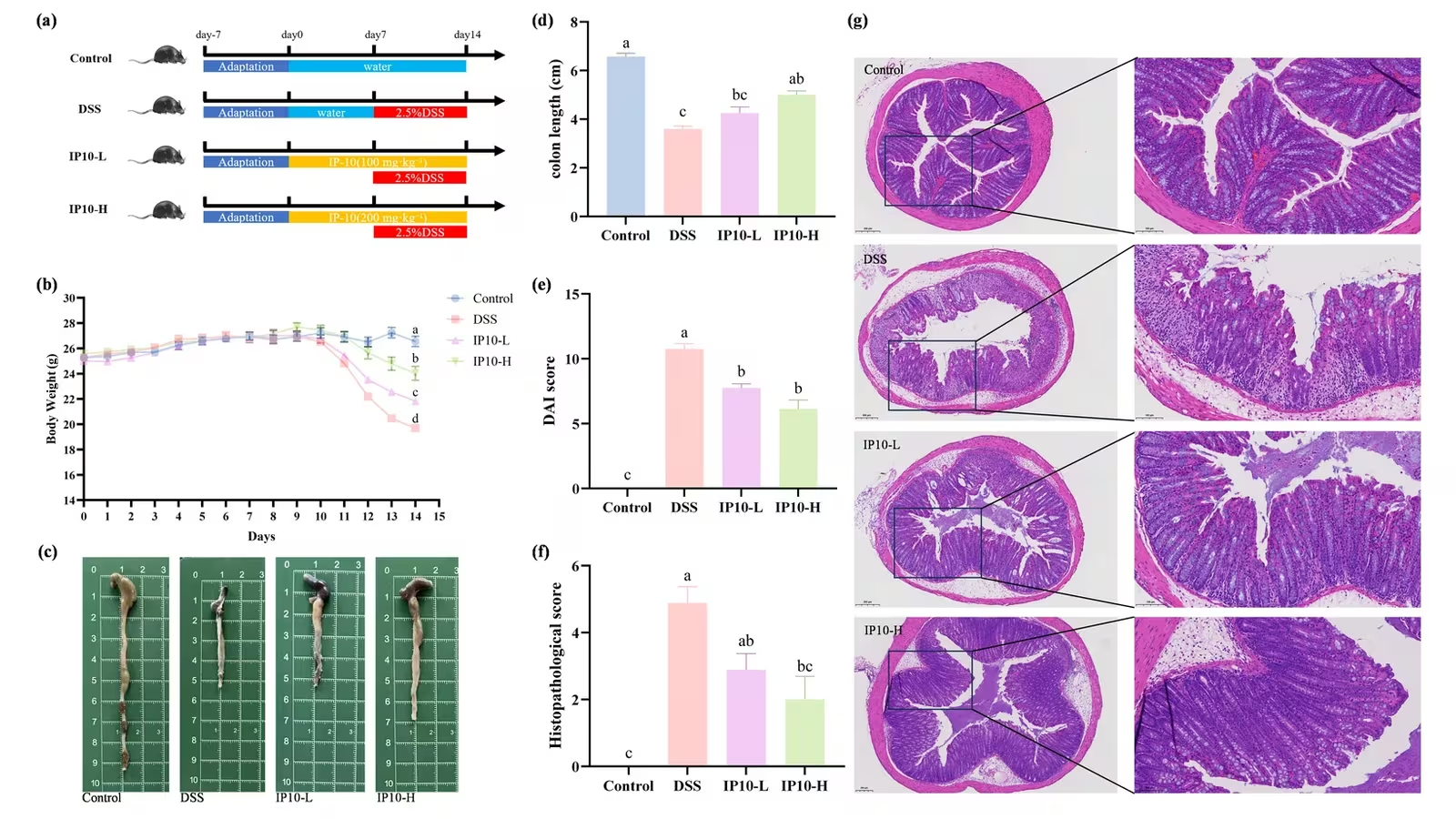
Adzuki Bean Peptide Prevents DSS-Induced Colitis by Modulating the Gut Microbiota
Background: The incidence of ulcerative colitis (UC) continues to rise, and food-derived bioactive peptides have attracted increasing attention as potential nutritional interventions for intestinal inflammation. This study investigated the preventive effects of the adzuki bean-derived peptide IFNNDPNNHP (IP10 peptide) on dextran sulfate sodium (DSS)-induced acute colitis in mice and explored the involvement of the…
A Multi-Target Approach to Colitis: Ergothioneine Promotes Recovery by Restoring the Intestinal Barrier, Reducing Inflammation, and Remodeling the Microbiota
Ergothioneine (EGT) is a naturally occurring sulfur-containing histidine derivative with antioxidant and anti-inflammatory properties. However, its protective role and potential mechanisms in intestinal inflammation remain insufficiently understood.

Application of Bamboo Shoot Superfine Powder/κ-Carrageenan Composite Gel in Bread: Texture, Properties and Flavor
Bread texture and flavor are largely governed by the development of its internal microstructure and the migration dynamics of water and volatile compounds. In this study, a bamboo shoot shell superfine powder/κ-carrageenan composite gel system (KCS) was developed, and the effects of different addition levels (0%, 5%, 10%, 15%, 20%) of KCS on bread performance, structure, and flavor were investigated.

Coix Seed Attenuates Acute Lung Injury via NLRP3 Signaling Pathway: Efficacy, Active Components, and Mechanisms
Coix seed is a medicinal and nutritional resource, but its protective effects against acute lung injury (ALI) remain unclear. This study investigated the efficacy, active components, and mechanisms of Coix seed extract (CSE) against ALI, focusing on the NLRP3 signaling pathway.
Thermosonication-induced structural remodeling of faba bean protein: Improved functionality, digestibility, and cholesterol metabolism regulation for cardiovascular health
Faba bean protein isolate (FPI) is a promising plant-based protein ingredient; however, its compact molecular structure restricts its functional performance and bioactive potential. The effects of heat treatment (H-FPI), ultrasonication (U-FPI), and sequential thermosonication (UH-FPI) on the structural characteristics, techno-functional properties, and hypocholesterolemic activity of FPI were investigated in vitro…

HAMSIAA protects cyclophosphamide induced immunosuppression by modulating gut homeostasis and purine metabolism
Introduction Dietary supplementation with functional starches serves as a promising intervention strategy for immune regulation, yet the immunomodulatory efficacy and underlying mechanisms of newly developed modified starch derivatives remain to be further explored. In this study, a cyclophosphamide (CTX) induced secondary immunodeficiency mouse model was adopted to investigate the immunoregulatory effects of indole…
Biochemical Profiling and Ecotoxicological Assessment of Prunus spinosa L. Fruits from the Cluj Region: Phytochemical Composition, Contaminant Load, and Antioxidant Potential
Prunus spinosa L. (blackthorn) is a widely distributed wild fruit species in Romania with considerable, yet underexplored, potential as a functional food ingredient and natural source of bioactive compounds. This study aimed to characterize the phytochemical composition, mineral and contaminant profiles, and antioxidant capacity of P. spinosa fruits collected from five sites in the Cluj region with contrasting…
Immune effects of lipids isolated from Oncorhynchus mykiss eggs on cyclophosphamide-induced immunosuppression in mice
Rainbow trout ( Oncorhynchus mykiss ) eggs are a rich source of polyunsaturated fatty acids (PUFAs), with levels exceeding those found in fish meat, and are also a notable source of bioactive omega-3 fatty acids, primarily eicosapentaenoic acid (EPA)and docosahexaenoic acid (DHA). However, despite their nutritional advantages, their in vivo immunomodulatory properties remain poorly understood.