Retail & Dining
Retail formats, restaurants and foodservice operations.
Balancing Environmental Footprints and Nutritional Efficiency in University Canteen Menus: A Scenario-Based Life Cycle Assessment of Menu Architecture
University canteen menus are increasingly evaluated for their environmental impacts, yet sustainability strategies often focus on single-food substitutions rather than on overall meal structure. This study investigated whether environmental improvements are better achieved through main-dish substitution or through redesigning menu architecture while maintaining nutritional efficiency.
How Chef-Designed Plating Shapes Consumer Evaluations of a Dish in a Real Restaurant Setting
Visual cues strongly influence consumer evaluations of food, but sauce presentation may also affect how diners interact with a dish during consumption. In a naturalistic restaurant field study, 57 participants completed a counterbalanced within-participant comparison of minimal and drizzle sauce presentations, with evaluations collected before and after tasting.

Executive Dysfunction-A Serious Game for Assessment in Real-Life Contexts: Development and Cross-Sectional Usability Study
Background Traditional neuropsychological assessments often lack ecological validity and have limited sensitivity for detecting executive dysfunction (ED) in daily life. Although grounded in standardized tasks, they do not represent the complexity of real-world contexts.

Employee Voice in Digital Service Platform Environments: The Roles of Perceived Digital System Support and Psychological Empowerment
Digital transformation has reshaped work processes across the tourism industry, increasing the need to understand how employees perceive organizational digital systems and how these perceptions are associated with workplace behaviors. This study examined the relationships among perceived digital system support (PDSS), psychological empowerment, and voice behavior among tourism employees from an organizational…
Can ChatGPT Reflect Professional HACCP Judgments? A Comparative Study in Hospitality Food Safety
The implementation of Hazard Analysis and Critical Control Points (HACCP) systems remains a cornerstone of food safety management. However, their effectiveness is influenced by organizational, human, and technological factors.
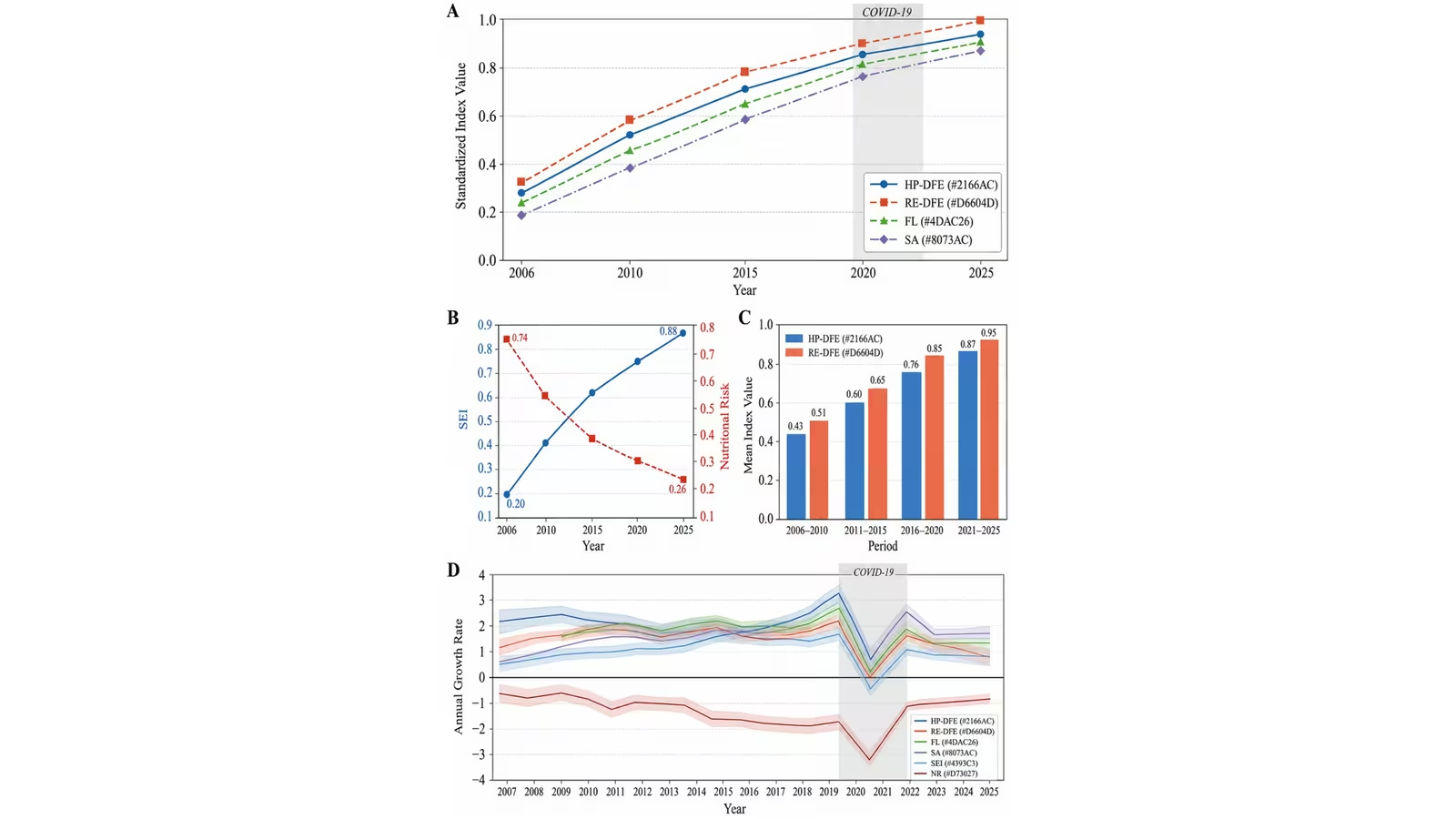
Digital food environments, food literacy, and sustainable eating among children in China: evidence from National Panel Data on supermarket availability and nutritional status
Children's dietary behavior in China is increasingly shaped by digital food environments, yet how digital exposure interacts with physical food access and food literacy in relation to child nutrition remains unclear at a national scale. This study utilized a longitudinal province-year panel covering 31 mainland Chinese provinces from 2006 to 2025 ( N = 620).
Objective Assessment of Medication Adherence Through Automated Pill Detection Using a Computer Vision Framework: Development and Evaluation Study
Background Medication adherence remains a significant concern in both clinical practice and public health. Nonadherence to prescribed medication regimens is associated with poorer health outcomes, higher rates of hospitalization, and increased financial burdens on health care systems.

Territorial inequalities in the food environment of Brazilian metropolitan regions
Objective To describe the retail food environment of Brazilian metropolitan regions using intramunicipal socioeconomic indicators, applying the Locais-NOVA classification. Methods Data from the 2023 Annual Social Information Report were used, with Human Development Units (HDUs) as the unit of analysis.
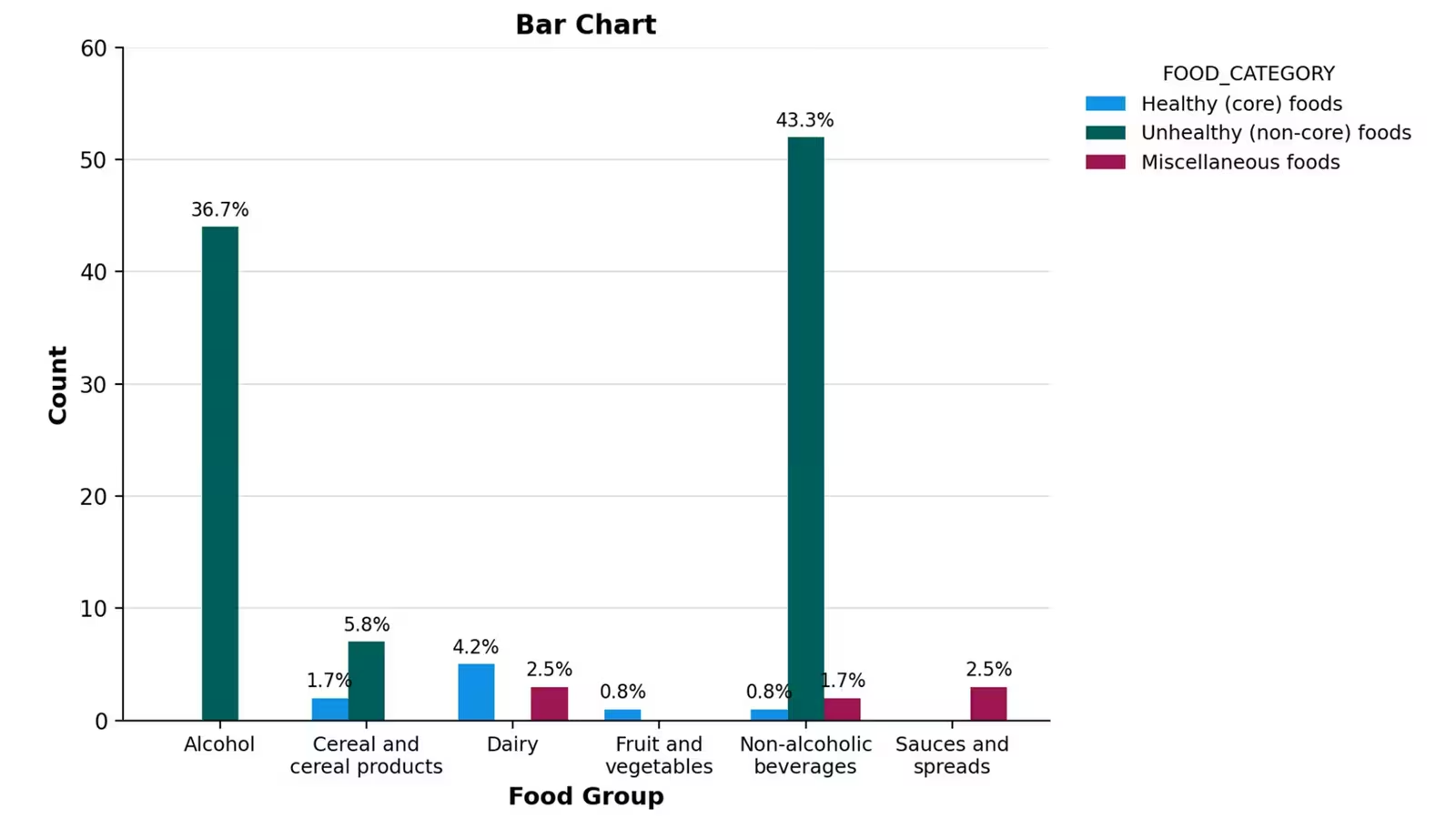
Mapping the Healthiness of Campus Food Environments in Nigeria: In-Store Retail and Outdoor Advertising Assessments at Selected Universities-The NigeFE Study
The rising burden of obesity and non-communicable diseases among young people has prompted global recommendations for healthier food environments, but evidence is limited across African universities. This study aims to assess the healthiness and spatial distribution of university food environments using in-store retail audits and outdoor food advertising assessments.
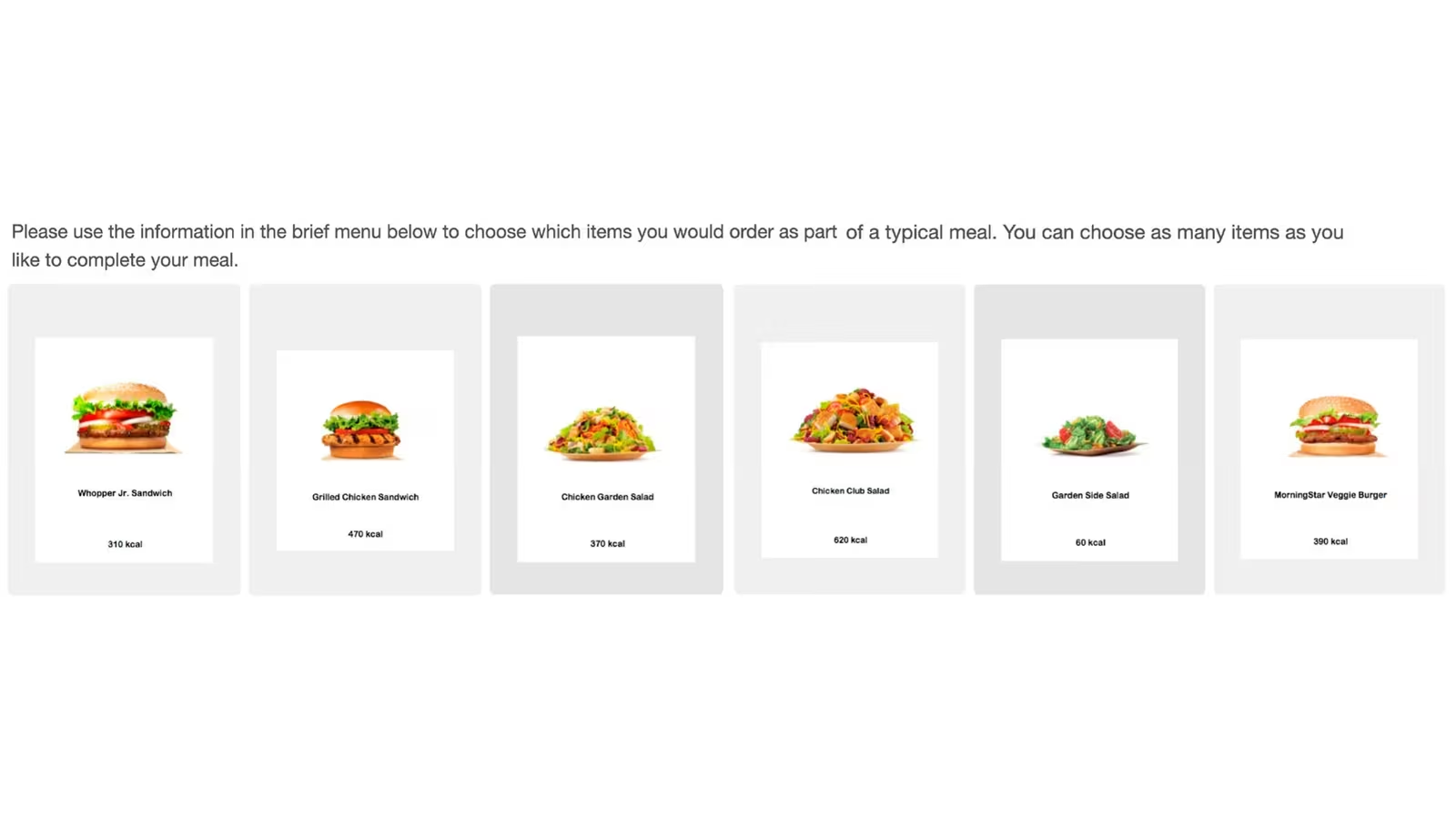
Eyes on the Fries: An Eye-Tracking Study of Motivated Attention and Calorie Labeling on Fast-Food Menus
Background/Objectives : This study examines the effectiveness of calorie labeling on restaurant menus by investigating how visual attention is allocated between calorie information and food cues. Although calorie labeling policies are widely implemented, prior research suggests limited impact on reducing energy intake.
Restaurant wastewater as a sustainable medium for ureolytic bacteria in biocementation
Restaurant wastewater (RWW) represents an abundant yet largely unexplored nutrient source for enriching ureolytic microbial consortia applicable to microbial-induced calcite precipitation (MICP). This study characterised RWW collected from a food-service establishment in Johor, Malaysia (COD 1,341 mg/L; BOD 837 mg/L; pH 6.8), and systematically evaluated its capacity to support indigenous ureolytic bacterial…

Effects of Listener Position on Speech Recognition in a Simulated Multitalker Environment
Background/Objectives : A listener's physical position in a realistic environment influences the intensity of speech and noise that arrives at the two ears as well as the binaural cues available for the segregation of target signals from background noise. The purpose of this paper was to evaluate how listener position influences speech recognition in a simulated multitalker environment and to determine the extent to…

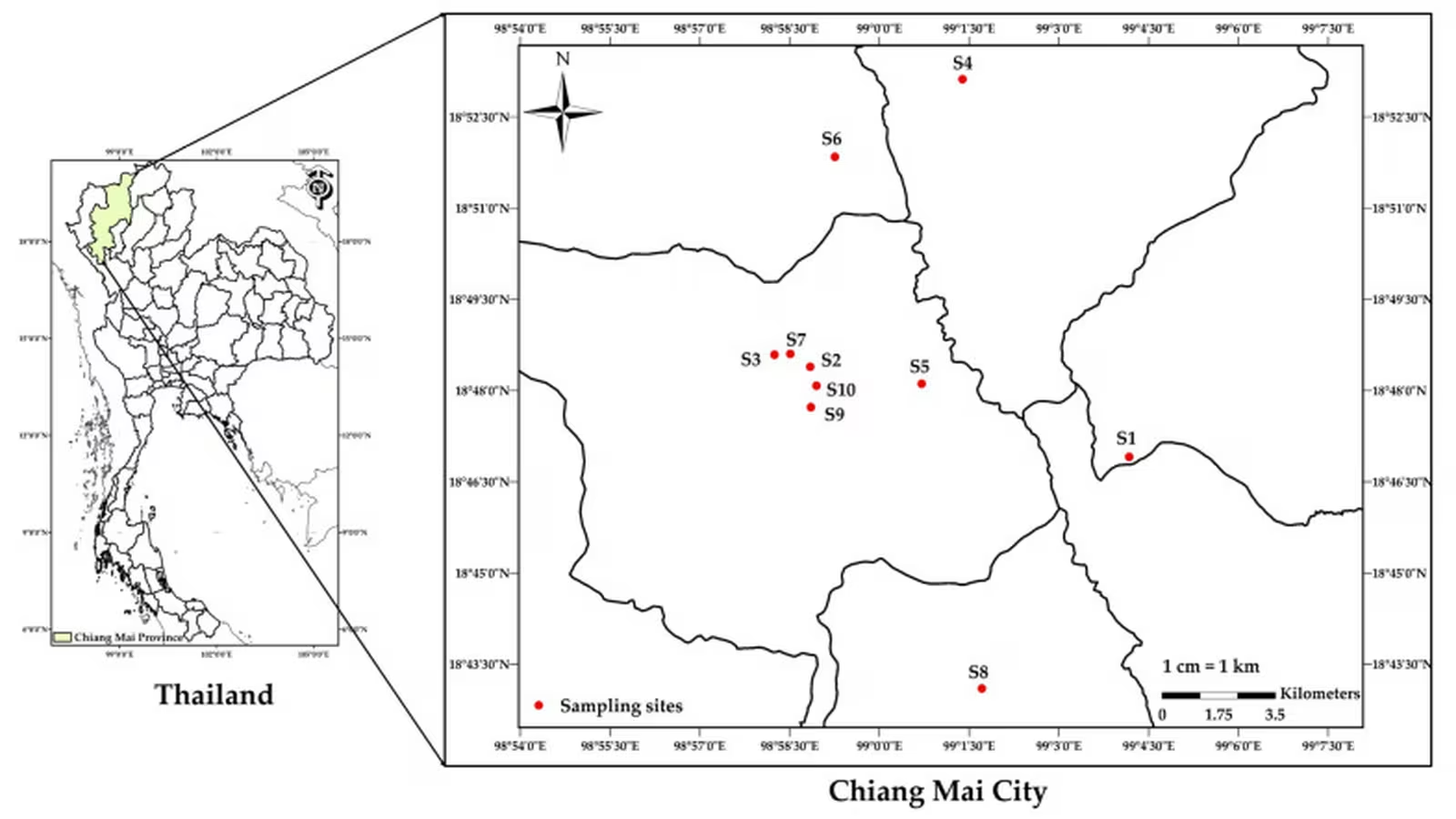
Characteristics and Carcinogenic Risk of PM 2.5 -Bound Polycyclic Aromatic Hydrocarbons from Charcoal Barbecue (Moo Kratha) Restaurants in Chiang Mai, Thailand
Barbecue (Moo Kratha) restaurants are prevalent in Chiang Mai City, Thailand. However, their PM 2.5 -bound polycyclic aromatic hydrocarbon (PAH) emissions, compounded by the region's severe seasonal smoke haze, remain poorly characterized.
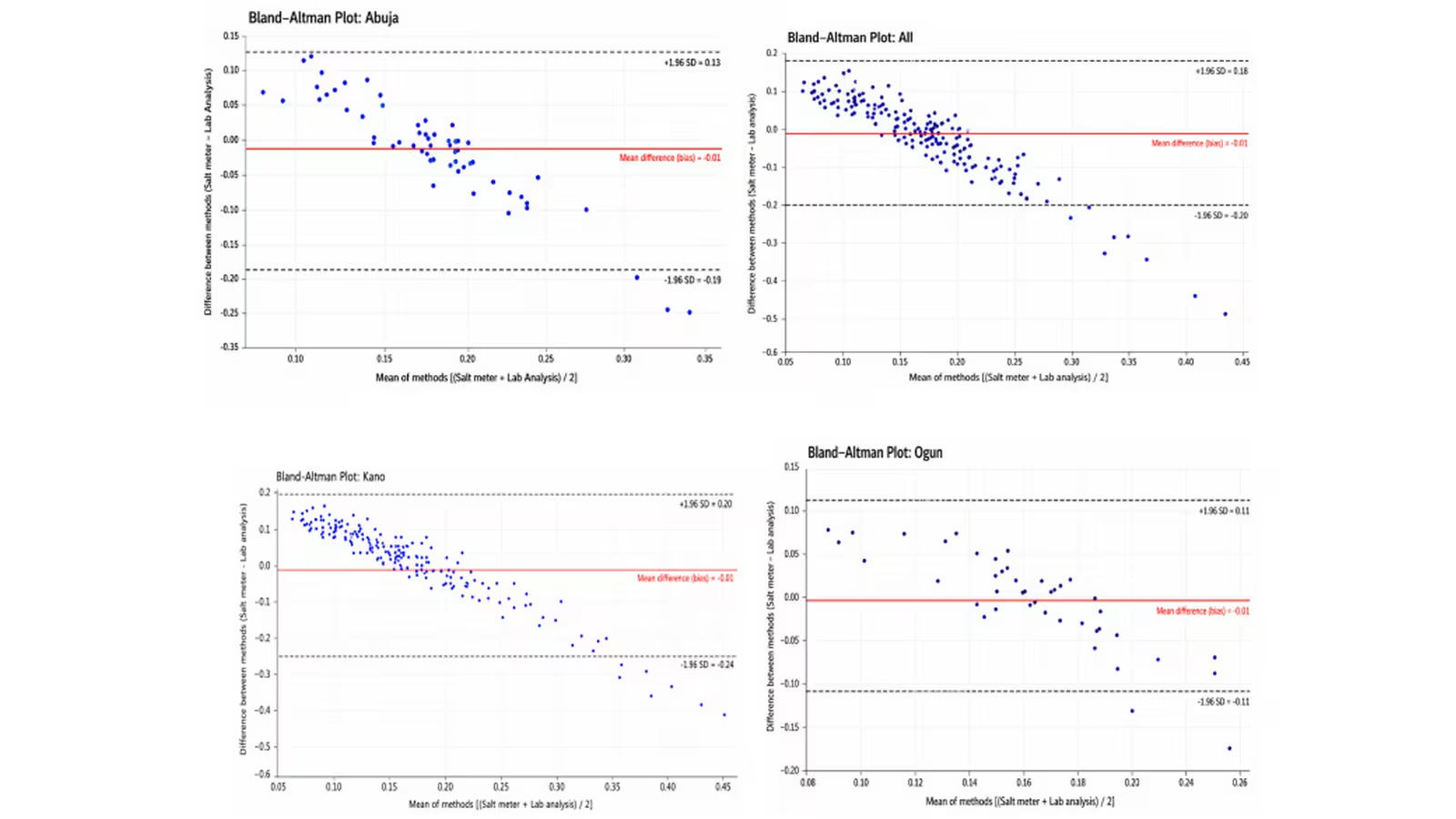
Sodium Content of Street and Restaurant Foods in Nigeria: A Multilevel Analysis of Food System Determinants
Background/Objectives : Street and restaurant foods constitute a major component of daily diets in low-resource settings due to their affordability, accessibility, and convenience. However, they are frequently characterised by high sodium content, posing significant public health risks, particularly for hypertension and cardiovascular diseases.
Improving the food environment in Colorado hospitals: a case study
Implementation of Food Service Guidelines (FSG) can improve nutritious offerings and individual health behaviors. This case study demonstrates how a state health department supported hospitals to improve their nutrition environments.
Obesity Related Out-of-Pocket Expenditure and Productivity Loss: Evidence From Cross-Sectional Study in Bangladesh
Background and aims Obesity has become a major health issue, especially in developing nations. Along with its direct health effects, obesity creates serious financial consequences for individuals, such as out-of-pocket expenses as well as productivity loss.