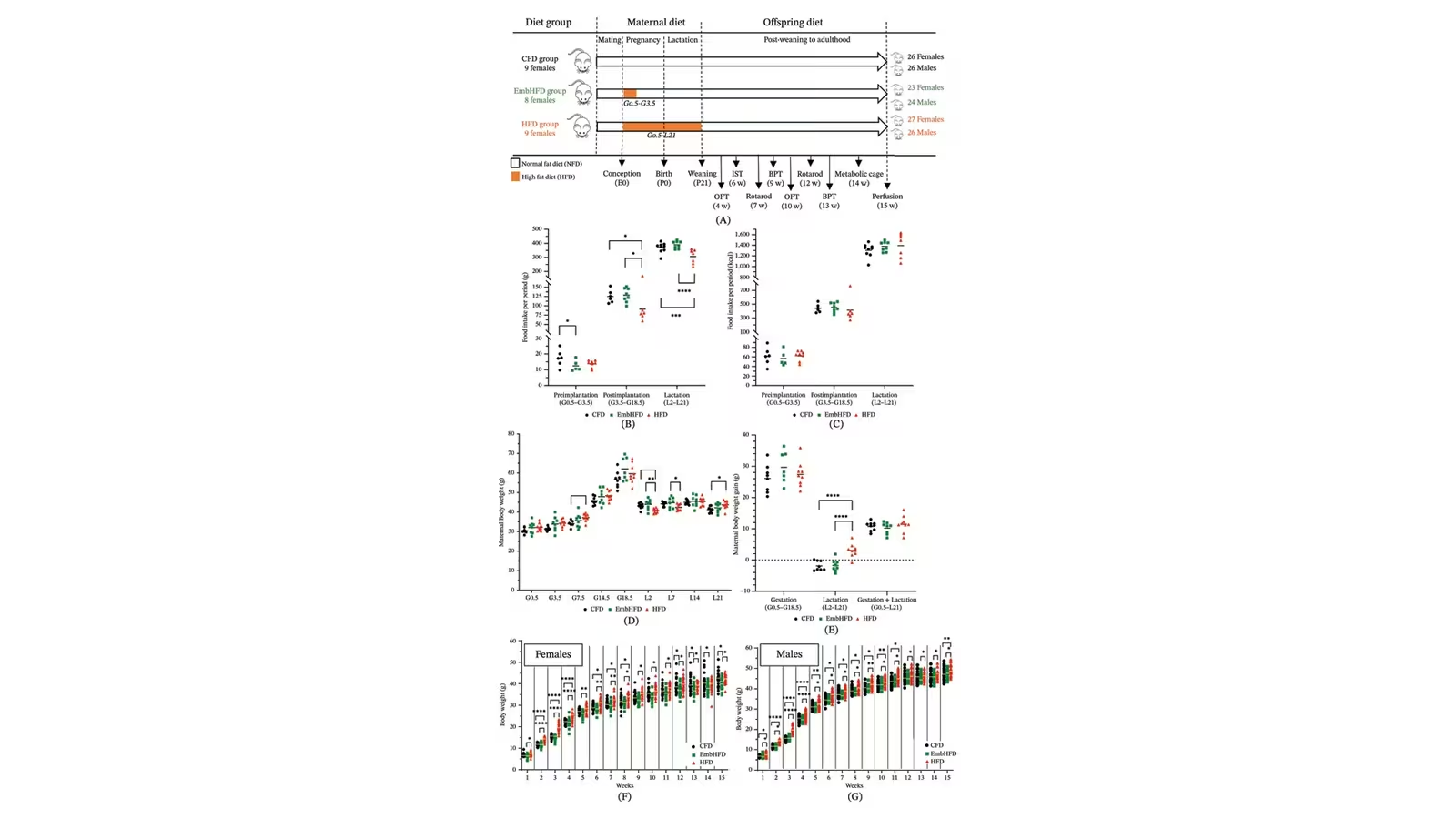
Maternal nutrition during offspring development influences the offspring physiology and risk of long-term chronic disease. Here, we investigate the effects of maternal high-fat diet during distinct developmental windows (preimplantation alone, EmbHFD; or throughout gestation and lactation, HFD) on adult offspring metabolic, molecular and motor behavioural outcome.
What the research examined
Our mouse model, utilising healthy nonobese MF1 mothers, induced distinct offspring outcomes dependent upon dietary duration with some sex-specific effects. EmbHFD offspring had high serum leptin (females), elevated systolic blood pressure (SBP), low locomotory activity and diminished motor coordination. Similarly, HFD offspring not only had raised serum leptin, high SBP and poor motor coordination but also experienced excess weight gain, deficits in energy metabolism, reduced relative brown adipose tissue (BAT) mass (females) and increased muscle lipid accumulation.
What the findings mean
Transcriptomic profiling of HFD female offspring revealed upregulation of thermogenic and lipid-handling genes (e.g., Ucp1 and ApoE ) in BAT alongside downregulation of mitotic regulators, suggesting impaired regenerative capacity. Collectively, these findings demonstrate, first, the risk to offspring of even transient maternal fatty diet without maternal obesity. Second, they highlight the sensitivity of periconceptional nutrition on the emergence of offspring multisystem metabolism and physiology, supporting the Developmental Origins of Health and Disease (DOHaD) concept.
Study authors: Peral-Sanchez I, Sezer E, Ojeda DA, Calder PC, McHugh PC, Morris R, Norman JL, Ward J, Fleming TP, Eckert JJ, Smyth NR, Willaime-Morawek S.. This report is based on the openly licensed abstract and source record and has been formatted for newsroom reading.
Journal of nutrition and metabolism
https://europepmc.org/articles/PMC13625825This report is prepared from the public source listed above for news and industry-information purposes. Original research, text, trademarks and images remain with their authors and rights holders; open material is used under the licence identified by its source. Rights holders may contact rights@asiafoodtimes.com with evidence of ownership, and verified concerns will be corrected or removed promptly. This article is not investment, legal, medical or nutrition advice.