Food Safety
Standards, pathogens, testing and regulatory decisions shaping the food system.
Occurrence and Characterization of the Pathogenic Potential of Bacillus cereus in Vending Machines from Southern Italy
Bacillus cereus is a ubiquitous spore-forming bacterium associated with foodborne illness. Although frequently detected as a contaminant in food-processing environments, the presence of specific virulence-associated genes may be relevant to food safety.
Advances in Sensing Techniques and Deep Learning for Food Quality Detection: Opportunities, Challenges, and Perspectives from Image Recognition to Multimodal Data Fusion
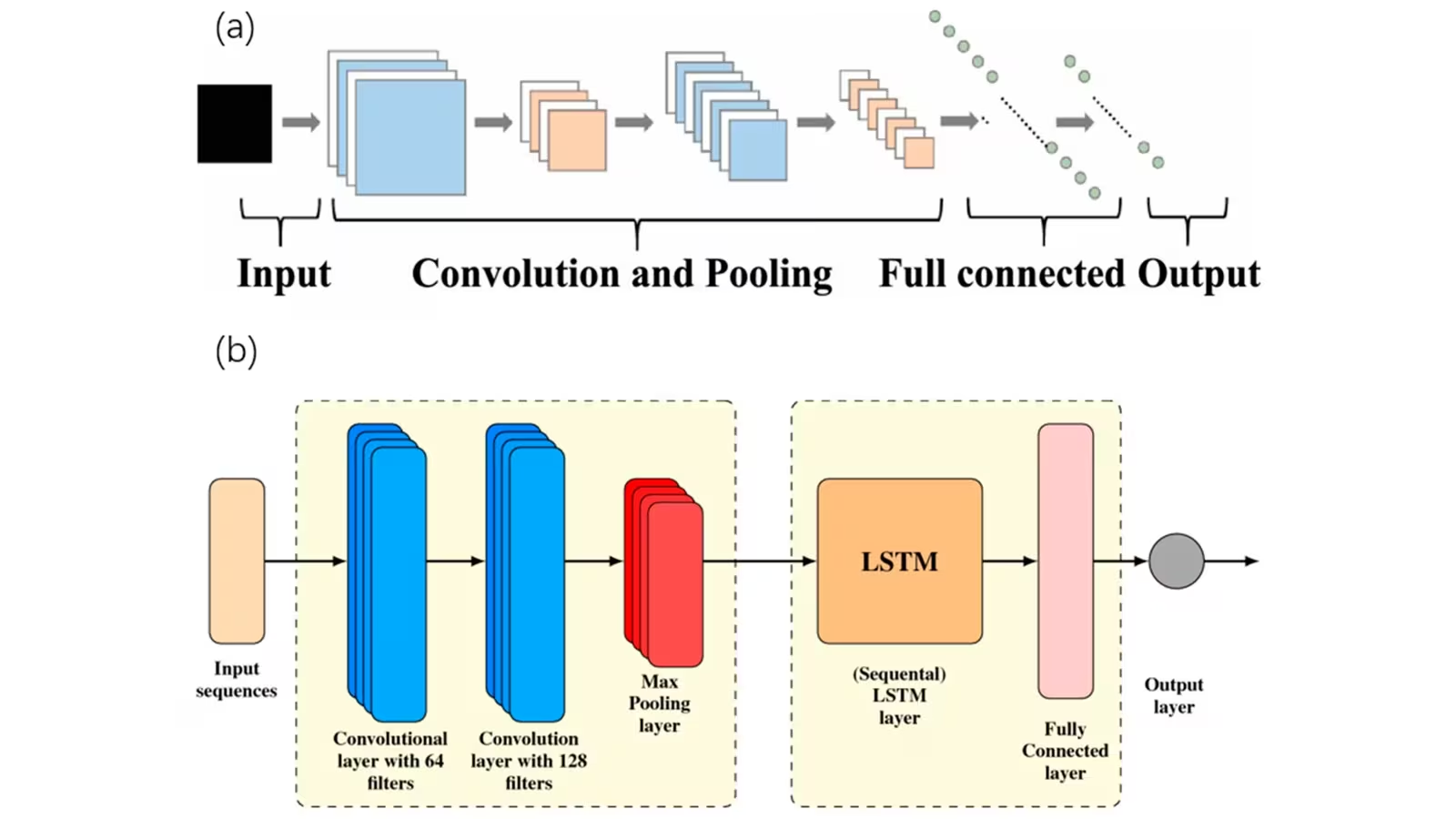
Food quality and safety inspection increasingly requires advanced solutions because conventional methods are challenged by the complexity of modern food systems. Effective inspection must address product quality, authenticity, and safety, together with process-related risks arising during production, storage, transportation, and distribution.
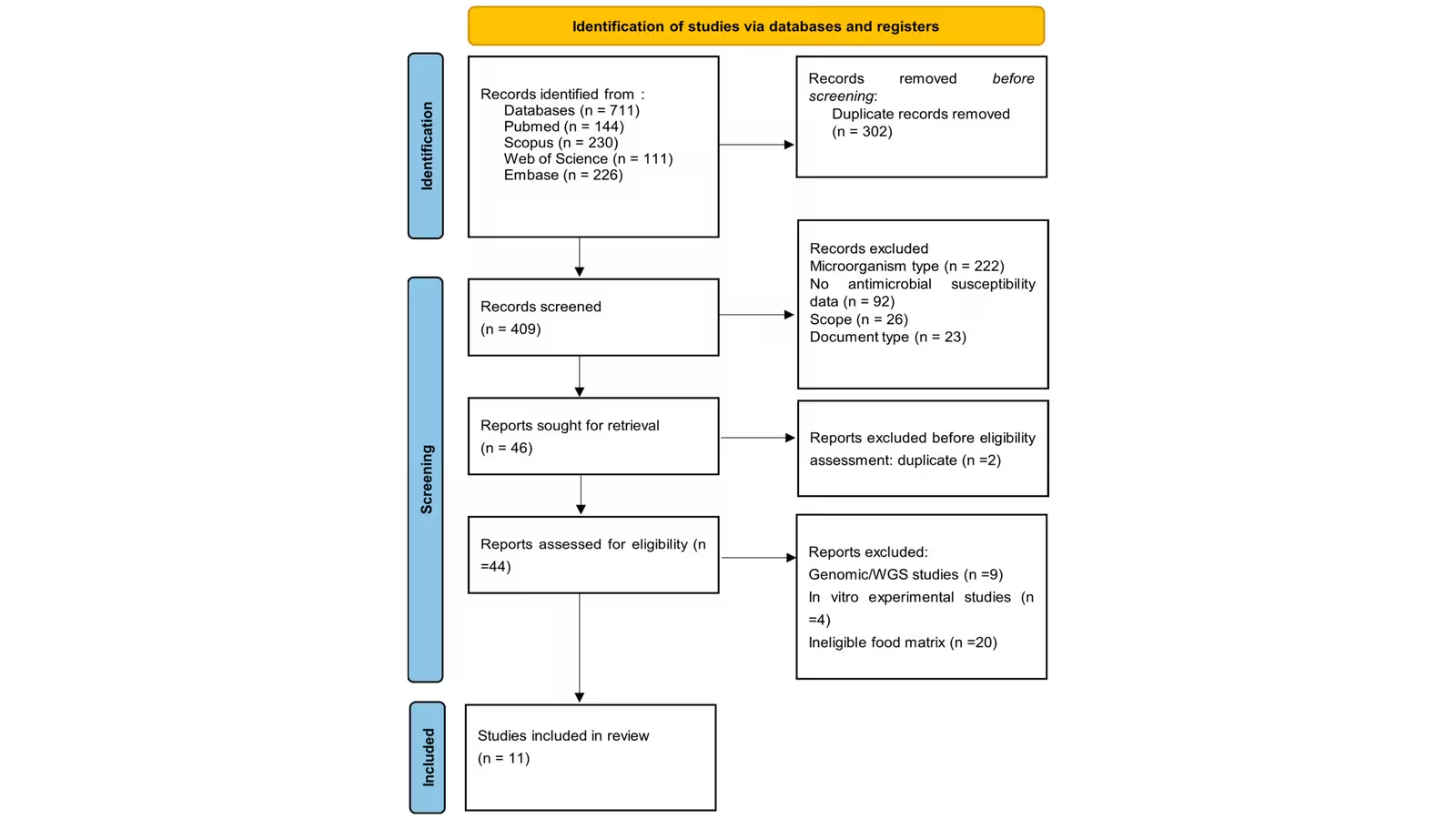
Prevalence and Phenotypic Antimicrobial Resistance of Listeria monocytogenes from Animal-Derived Foods: A Scoping Review
Listeria monocytogenes is one of the leading foodborne pathogens and an increasing public health concern because of the emergence of antimicrobial-resistant strains. This scoping review aimed to synthesize the available evidence on the prevalence and phenotypic antimicrobial resistance profiles of L. monocytogenes in animal-derived foods.
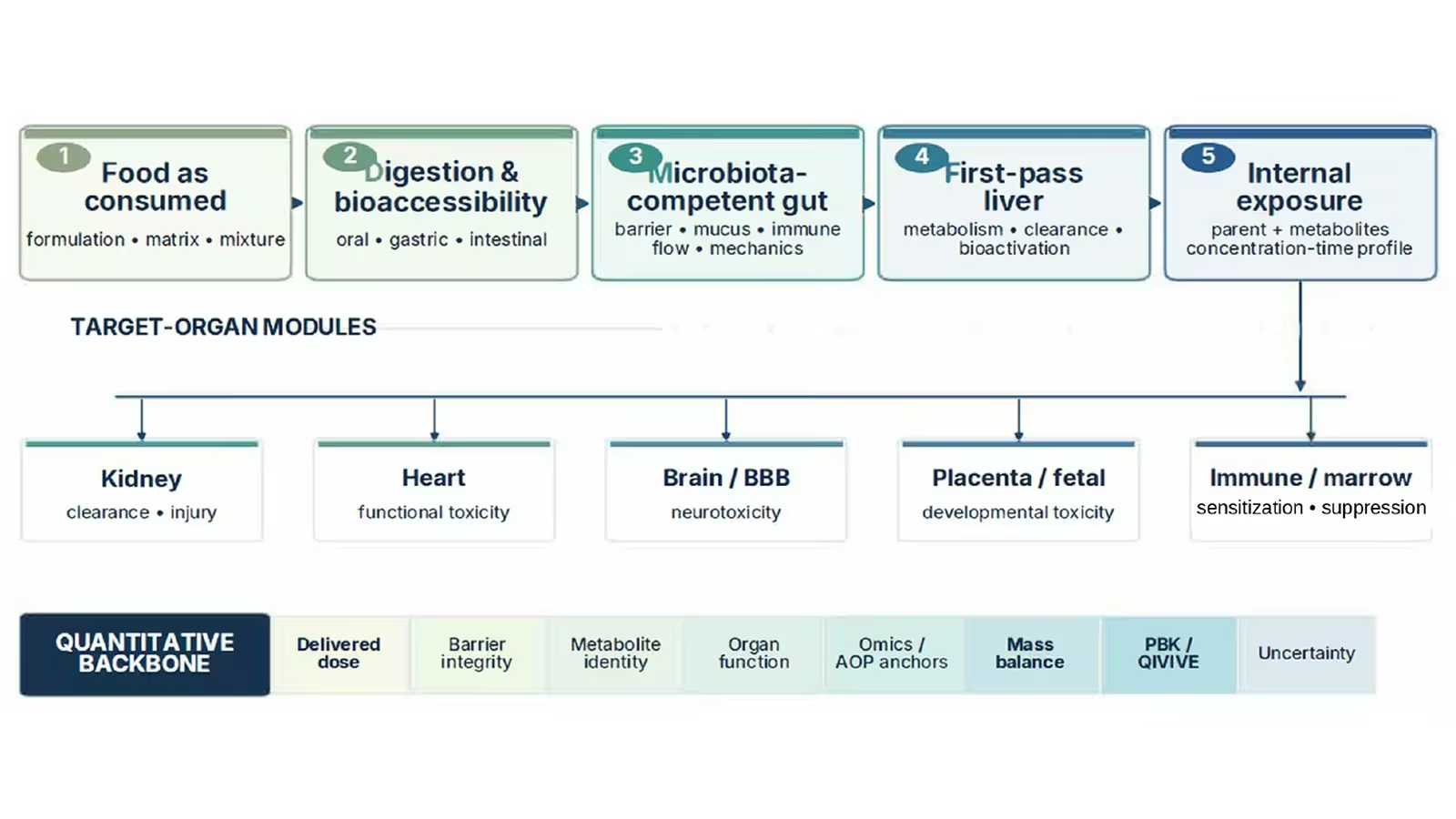
From dietary exposure to systemic toxicity: organ-on-chip and multi-organ microphysiological systems for green food toxicology
Food safety assessment must protect diverse human populations from chronic, low-dose, and mixed dietary exposures, yet conventional animal and static cell models often incompletely represent human digestion, metabolism, microbiota, and vulnerable life stages. This critical review maps living Organ-on-chip (OoC) and multi-organ microphysiological system (MPS) studies published through 10 July 2026 that address food…
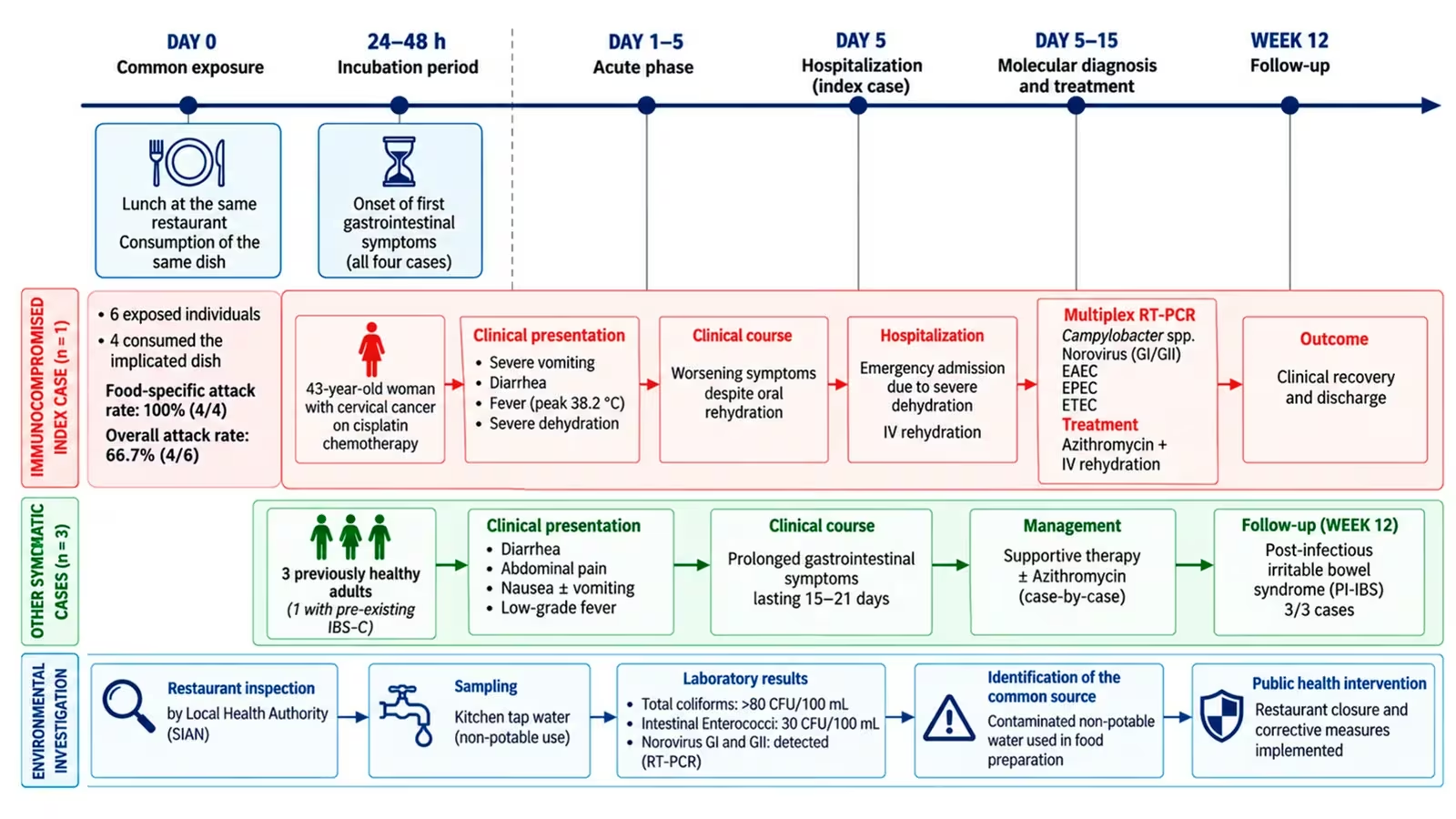
Clinical and Public Health Lessons from a Point-Source Polymicrobial Foodborne Outbreak: Implications for Vaccination of Vulnerable Populations
Background Foodborne outbreaks remain a major public health concern, particularly for immunocompromised individuals who experience a disproportionate burden of severe enteric disease. Although environmental prevention represents the cornerstone of food safety, outbreak investigations may also provide valuable evidence for identifying populations that could benefit most from future vaccination strategies.
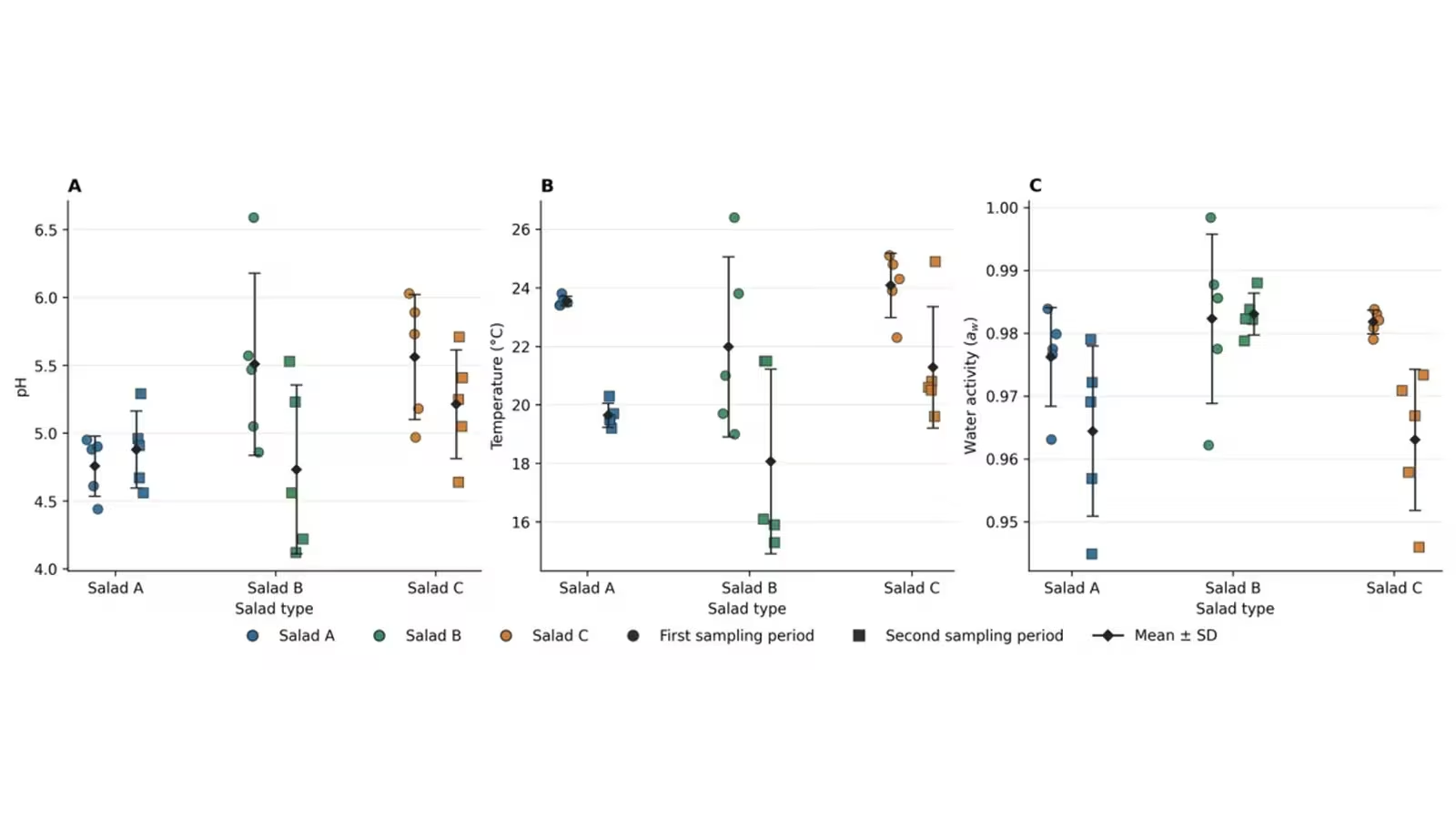
Occurrence of Enteric Viruses in Multi-Component Salad Bowls
The expansion of e-commerce and last-mile food delivery has created an increasingly relevant but understudied context for food safety surveillance. However, the occurrence of enteric viruses in ready-to-eat (RTE) foods within this distribution context remains largely unexplored.
Mapping Bacteriophage-Based Antimicrobial Research in Southeast Asia: A Bibliometric Analysis of Scientific Productivity, Knowledge Structure, and Emerging Research Pathways
Southeast Asia faces a substantial burden of antimicrobial resistance (AMR), creating increasing interest in bacteriophage-based antimicrobial strategies. However, the regional development, contributors, collaboration patterns, and evolving research priorities of this field remain insufficiently characterized.
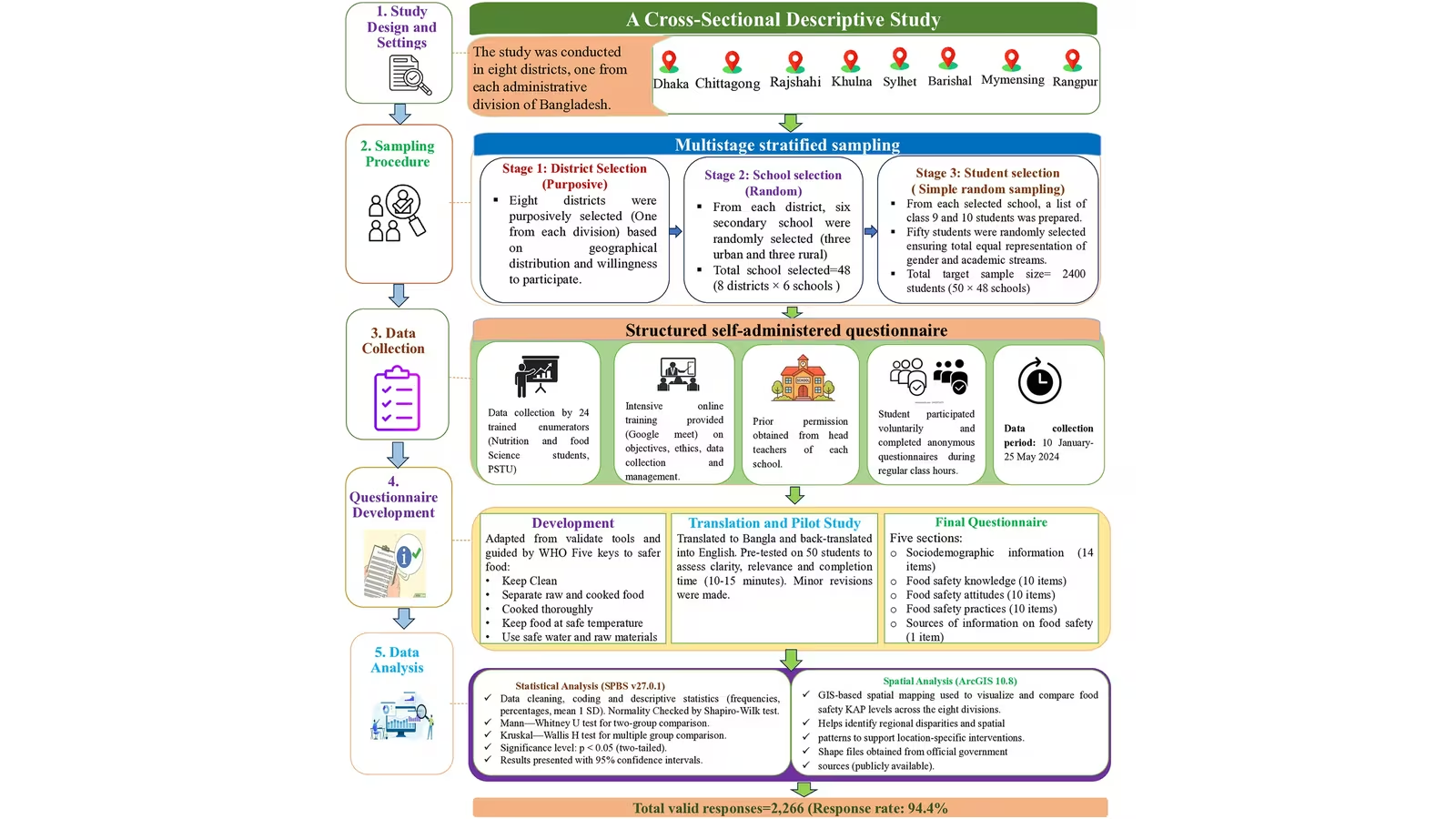
Assessment of food safety knowledge, attitudes, and self-reported practices among secondary school students in Bangladesh: A geographic information system-based cross-sectional study
Foodborne diseases are a significant public health problem in Bangladesh, particularly among school students with unsafe handling and consumption of food is a common practice. Therefore, this study assessed food safety knowledge, attitudes, and practices (KAP) among secondary school students across Bangladesh and examined socio-demographic predictors and division-wise variations in these areas.
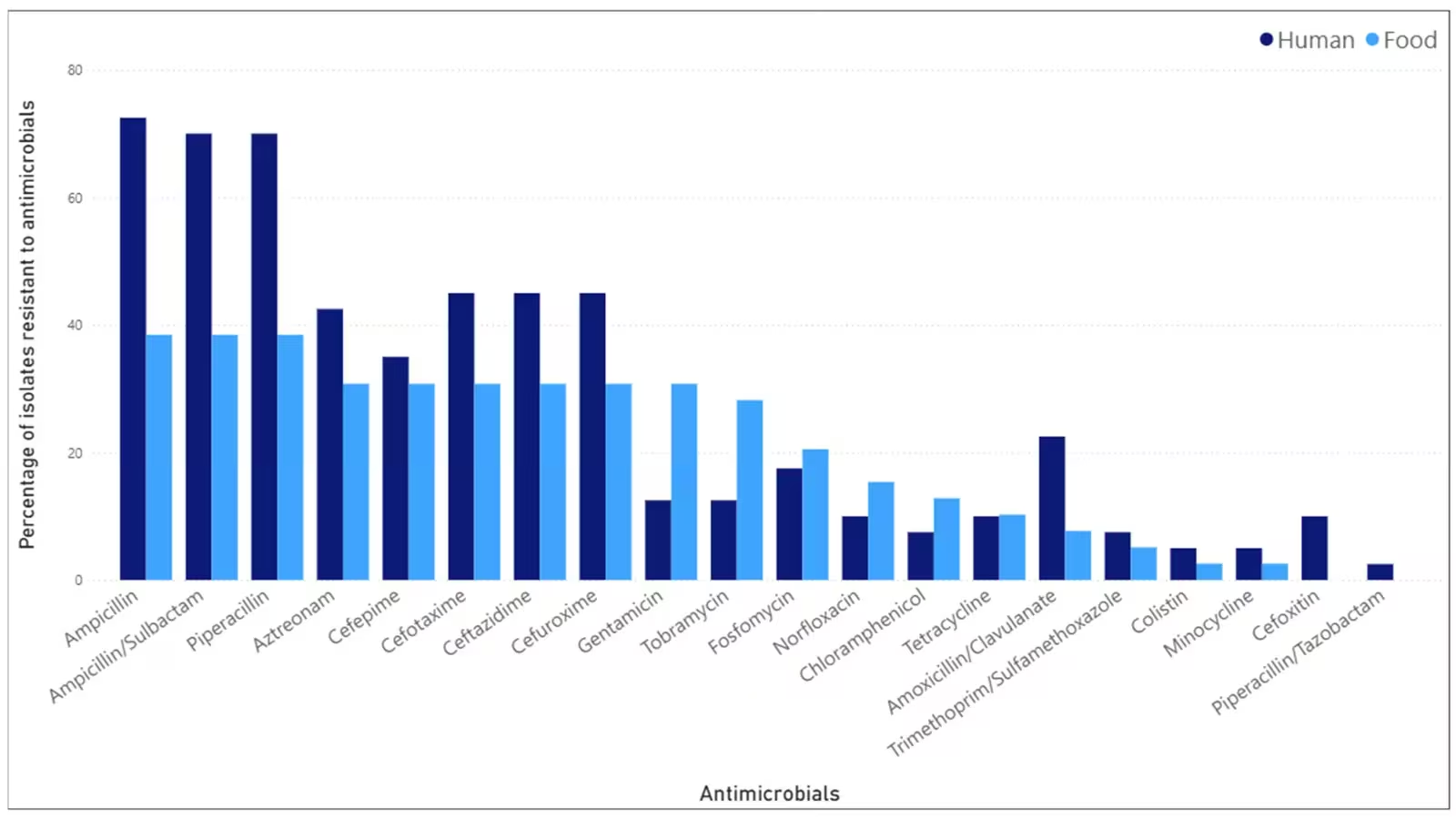
Whole-Genome Sequencing-Based Characterisation of Salmonella Saintpaul Isolates from Human and Food Sources in Singapore: Sequence Types, Antimicrobial Resistance and Plasmid Profiles
Salmonella Saintpaul is a foodborne pathogen of public health relevance. This study characterised 79 S.
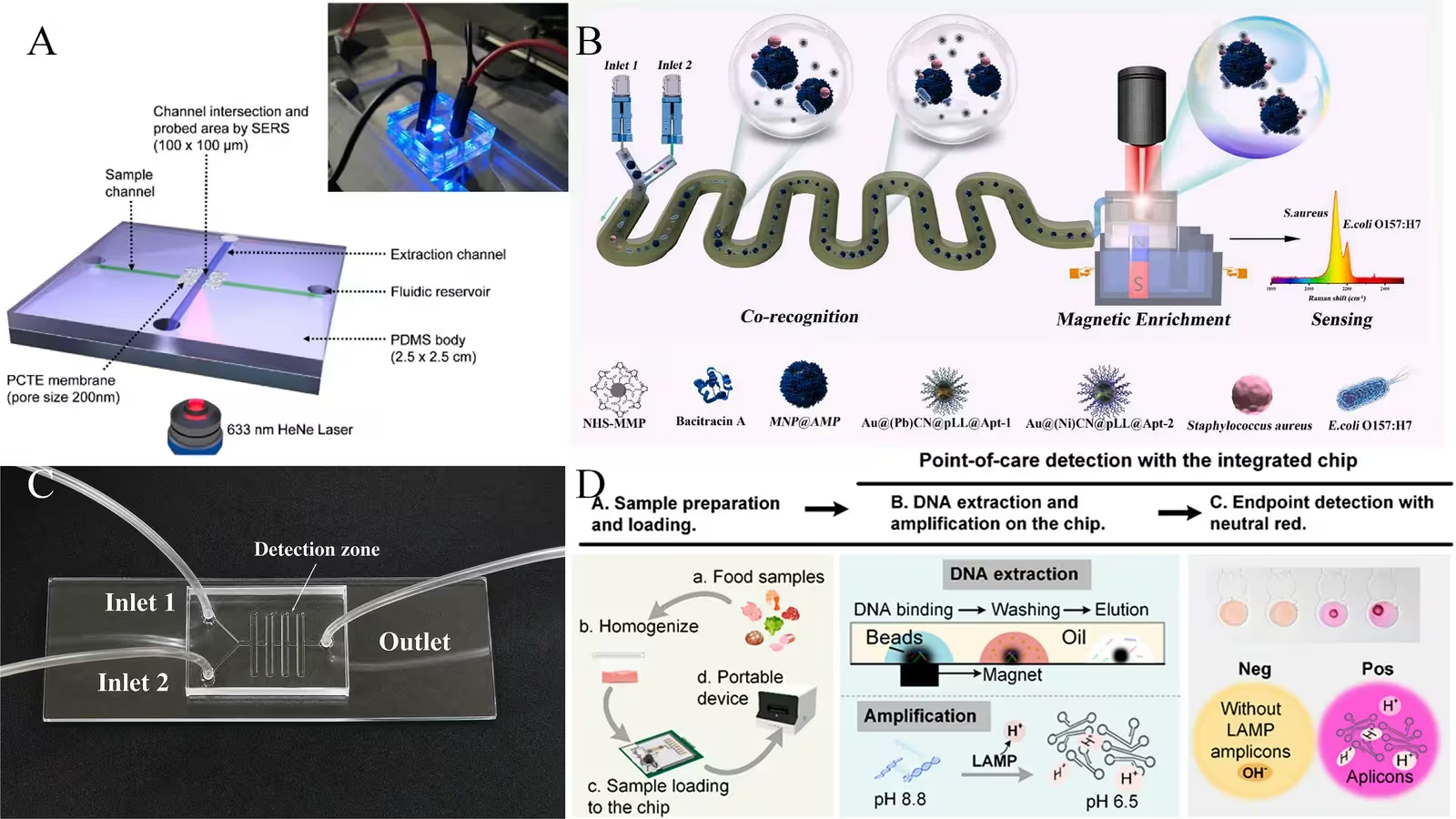
Microfluidics-Integrated Spectroscopic Technologies for Food Safety and Quality Assessment: From Complex-Matrix Processing to On-Site Decision-Making
Food safety and quality analysis is shifting from laboratory-based end-point testing toward faster, lower-volume and matrix-adapted on-site decision-making. Near-infrared (NIR), visible-near-infrared (Vis-NIR), hyperspectral, Raman, surface-enhanced Raman scattering (SERS), fluorescence, colorimetric and terahertz approaches, together with impedance time-series readout, provide complementary information on…
Information Source-Message Effect on Consumers' Intentions to Adhere to Food Safety Practices When Handling and Preparing Raw Chicken
Ideal food safety communication provides timely evidence-based information for consumers to protect themselves from foodborne illnesses. We investigated if information sources (experts providing factual information vs. social media influencers (SMIs) providing misinformation), cognitive, affective, and sociodemographic factors influenced participants' intentions to adhere to food safety practices for raw chicken, a…
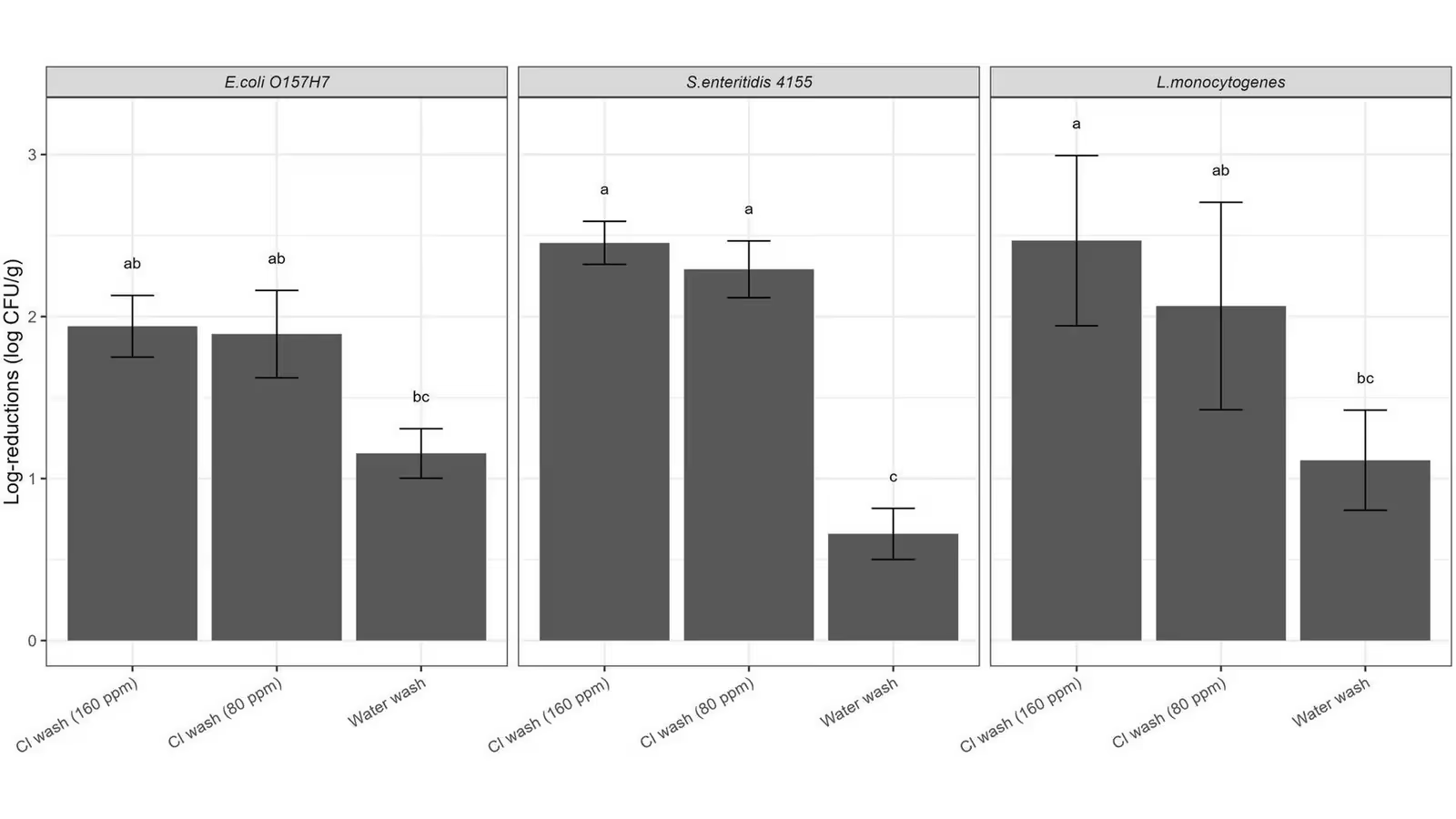
Nanoemulsified orange essential oil for decontamination of some foodborne pathogens on cherry tomatoes during simulated domestic washing
Surface decontamination is key for ensuring the food safety of ready-to-eat (RTE) produce. However, current chlorine-based washes raise health concerns, highlighting the need for alternative decontamination strategies, in response to increasing regulatory restrictions across several European countries.
Ribotyping for Accurate Identification of Infectious Bacteria in Animal-Derived Foods and Laboratory Samples: Implications for Human Health
Ribotyping is a molecular typing approach based on ribosomal RNA (rRNA) gene sequences for the identification and characterization of bacterial strains. This review aims to evaluate the effectiveness of ribotyping in the identification of infectious bacteria in animal-derived foods and veterinary samples.
Occurrence and antimicrobial resistance profile of Listeria monocytogenes isolated from chilled processed meat products in the Metropolitan Region of Recife, Brazil
The presence of Listeria monocytogenes in food represents a major challenge to food safety, especially in ready-to-eat products stored under refrigeration. This risk is associated with the ability of the pathogen to survive and multiply during prolonged refrigerated storage, making these foods potential sources of infection and a relevant public health concern.
Dominance of Bacillus cereus and Staphylococcus aureus in Foodborne Outbreaks: A 19-Year Systematic Review of Surveillance Data in Yogyakarta, Indonesia
Background/objectives Foodborne diseases account for the majority of infectious disease outbreaks in Yogyakarta, Indonesia, yet remain underexplored epidemiologically. This systematic review aimed to characterize the epidemiological patterns and risk factors of foodborne disease outbreaks in this region between 2006 and 2024.
Transferable IncHI2-Associated bla LAP-2 and bla CTX-M-55 Resistance Platforms in Foodborne Salmonella
Extended-spectrum β-lactamase genes in foodborne Salmonella enterica can disseminate through mobile multidrug-resistance platforms. IncHI2 plasmids are important resistance vehicles capable of carrying complex resistance regions and facilitating their horizontal transfer across diverse bacterial backgrounds, but the transfer and genomic organization of IncHI2 elements co-carrying bla LAP-2 and bla CTX-M-55 remain…