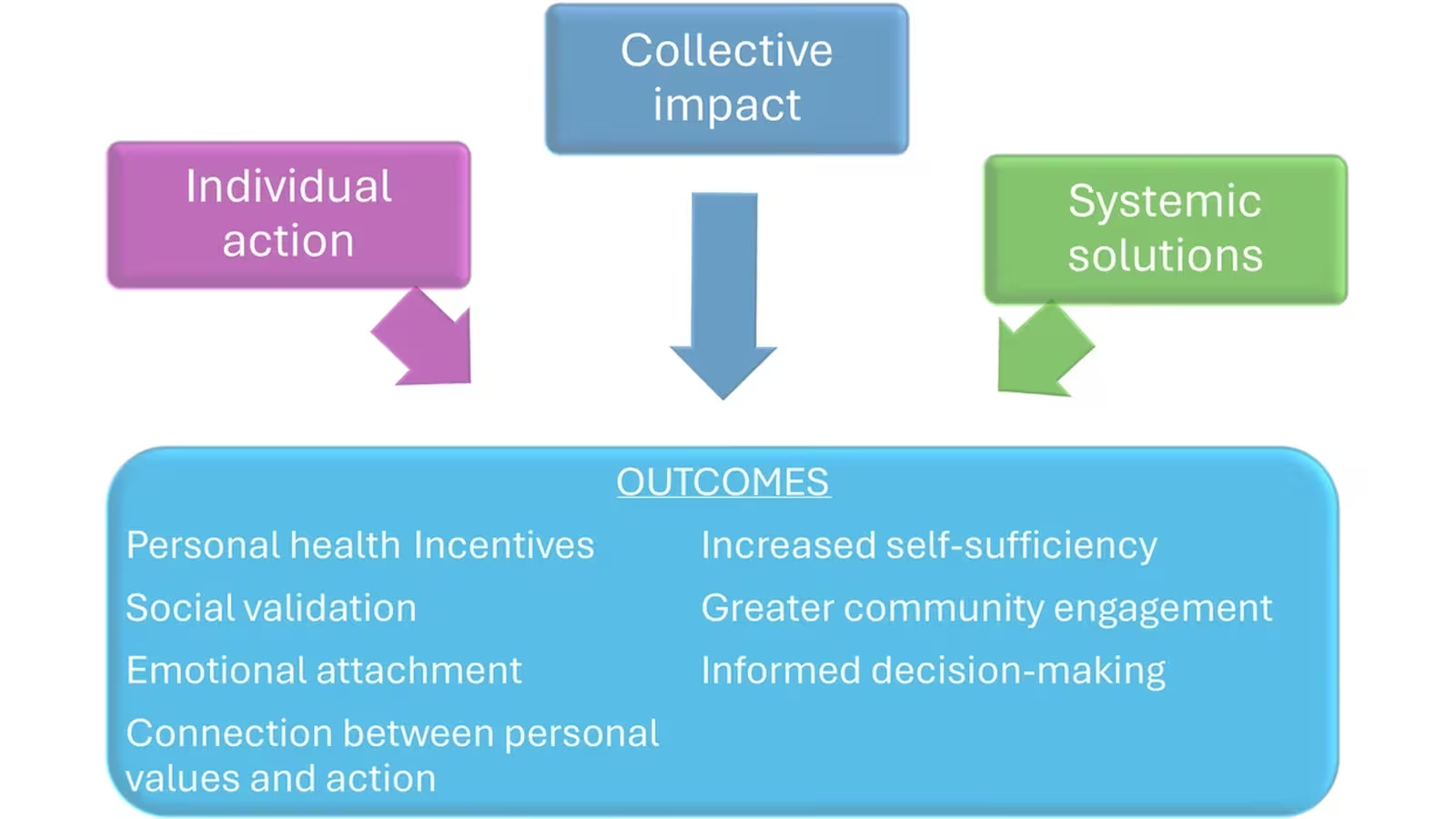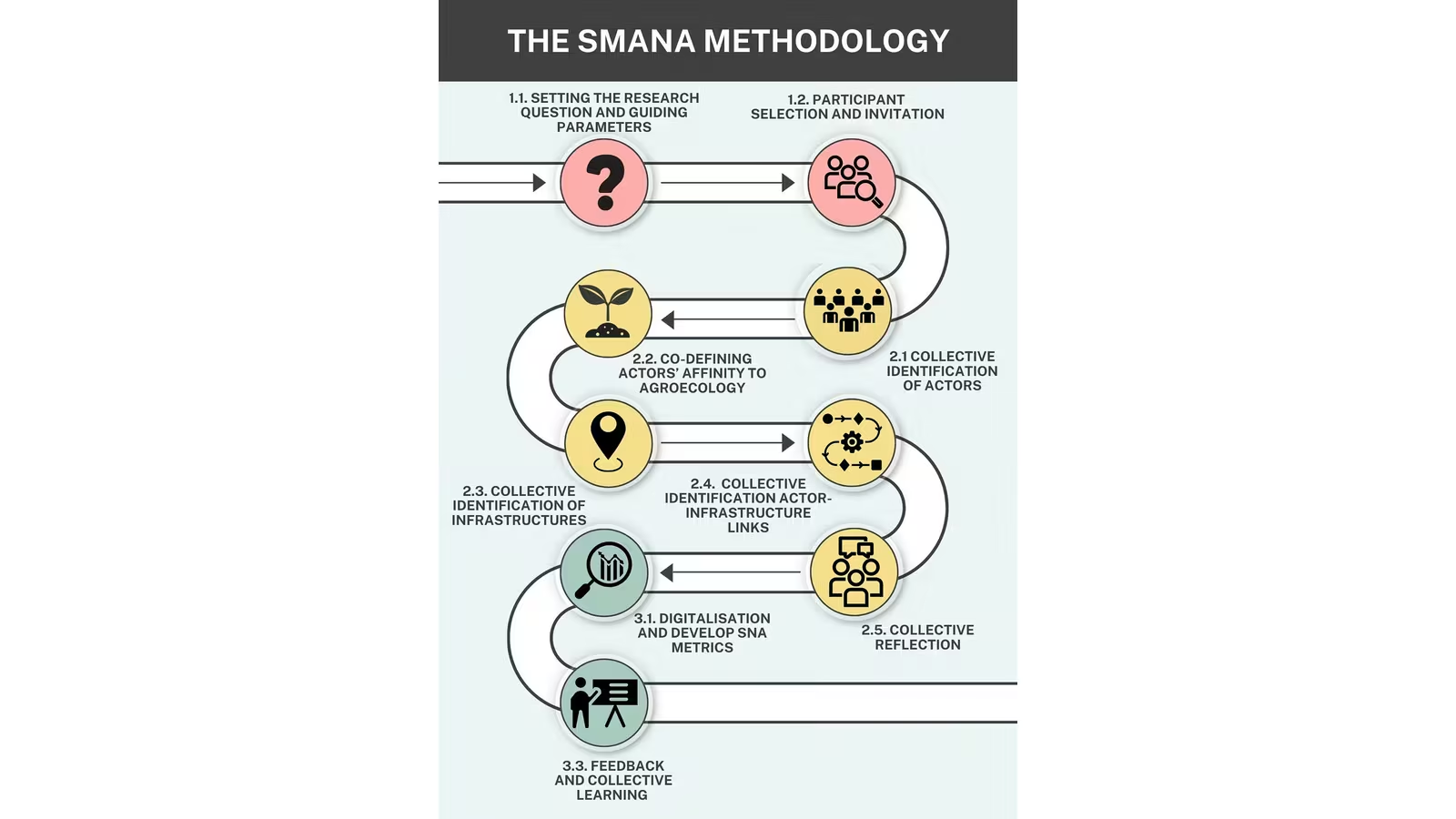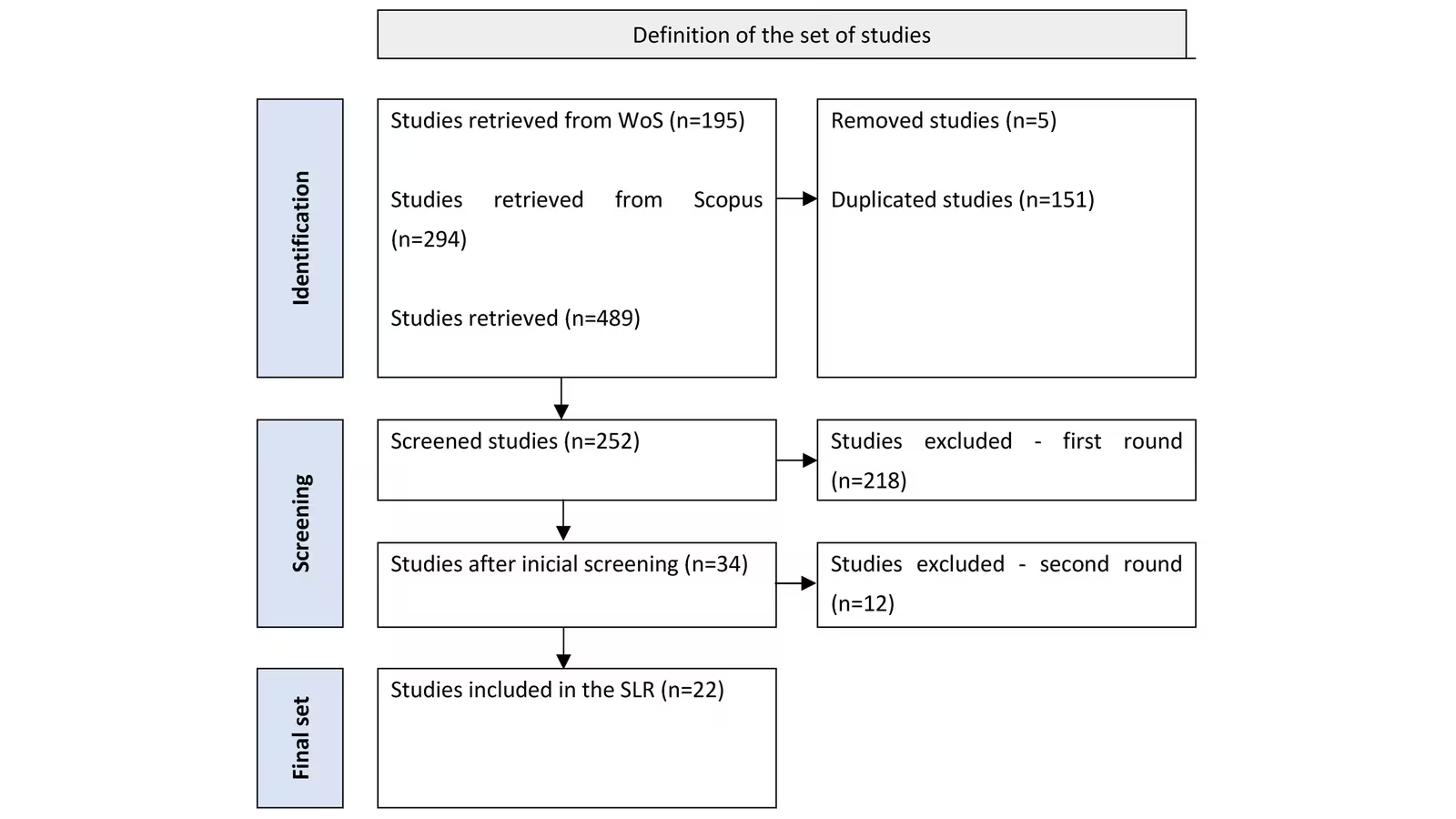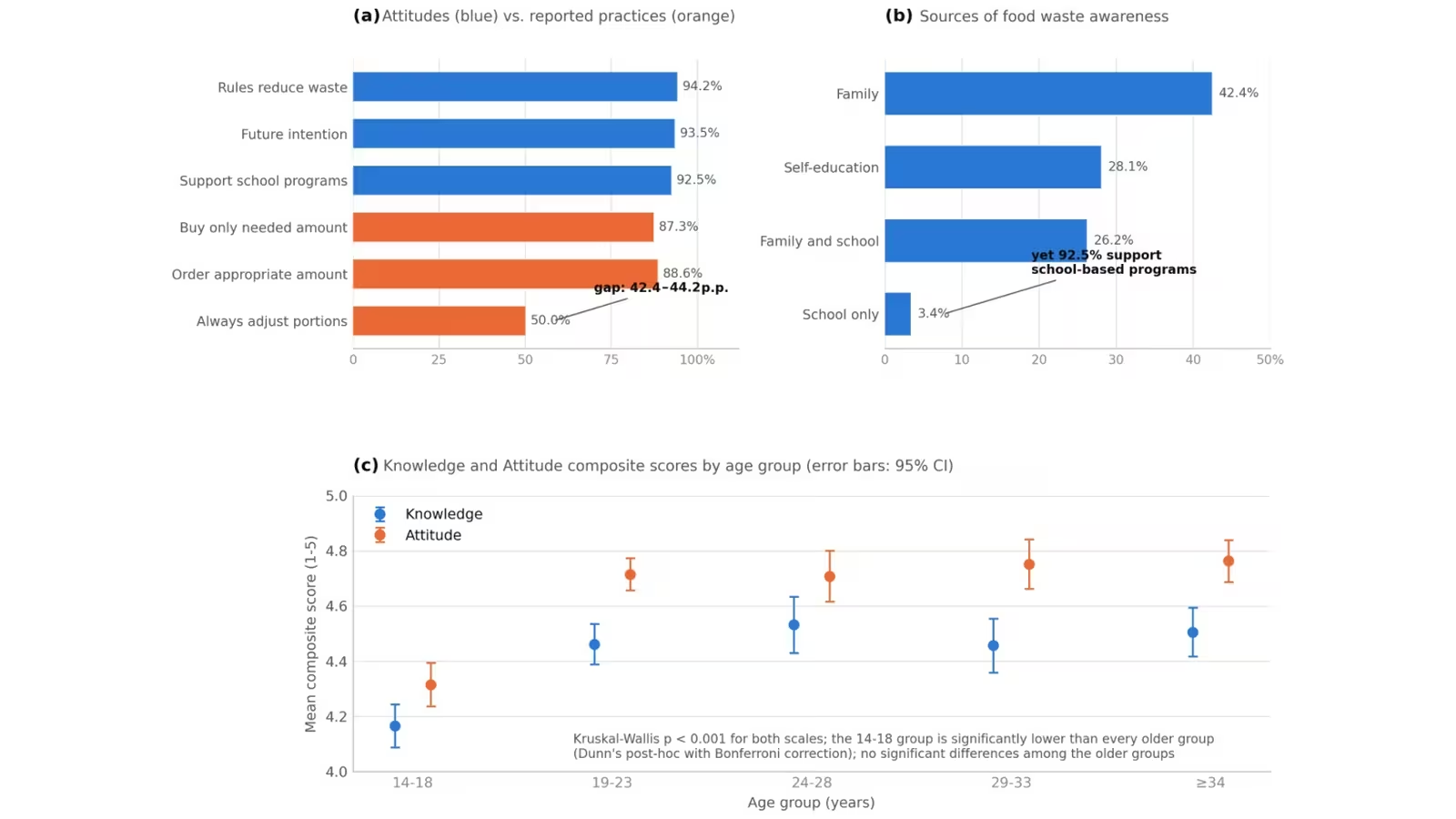
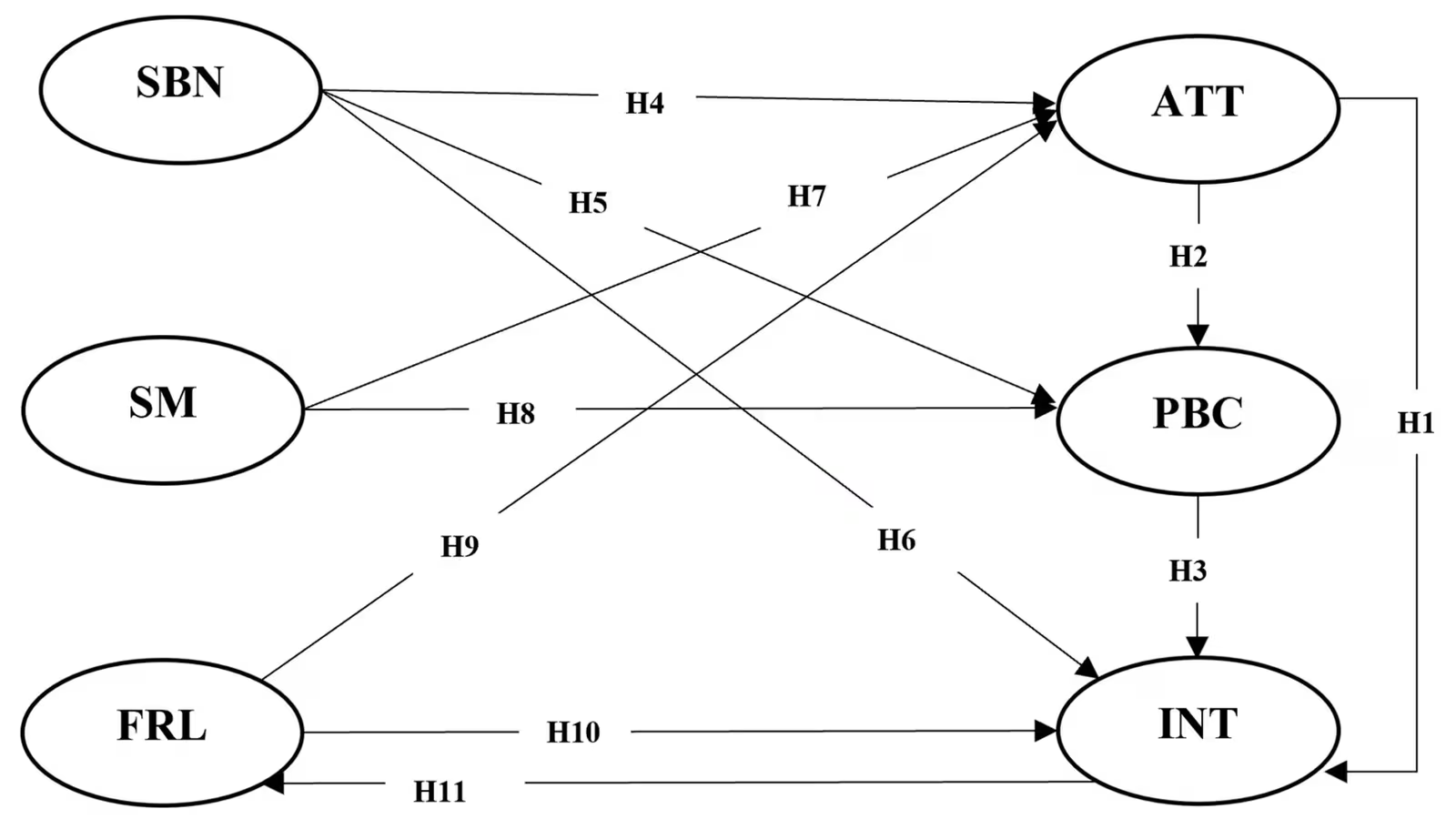
Household food waste represents a major environmental, economic and social challenge, particularly in developing countries where empirical evidence remains limited. To address this gap, this study extends the Theory of Planned Behavior (TPB) by simultaneously incorporating sustainable marketing and food-related lifestyle, providing a more comprehensive framework for explaining consumers' intentions to reduce household food waste in the Tunisian context.
What the research examined
Data were collected through a survey of 919 consumers across four Tunisian cities and analyzed using a structural equation model. The results show that attitude is the strongest predictor of food waste reduction intention, while subjective norms influence intention indirectly through attitude and perceived behavioral control.
What the findings mean
Sustainable marketing positively enhances both attitude and perceived behavioral control, whereas food-related lifestyle negatively affects attitude and behavioral intentions. The findings also indicate that stronger intentions to reduce food waste could encourage more sustainable food-related lifestyles. By integrating marketing, sensory and social meal lifestyle-related determinants into the TPB framework, this study advances understanding of household food waste behavior in an under-researched developing country context and provides practical insights for designing interventions that combine awareness raising with food management practices to promote sustainable household consumption.
Study authors: Yangui A, Ouertani E, Gandouzi G.. This report is based on the openly licensed abstract and source record and has been formatted for newsroom reading.
Foods (Basel, Switzerland)
https://europepmc.org/articles/PMC13512452This report is prepared from the public source listed above for news and industry-information purposes. Original research, text, trademarks and images remain with their authors and rights holders; open material is used under the licence identified by its source. Rights holders may contact rights@asiafoodtimes.com with evidence of ownership, and verified concerns will be corrected or removed promptly. This article is not investment, legal, medical or nutrition advice.