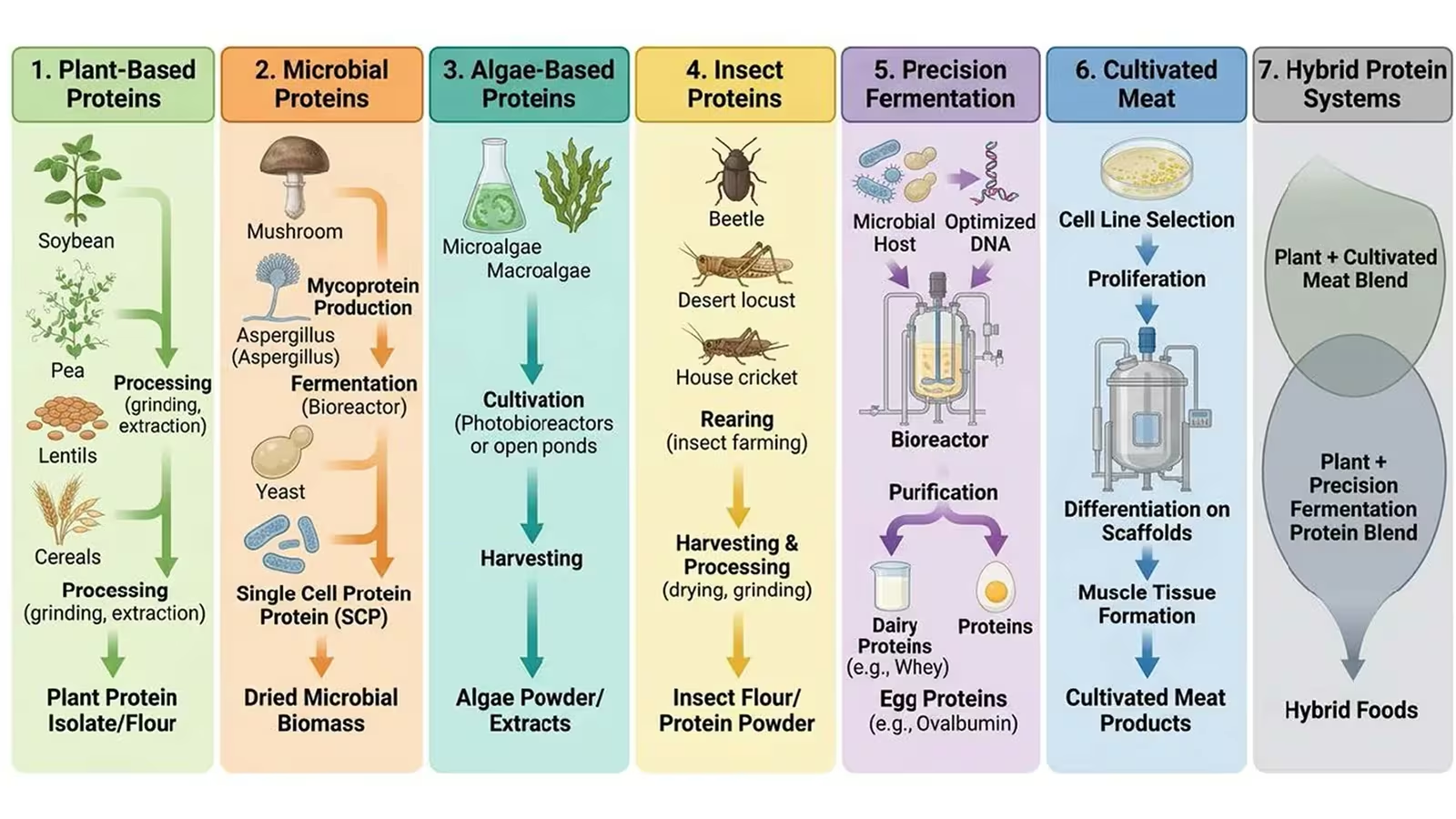
The global food system is under growing strain to deliver sufficient high-quality protein for a rising population, while curbing environmental degradation, tackling climate change, and maintaining long-term food security. Conventional livestock production is a major source of greenhouse gas emissions, excessive land and water use, and biodiversity loss, which has boosted demand for sustainable alternative proteins such as plant-based, microbial, algal, insect, fermented, and cultivated meat products.
What the research examined
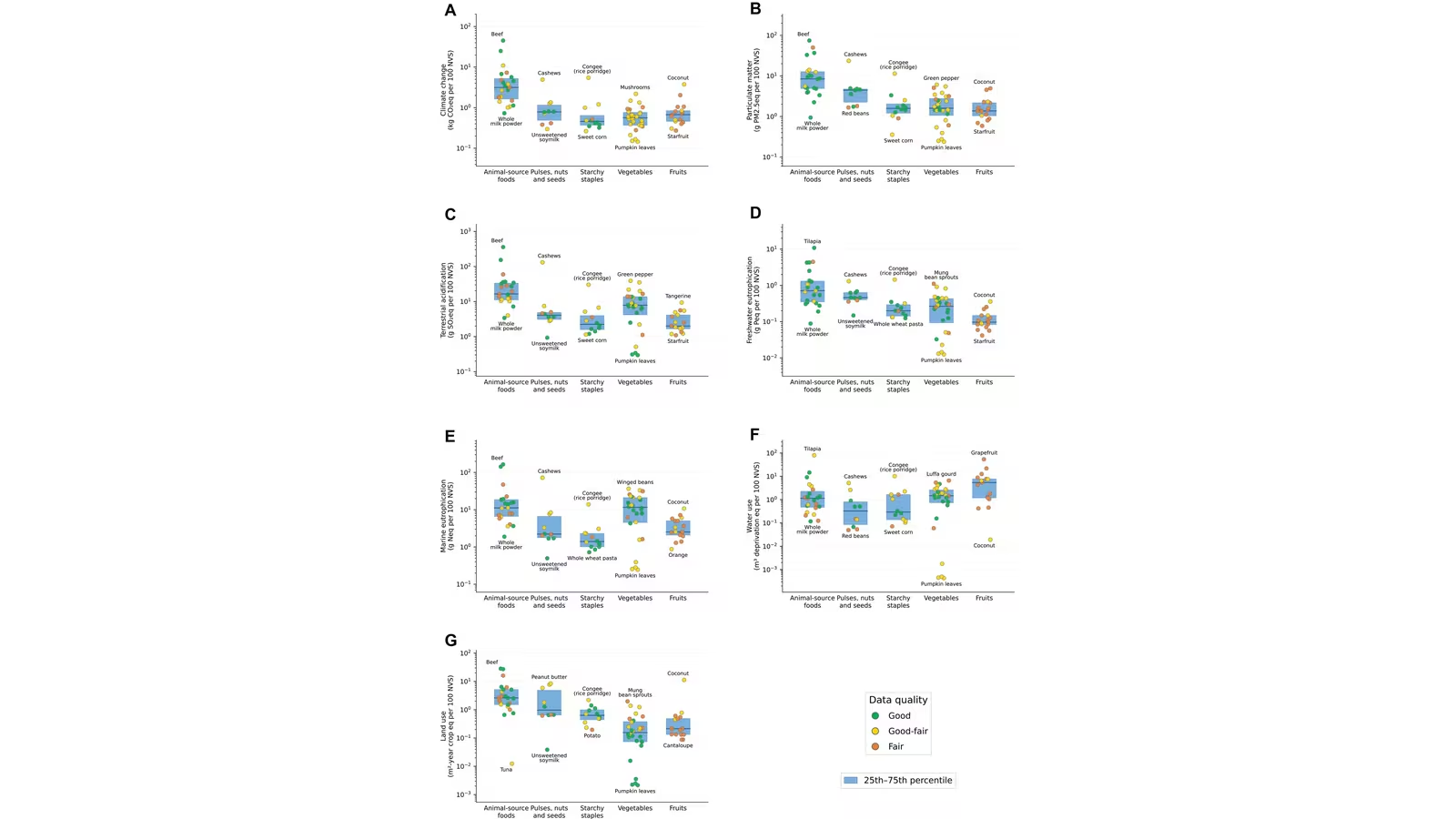
This multidisciplinary review comprehensively assesses these emerging protein sources across nutrition, environmental performance, and consumer acceptance. It evaluates their amino acid composition, protein digestibility, micronutrient density, and health effects, and quantifies their environmental impacts using life cycle assessment indicators. Noticeable trade-offs in processing intensity, energy consumption, and production scalability are also discussed.
What the findings mean
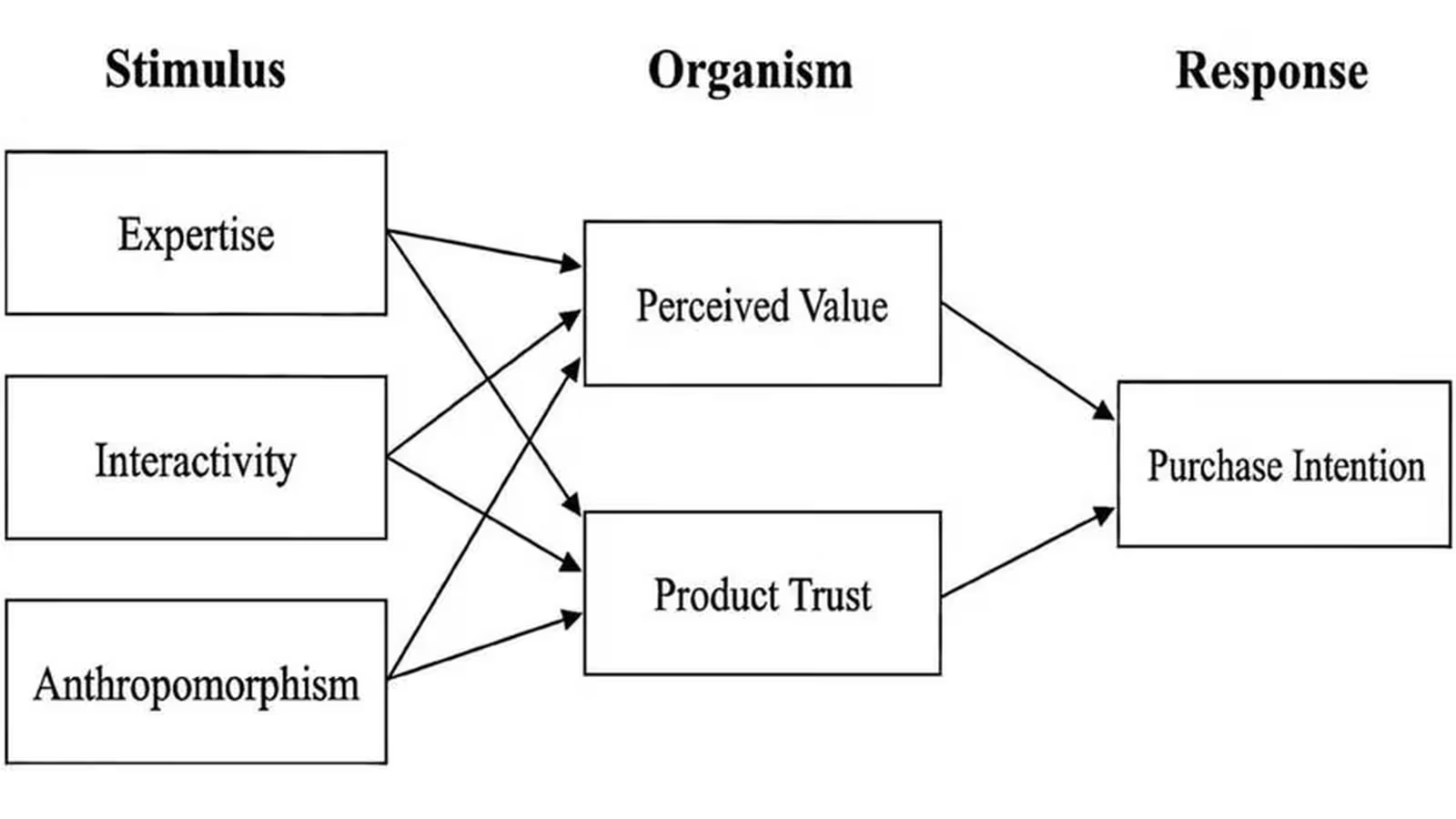
Key factors shaping consumer adoption, including sensory traits, cultural perceptions, affordability, and food neophobia, are analyzed. This study further explores technological advances, circular economy strategies, regulatory updates, and policy support for protein transition, identifies critical research gaps, and proposes an integrated multi-dimensional evaluation framework. The findings provide practical guidance for researchers, industrial practitioners, and policymakers to build resilient, equitable, and eco-friendly protein systems benefiting both human and planetary health.
Study authors: Ali S, Ali B, Ahmad K, Zhang L, Jamal QMS.. This report is based on the openly licensed abstract and source record and has been formatted for newsroom reading.
Frontiers in nutrition
https://europepmc.org/articles/PMC13501977This report is prepared from the public source listed above for news and industry-information purposes. Original research, text, trademarks and images remain with their authors and rights holders; open material is used under the licence identified by its source. Rights holders may contact rights@asiafoodtimes.com with evidence of ownership, and verified concerns will be corrected or removed promptly. This article is not investment, legal, medical or nutrition advice.