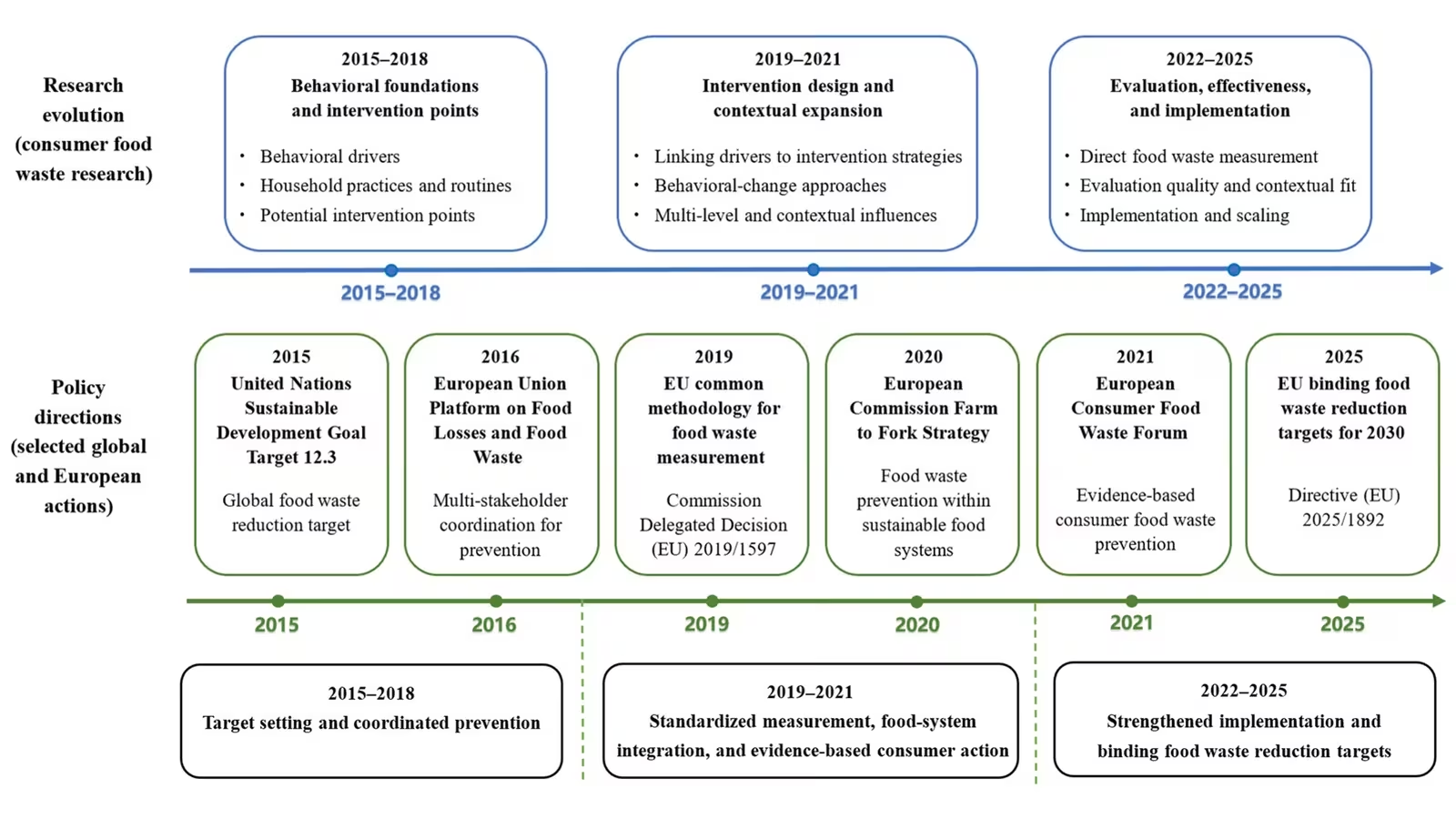
Consumer food waste is a major challenge for food system sustainability and a governance problem that cannot be addressed by individual behavioral change alone. Previous reviews have examined the causes of food waste or evaluated specific intervention strategies, but less attention has been paid to how behavioral drivers, intervention strategies, and the roles of governance actors can be examined within an integrated analytical framework. Against this background, this review aims to synthesize the behavioral drivers of consumer food waste, classify the main types of behavioral interventions, and develop a multi-level governance perspective that connects these elements.
What the research examined
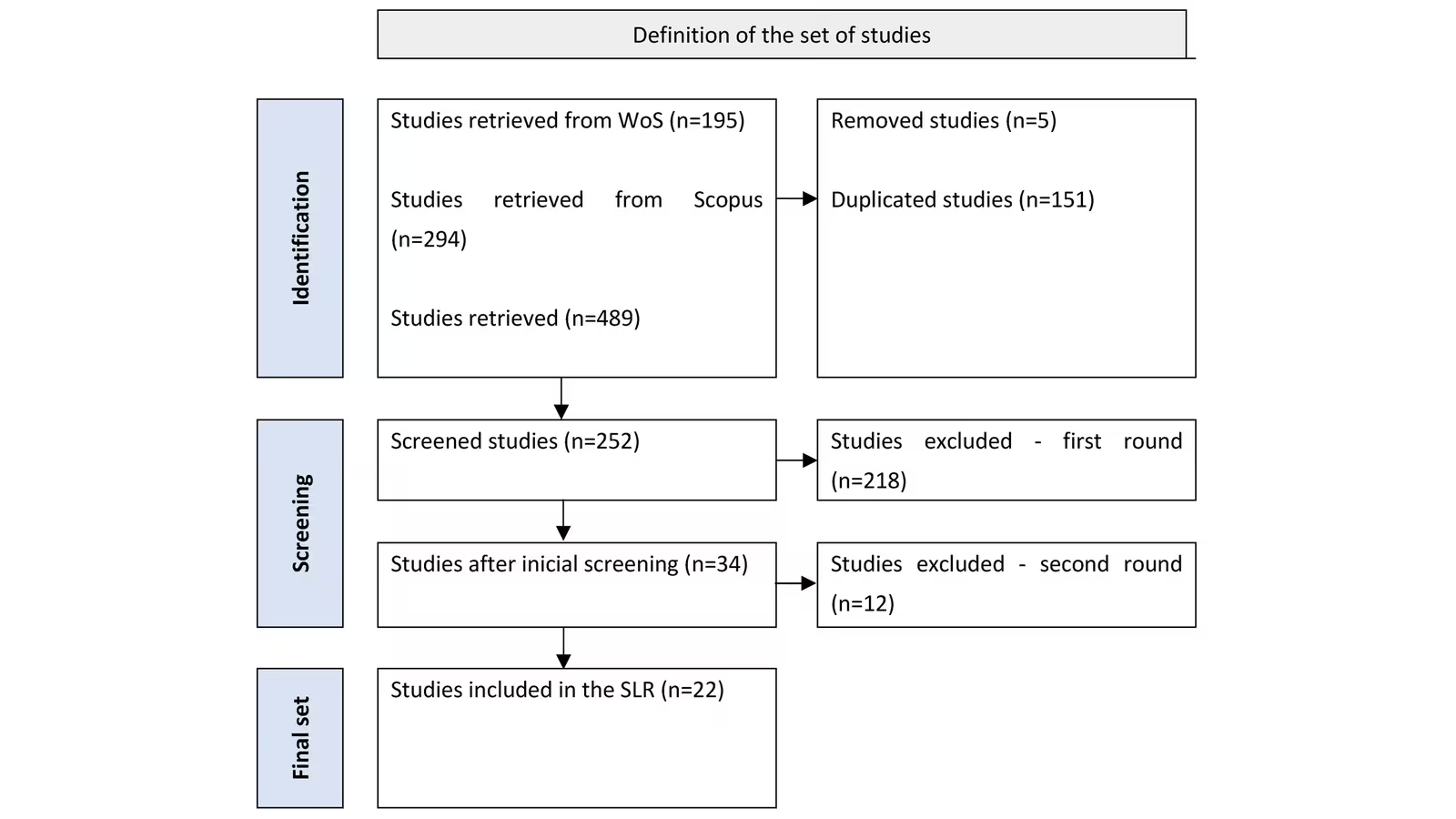
Using a narrative review approach supported by a structured literature search, the review identifies three broad categories of behavioral drivers, namely cognitive biases, motivational drivers, and environmental and situational influences. It then classifies behavioral interventions into five types, namely information-based interventions, social norm interventions, choice architecture and environmental design interventions, incentive-based interventions, and education and capacity-building interventions. The review indicates that no single intervention type is likely to be effective across all settings.
What the findings mean
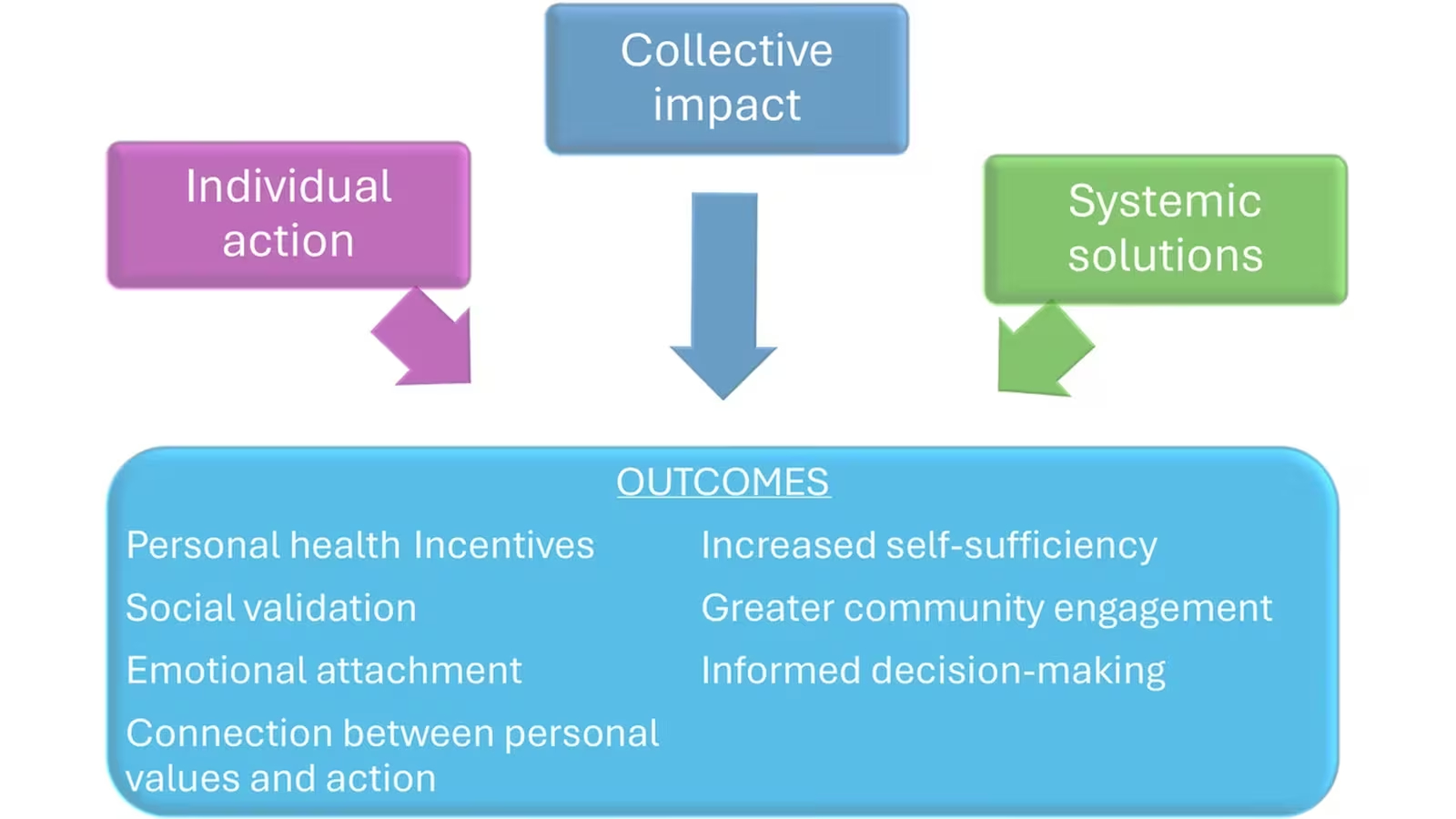
Instead, intervention outcomes are closely linked to the alignment among targeted behavioral drivers, intervention strategies, consumption contexts, and governance support. From a multi-level governance perspective, this review views consumers as the actors engaged in everyday food-related practices, businesses as the designers of the consumption environments and operational routines, and policymakers as the providers of institutional, informational, and economic support. By bringing behavioral drivers, intervention strategies, and governance roles into a shared analytical framework, this review moves beyond fragmented, individual-centered approaches to reducing consumer food waste. The framework suggests that food waste reduction efforts may be more effectively implemented and maintained when consumer practices, business environments, and policy conditions are mutually supportive.
Study authors: Zhao X, Zhang Z.. This report is based on the openly licensed abstract and source record and has been formatted for newsroom reading.
Foods (Basel, Switzerland)
https://europepmc.org/articles/PMC13512509This report is prepared from the public source listed above for news and industry-information purposes. Original research, text, trademarks and images remain with their authors and rights holders; open material is used under the licence identified by its source. Rights holders may contact rights@asiafoodtimes.com with evidence of ownership, and verified concerns will be corrected or removed promptly. This article is not investment, legal, medical or nutrition advice.