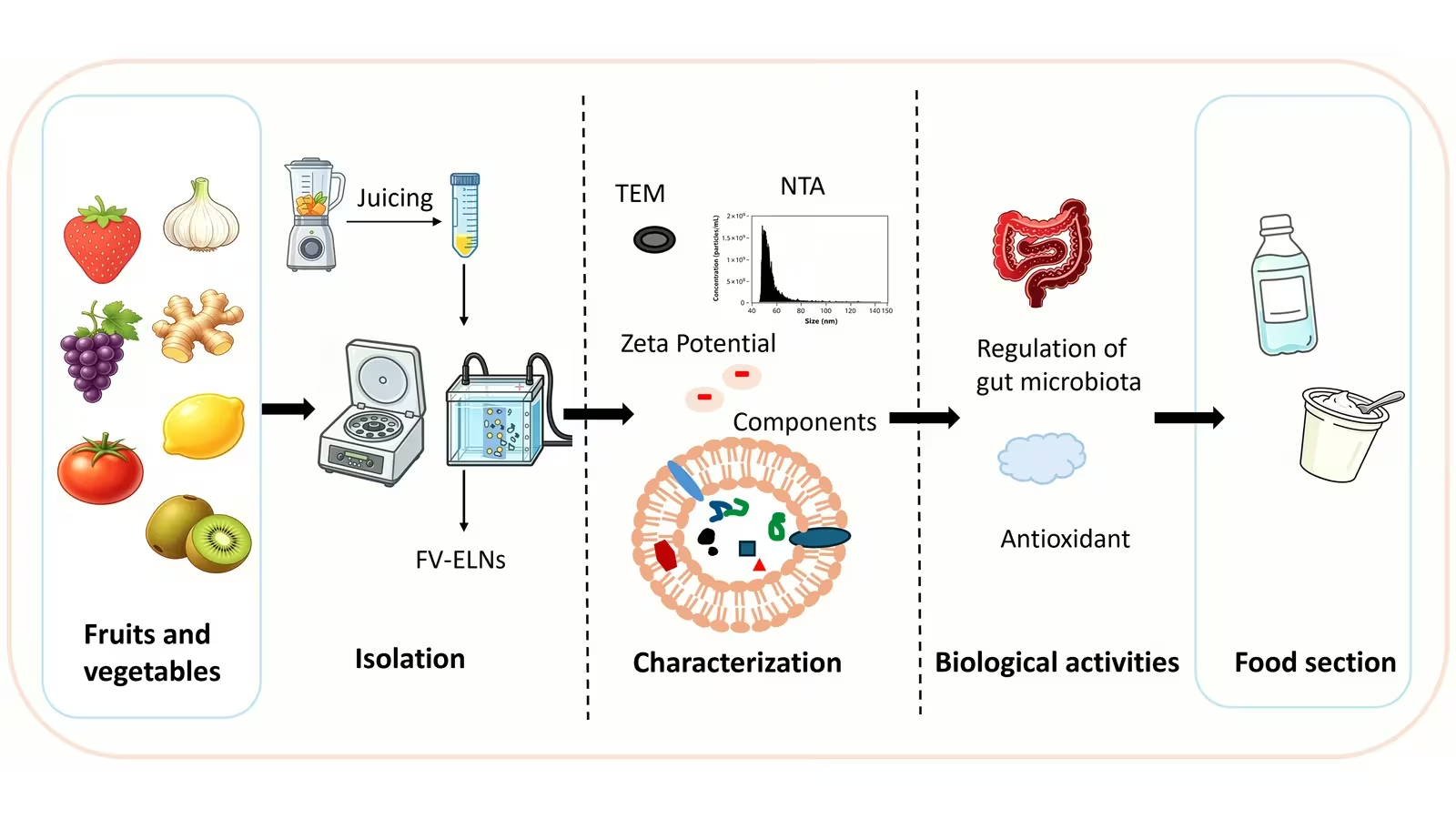
Fruit- and vegetable-derived exosome-like nanovesicles (FV-ELNs) are nanovesicles characterized by a lipid bilayer membrane that encloses a diverse array of biologically active constituents, including proteins, lipids, nucleic acids, and small-molecule bioactive compounds.
What the research examined
FV-ELNs have attracted considerable research interest in recent years due to their favorable biocompatibility and natural origin. The bioactive cargo encapsulated within these vesicles confers a range of pharmacological activities, encompassing anti-inflammatory, gut microbiota-modulating, and antioxidant effects, suggesting their potential for applications in food preservation, functional food development, and bioactive compound delivery.
What the findings mean
This review presents the current methods for isolation and characterization of FV-ELNs, their compositional features, and bioactivities, as well as the potential for food-industry applications. Moreover, the challenges and future directions are also addressed, offering an updated perspective on their role as natural complements to synthetic agents in functional foods and dietary interventions.
Study authors: Nie Y, Li N, Zhu HT, Zhang YJ.. This report is based on the openly licensed abstract and source record and has been formatted for newsroom reading.
Foods (Basel, Switzerland)
https://europepmc.org/articles/PMC13605979This report is prepared from the public source listed above for news and industry-information purposes. Original research, text, trademarks and images remain with their authors and rights holders; open material is used under the licence identified by its source. Rights holders may contact rights@asiafoodtimes.com with evidence of ownership, and verified concerns will be corrected or removed promptly. This article is not investment, legal, medical or nutrition advice.