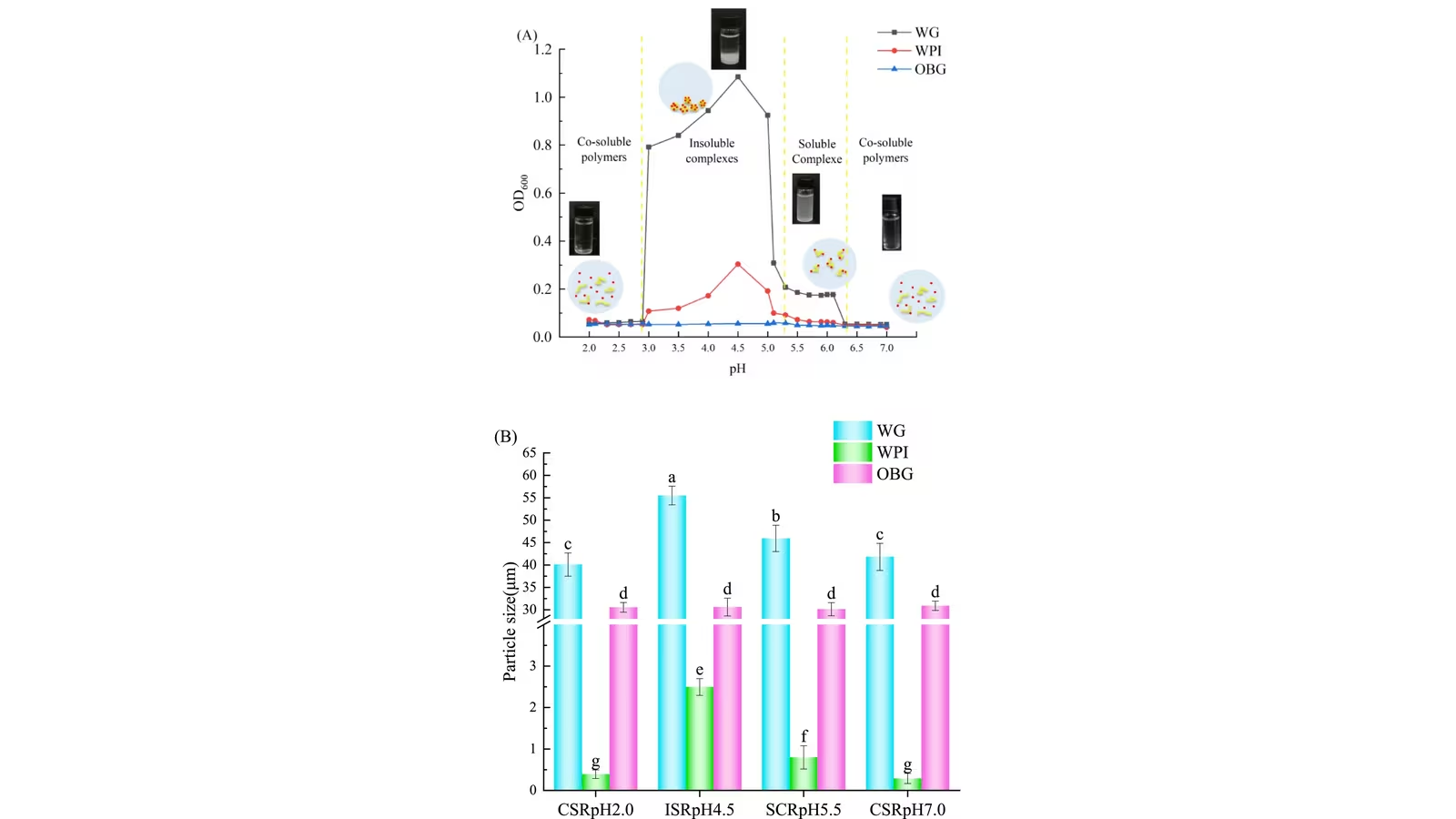
This study aimed to elucidate the differences in functional and bioactive properties of whey protein isolate(WPI)-oat beta-glucan(OBG) mixed system during pH-induced phase transition. Four representative phase regions were identified, including co-soluble region at pH 2.0 (CSRpH2.0), soluble complex region at pH5.5 (SCRpH5.5), and insoluble complex region at pH 4.5 (ISRpH4.5) and co-soluble region at pH 7.0 (CSRpH7.0).
What the research examined
The WPI-OBG mixture (WG) in CSRpH2.0 had the highest content of irregular secondary structures compared to the other phase regions. WG in SCRpH5.5 possessed higher foaming and emulsifying properties than that in ISRpH4.5.
What the findings mean
Compared with other phase regions, WG in CSRpH2.0 exhibited superior in vitro bioactivity. The principal component analysis showed WG in CSRpH2.0 had the highest comprehensive scores compared with those in other phase regions. The elucidation of differences in functionality and bioactive properties among protein-polysaccharide complexes from different phase regions provide a key theoretical basis for their targeted application in food industry.
Study authors: Xu H, Mu Z, Wang H, Wen X, Hu J, Jiang Z, Gantumur MA.. This report is based on the openly licensed abstract and source record and has been formatted for newsroom reading.
Food chemistry: X
https://europepmc.org/articles/PMC13572762This report is prepared from the public source listed above for news and industry-information purposes. Original research, text, trademarks and images remain with their authors and rights holders; open material is used under the licence identified by its source. Rights holders may contact rights@asiafoodtimes.com with evidence of ownership, and verified concerns will be corrected or removed promptly. This article is not investment, legal, medical or nutrition advice.