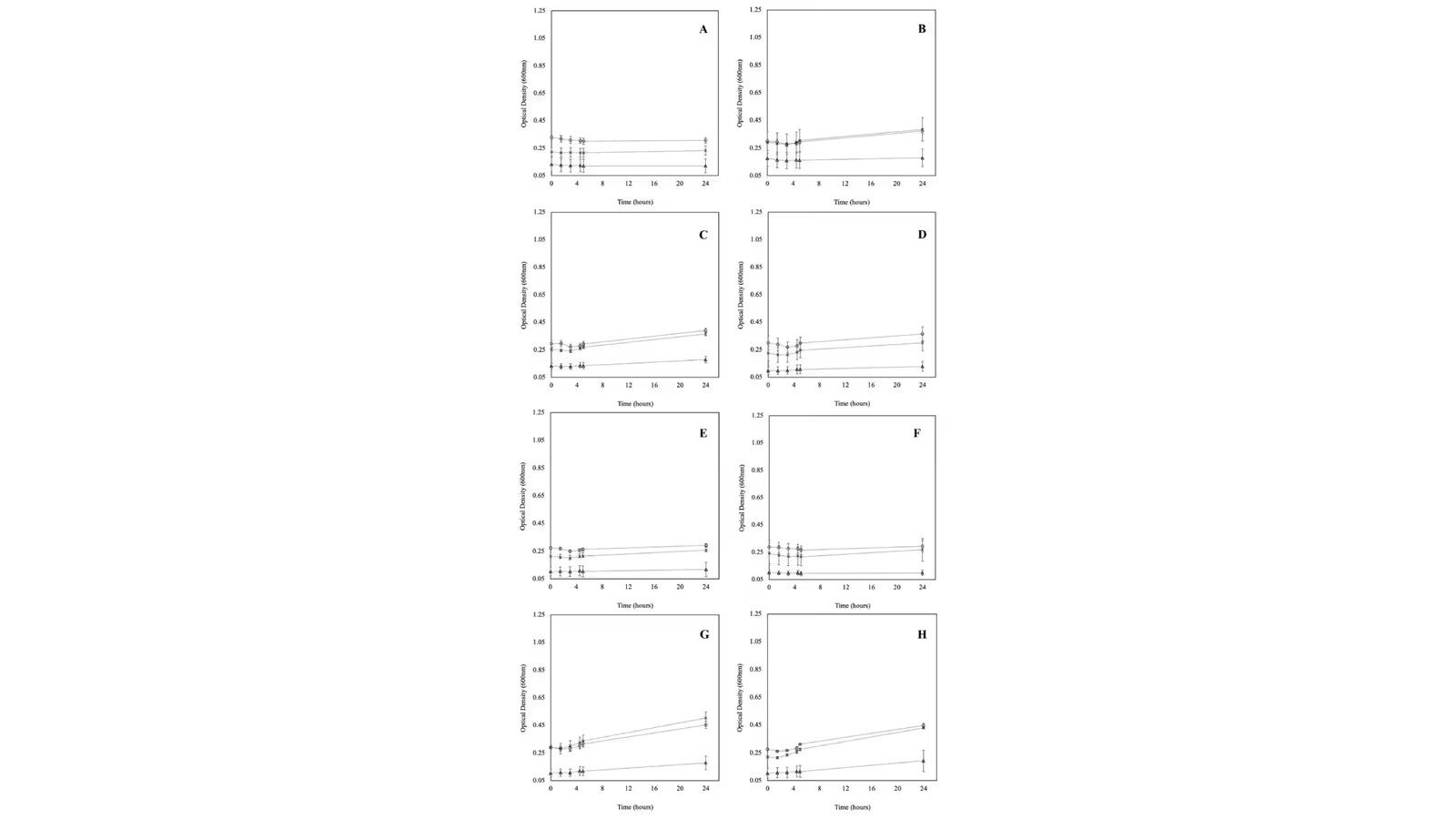
This study evaluated the effects of incorporating potential probiotic strains into Italian-style salami. Three lactic acid bacteria (LAB) strains were tested, including the commercial strain Pediococcus pentosaceus co-cultured with Staphylococcus xylosus (C), as well as the LAB strains Lacticaseibacillus paracasei (GV17), Lactococcus lactis (GV103), and Pediococcus pentosaceus (PP). Preliminary tests were conducted to assess the behavior of these strains under different pH values, NaCl concentrations, and preservative conditions.
What the research examined
C, GV17, and GV103 exhibited greater viability at pH 5.0 and 5.5, while a 2% NaCl concentration promoted higher LAB growth rates. The addition of preservatives did not inhibit LAB growth. Weight loss during ripening was gradual and became significant from day 12 onward. GV17 and PP exhibited water activity values above 0.90, whereas all four formulations reached moisture contents below 35% and LAB counts above 8.00 log CFU/g after 25 days of ripening.
What the findings mean
After 45 days of storage, the LAB count in the GV17 formulation was 6.27 log CFU/g. PP exhibited the lightest internal color among the salami formulations, whereas red intensity was similar across all formulations. The use of autochthonous LAB strains significantly reduced hardness and chewiness. Overall, the new LAB strains demonstrated potential for the development of functional meat products, expanding opportunities for innovation in the food sector.
Study authors: Campos MEC, Campos BBC, Costa IM, Correia VTDV, Barbosa CD, Gomes JEG, Mateus LBO, Golo ACNC, Costa TJN, Moraes BLF, da Silva WA, Pires CV, Rossi GAM, Dias CB, Souza BMS.. This report is based on the openly licensed abstract and source record and has been formatted for newsroom reading.
Foods (Basel, Switzerland)
https://europepmc.org/articles/PMC13565346This report is prepared from the public source listed above for news and industry-information purposes. Original research, text, trademarks and images remain with their authors and rights holders; open material is used under the licence identified by its source. Rights holders may contact rights@asiafoodtimes.com with evidence of ownership, and verified concerns will be corrected or removed promptly. This article is not investment, legal, medical or nutrition advice.