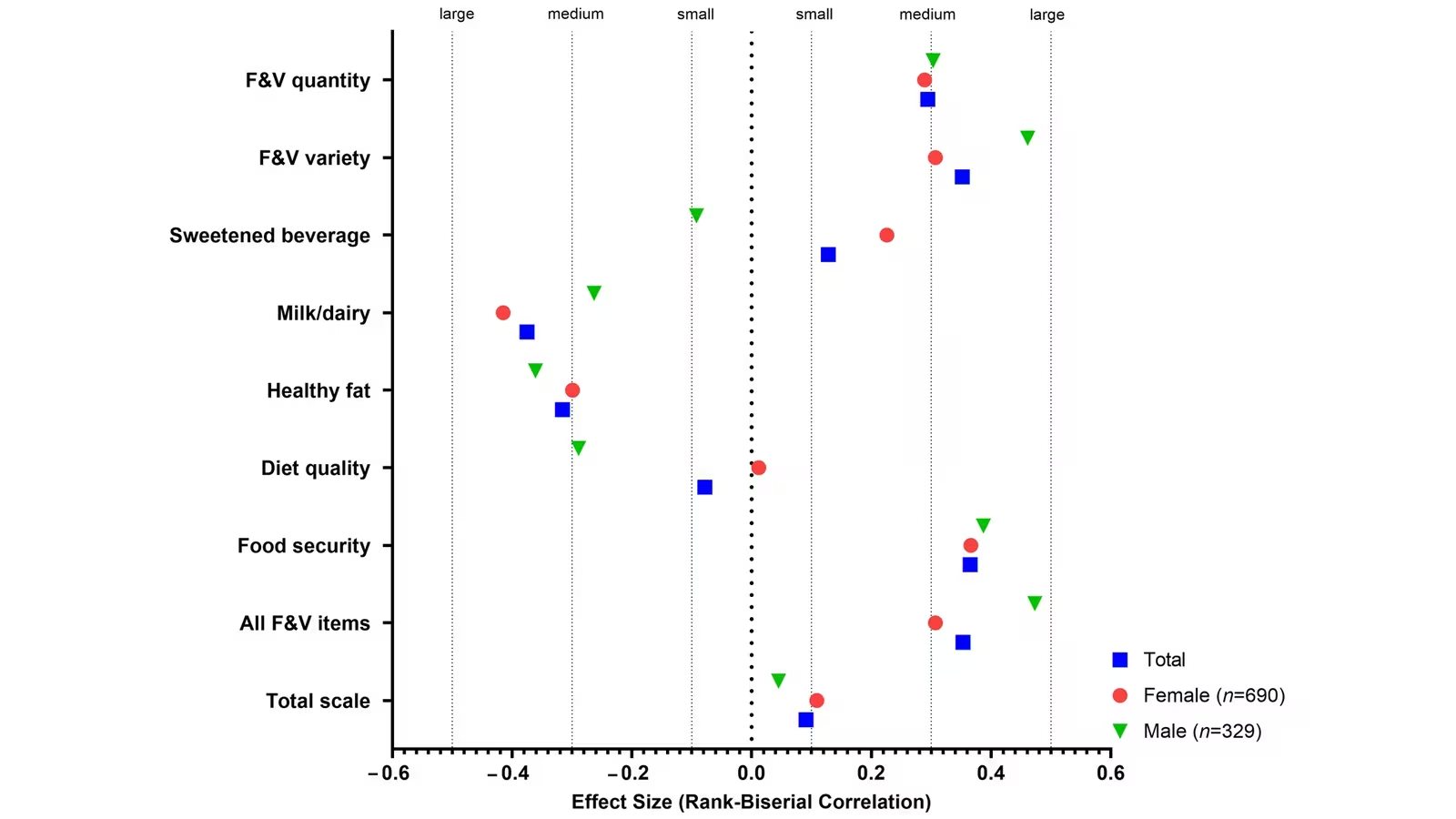
Background/Objectives : Food behaviors in the general population and among adolescents during the COVID-19 pandemic have been well documented through numerous comparisons with the pre-pandemic period, but the post-pandemic situation has not yet been sufficiently described. The aim of this study was to compare post-pandemic vs. pandemic food behaviors in a national sample of Polish adolescents within the framework of the PLACE-19 Study.
What the research examined
Methods : A population of n = 1019 secondary school adolescents recruited based on a quota sampling of Polish secondary schools was included in the analysis ( n = 690 female, n = 329 male). Data were gathered using the Computer-Assisted Web Interview (CAWI) technique, and food behaviors were assessed using the Food Behavior Checklist (FBC). Analyses were conducted for the fruit and vegetable quantity, fruit and vegetable variety, sweetened beverage, milk/dairy, healthy fat, diet quality, and food security subscales, as well as questions related to fruit and vegetable and total scale.
What the findings mean
Results : In the total studied population as well as in subgroups of female and male individuals, higher scores were observed in the post-pandemic period than in the pandemic period for the fruit and vegetable quantity subscale ( p p p p p p = 0.0114), with females more frequently presenting total FBC score improvement than males (44.9% vs. Conclusions : Food behaviors among adolescents changed after the COVID-19 pandemic, which may be related to both internal factors (including the level of experienced stress) and external factors (including exposure to peers). The novel situation observed in the post-pandemic period may warrant further analysis to determine whether these pandemic-associated changes will persist and to identify potential new challenges.
Study authors: Guzek D, Skolmowska D, Głąbska D.. This report is based on the openly licensed abstract and source record and has been formatted for newsroom reading.
Nutrients
https://europepmc.org/articles/PMC13610184This report is prepared from the public source listed above for news and industry-information purposes. Original research, text, trademarks and images remain with their authors and rights holders; open material is used under the licence identified by its source. Rights holders may contact rights@asiafoodtimes.com with evidence of ownership, and verified concerns will be corrected or removed promptly. This article is not investment, legal, medical or nutrition advice.