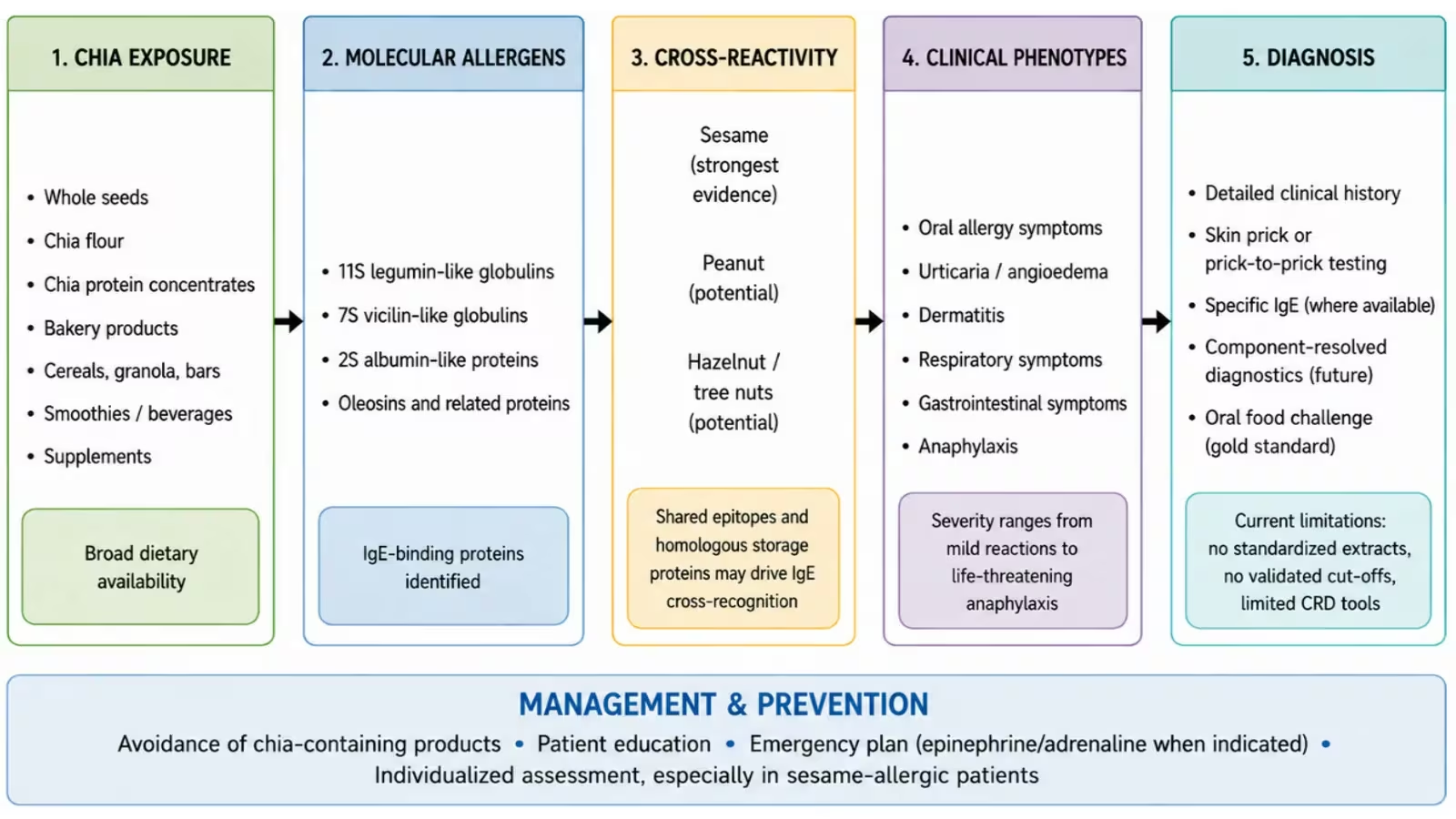
Chia seed ( Salvia hispanica L.) is increasingly incorporated into contemporary foods, yet its allergenic potential remains poorly characterized. Published clinical evidence is limited to a small number of case reports, conference reports, and one case series describing immediate IgE-mediated reactions, cutaneous manifestations, and anaphylaxis.
What the research examined
Molecular studies have identified candidate allergenic protein families, including 2S albumins, 7S vicilin-like globulins, 11S legumin-like globulins, and oleosins, and have demonstrated IgE recognition and potential cross-reactivity, particularly with sesame. However, molecular cross-recognition does not establish clinically relevant cross-allergy. This structured narrative review synthesizes the available clinical and molecular evidence regarding chia seed allergy, with emphasis on clinical manifestations, candidate allergens, chia-sesame cross-reactivity, diagnosis, and major knowledge gaps.
What the findings mean
Current evidence supports chia as a potential emerging food allergen but is insufficient to determine prevalence, natural history, reaction thresholds, or individual risk. Standardized diagnostic extracts, validated specific IgE thresholds, component-resolved diagnostics, and chia-specific oral food challenge protocols are currently lacking. Prospective clinical studies and further molecular characterization are required to establish the true clinical significance of chia seed allergy.
Study authors: Porr C, Vidrighin A, Catana AC, Preda EM, Iovin VC, Iancu GM, Harris DM, Diaconu C.. This report is based on the openly licensed abstract and source record and has been formatted for newsroom reading.
Nutrients
https://europepmc.org/articles/PMC13610422This report is prepared from the public source listed above for news and industry-information purposes. Original research, text, trademarks and images remain with their authors and rights holders; open material is used under the licence identified by its source. Rights holders may contact rights@asiafoodtimes.com with evidence of ownership, and verified concerns will be corrected or removed promptly. This article is not investment, legal, medical or nutrition advice.

![Effects of Colchicine Treatment on Bioactive Compounds and Structural Characteristics of the Epidermis and Cortex of Edible Cactus [ Opuntia ficus-indica (L.) Mill.] Cladodes at Different Maturity Stages.](/media/50bd05bc3790beaccba597aebf5834600d29f4db96ee4a7259db469ff512ec16)