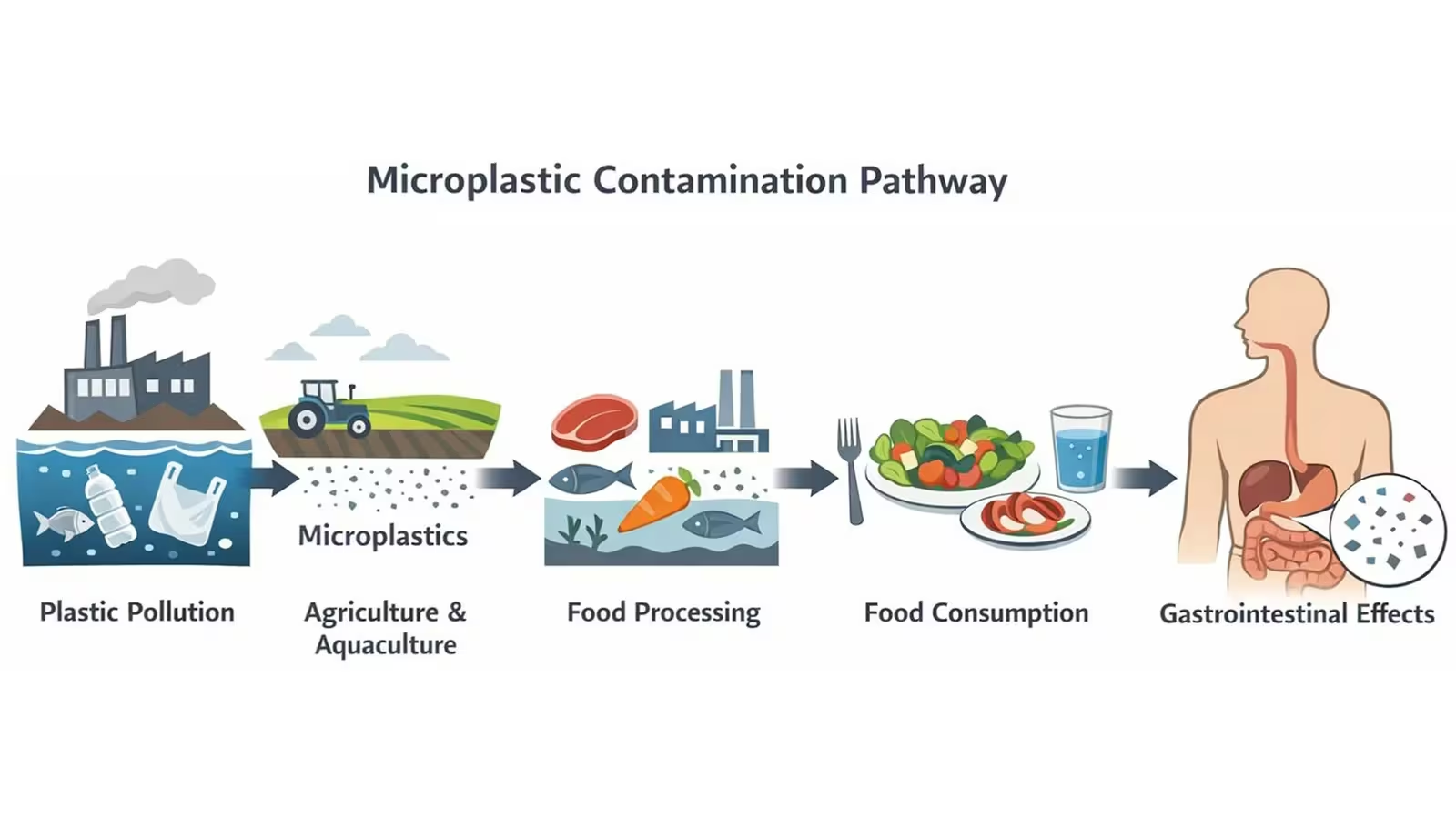
Microplastics (MPs) and nanoplastics (NPs) have become ubiquitous contaminants in food production systems, raising increasing concerns regarding their potential effects on gastrointestinal and systemic health. This review summarizes current evidence on the occurrence, sources, and biological effects of MPs/NPs within food production chains and their implications for the human gut.
What the research examined
Experimental in vitro studies demonstrate that MPs/NPs can induce oxidative stress, inflammation, genotoxicity, metabolic dysregulation, and epithelial barrier dysfunction, while in vivo animal studies show disruption of gut homeostasis, microbiota alterations, systemic translocation, and hepatic, metabolic, and immune disturbances. Co-exposure to environmental pollutants and food-associated chemicals may further enhance toxicity through synergistic mechanisms. Although human evidence remains limited, MPs have been detected in human tissues, including the liver, indicating the possibility of systemic exposure.
What the findings mean
Emerging evidence also suggests complex interactions between MPs/NPs and the gut microbiome, although the clinical significance of these findings remains uncertain. Therefore, current knowledge is derived predominantly from experimental models, and substantial uncertainties remain regarding human exposure levels, dose-response relationships, and long-term health consequences. Further well-designed human studies and standardized exposure assessment methods are essential to clarify the health risks associated with dietary MPs/NPs.
Study authors: Beyzaei Z, Weiskirchen R.. This report is based on the openly licensed abstract and source record and has been formatted for newsroom reading.
Current research in food science
https://europepmc.org/articles/PMC13581987This report is prepared from the public source listed above for news and industry-information purposes. Original research, text, trademarks and images remain with their authors and rights holders; open material is used under the licence identified by its source. Rights holders may contact rights@asiafoodtimes.com with evidence of ownership, and verified concerns will be corrected or removed promptly. This article is not investment, legal, medical or nutrition advice.