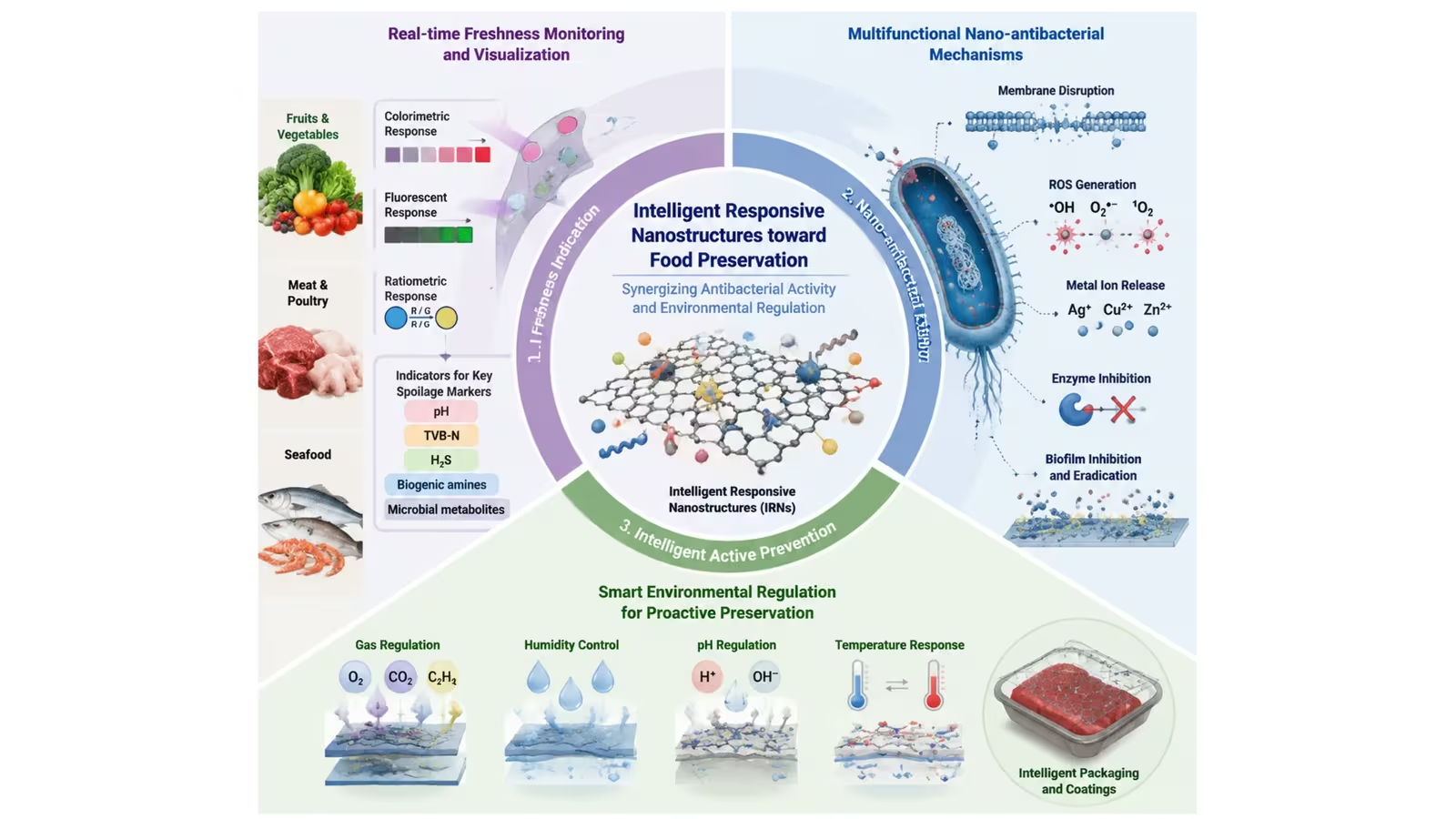
Global food spoilage precipitates monumental economic deficits and persistent public health risks, exposing the acute vulnerabilities of conventional passive preservation modalities reliant on energy-intensive refrigeration and synthetic additives. Intelligent responsive nanostructures (IRNs) offer a transformative paradigm for active food preservation.
What the research examined
This review elucidates how IRNs transcend conventional approaches through dual modulation of targeted antibacterial activity and microenvironmental dynamics. Freshness visualization technologies based on colorimetric and fluorescent responses to spoilage biomarkers are delineated.
What the findings mean
Subsequently, the hierarchical antibacterial mechanisms of IRNs are elaborated, encompassing physical membrane disruption, controlled ion release, reactive oxygen species (ROS) generation, and genetic interference. Crucially, we emphasize the synergistic strategies where lethal mechanisms are coupled with environmental regulation. The construction of active prevention systems is presented, alongside critical biosafety challenges toward sustainable nanoplatforms that autonomously maintain food quality from farm to fork.
Study authors: Yu J, Li H, Zou Y, Qiu L, Wu X, Zhang X.. This report is based on the openly licensed abstract and source record and has been formatted for newsroom reading.
Foods (Basel, Switzerland)
https://europepmc.org/articles/PMC13512148This report is prepared from the public source listed above for news and industry-information purposes. Original research, text, trademarks and images remain with their authors and rights holders; open material is used under the licence identified by its source. Rights holders may contact rights@asiafoodtimes.com with evidence of ownership, and verified concerns will be corrected or removed promptly. This article is not investment, legal, medical or nutrition advice.