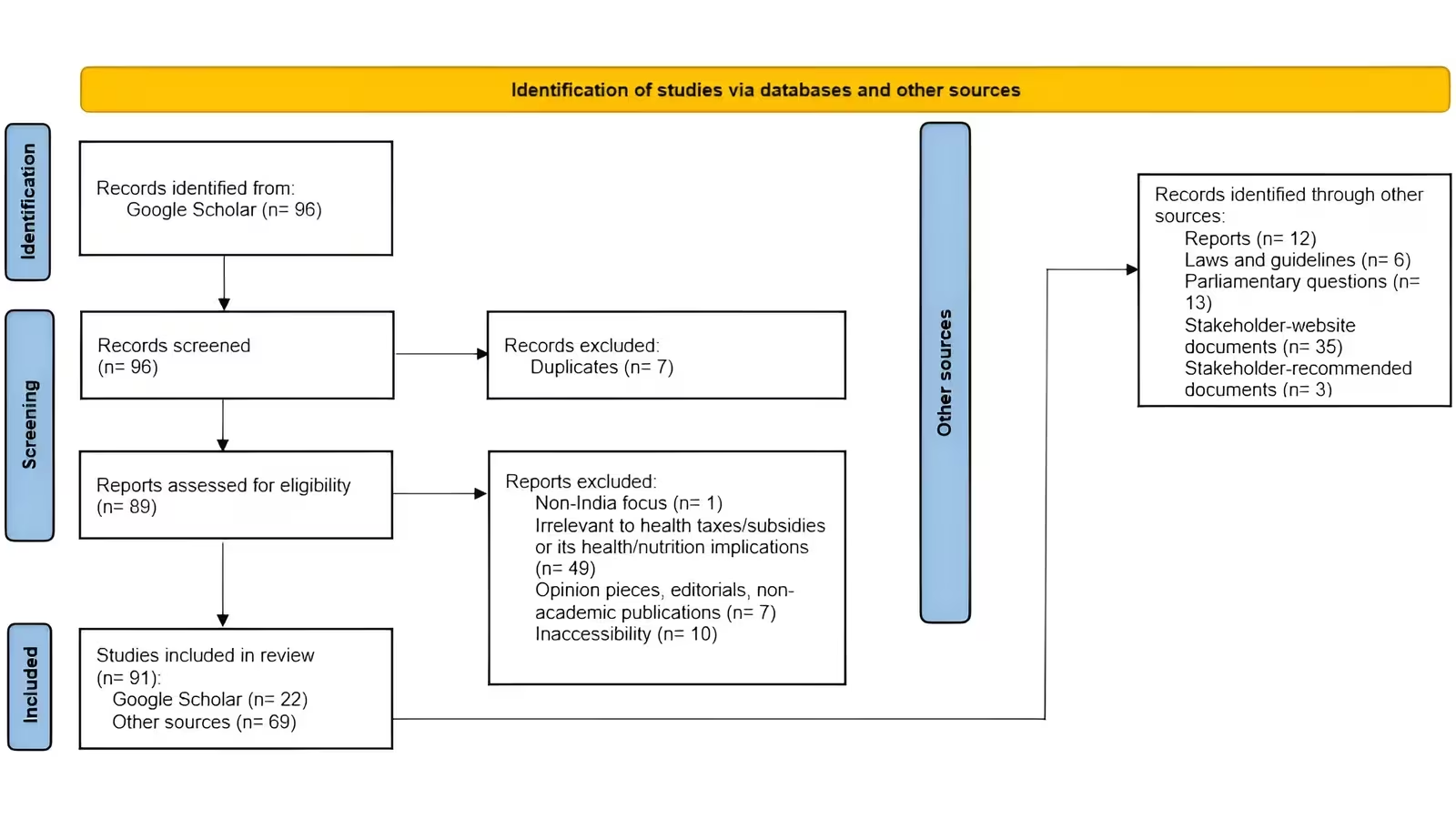
Fiscal policy tools are cost-effective for curbing unhealthy consumption, but unlike the extensively studied cases of tobacco and alcohol, the political economy of nutrition-based taxes and subsidies remains poorly understood in low- and middle-income countries. We examined the political economy of factors influencing the adoption and implementation of nutrition-based fiscal policies in India using a multi-method qualitative approach, combining a scoping review and key informant interviews. A policy triangle framework was used to identify the context, content, process, and actors affecting policy uptake.
What the research examined
Our findings reveal a highly fragmented and contested policy space, shaped by competing commercial, political, and public health interests. Current policies focus narrowly on addressing undernutrition and tend to exacerbate overnutrition. Aggressive industry marketing of processed foods, cultural dietary preferences, and socioeconomic inequities intersect with regulatory gaps, opaque fiscal frameworks, and a fragmented political landscape (inter-ministerial conflict, industry lobbying, and limited policy focus) to hinder policy progress.
What the findings mean
India's current tax structure nominally taxes processed foods, but definitional ambiguities and loopholes-such as manufacturers circumventing higher tax slabs by adding minimal fruit content-undermine policy effectiveness. Nutrition-based food subsidies remain skewed towards staple crops and sugar, with fruits, vegetables, and other nutrient-rich foods lacking fiscal support to increase consumption. Fiscal policy acceptance can be improved by earmarking health tax revenue for nutrition programmes, incentivizing healthier product innovation to lower costs, and implementing targeted food subsidies to reduce undernutrition. Advancing nutrition fiscal policy in India is as much a political and institutional challenge as a technical one, hinging on clearer, nutrition-aligned tax definitions, stronger coordination between revenue- and health-focused actors, and targeted subsidies for nutritious foods.
Study authors: Summan A, Samria D, Dutta S, Laxminarayan R.. This report is based on the openly licensed abstract and source record and has been formatted for newsroom reading.
Health policy and planning
https://europepmc.org/articles/PMC13586620This report is prepared from the public source listed above for news and industry-information purposes. Original research, text, trademarks and images remain with their authors and rights holders; open material is used under the licence identified by its source. Rights holders may contact rights@asiafoodtimes.com with evidence of ownership, and verified concerns will be corrected or removed promptly. This article is not investment, legal, medical or nutrition advice.