Food Dive reported the development on 2025-07-10. The Trump administration's trade policy stands to raise prices for vanilla, cinnamon and dozens of other flavoring ingredients used in food manufacturing.
The report places the news in a wider commercial context. The global spice market is feeling the heat from President Donald Trump's tariff policy. Tariffs as high as 50% are scheduled to take effect Aug. 1 on more than a dozen countries without bilateral trade agreements in place. This comes after the United States imposed 10% base tariffs earlier this year, raising costs for food manufacturers and ingredients suppliers.
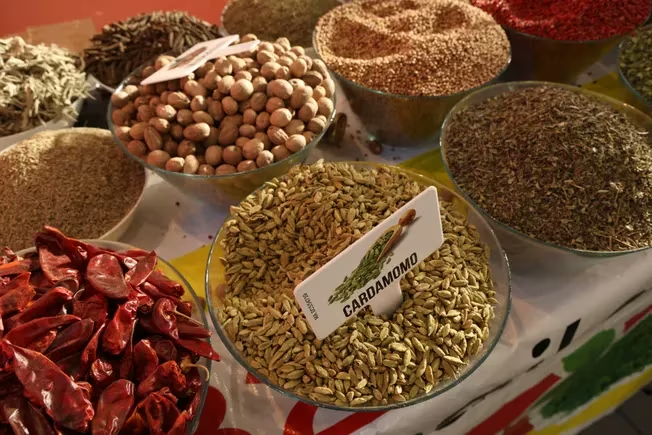
For the food sector, the practical implications extend beyond the immediate announcement. The U.S. imported more than $2 billion of spices from more than 50 countries in 2024, according to the American Spice Trade Association. Many of these are flavoring ingredients used in "hundreds of billions of pounds of food produced by American food manufacturers," the association said in a March letter to the Trump administration.
Attention now turns to how companies, customers and regulators respond. For example, black pepper requires the hot and humid environment found in places such as India, Vietnam and Brazil. Vanilla is primarily grown in Madagascar and requires specific temperature ranges and hand-pollination techniques. Cinnamon is harvested from tree bark native to Sri Lanka and Southeast Asia. It would not be able to survive U.S. winters.
Food Dive
https://www.fooddive.com/news/trump-tariffs-spices-food-ingredients-prices/752741/This report is prepared from the public source listed above for news and industry-information purposes. Original research, text, trademarks and images remain with their authors and rights holders; open material is used under the licence identified by its source. Rights holders may contact rights@asiafoodtimes.com with evidence of ownership, and verified concerns will be corrected or removed promptly. This article is not investment, legal, medical or nutrition advice.