Food Dive reported the development on 2026-03-12. Weight loss medications are pushing consumers to become more intentional about what they eat. That has major implications for the future of the sector.
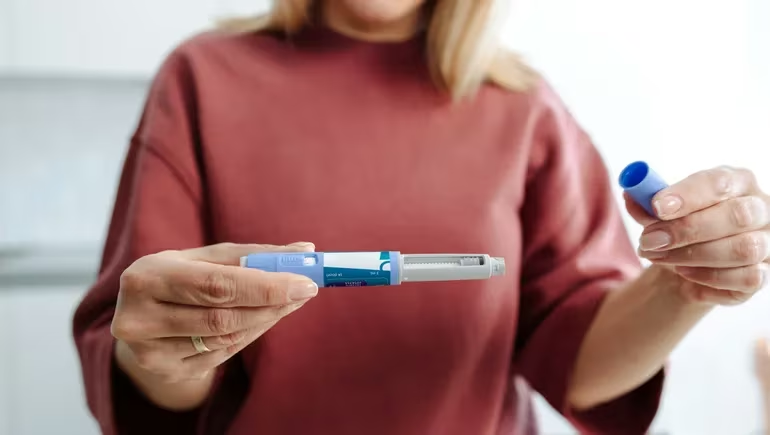
The report places the news in a wider commercial context. About a year ago, we published an article exploring how GLP-1 drugs could reshape the U.S. food and beverage sector. At the time, medications like Wegovy and Ozempic were gaining attention, but much of the debate centered on whether they would meaningfully change consumer behavior. GLP-1 adoption has accelerated; food and restaurant brands are already responding, and early data now shows measurable.
For the food sector, the practical implications extend beyond the immediate announcement. We decided to revisit our original perspective with the benefit of hindsight, emerging data, and new market signals. The aim is not to declare winners or losers, but to help leaders understand what is structurally changing — and where the next sources of advantage may lie. What we got right: GLP-1s are a structural shift, not a passing trend.
Attention now turns to how companies, customers and regulators respond. Our original thesis framed GLP-1 drugs as a structural disruption to eating habits and consumption patterns, not a short-term diet craze. That framing has held up. GLP-1s are increasingly used as long-term therapies rather than temporary interventions.
Food Dive
https://www.fooddive.com/news/opinion-glp-1-food-beverage-industry-predictions/814541/This report is prepared from the public source listed above for news and industry-information purposes. Original research, text, trademarks and images remain with their authors and rights holders; open material is used under the licence identified by its source. Rights holders may contact rights@asiafoodtimes.com with evidence of ownership, and verified concerns will be corrected or removed promptly. This article is not investment, legal, medical or nutrition advice.