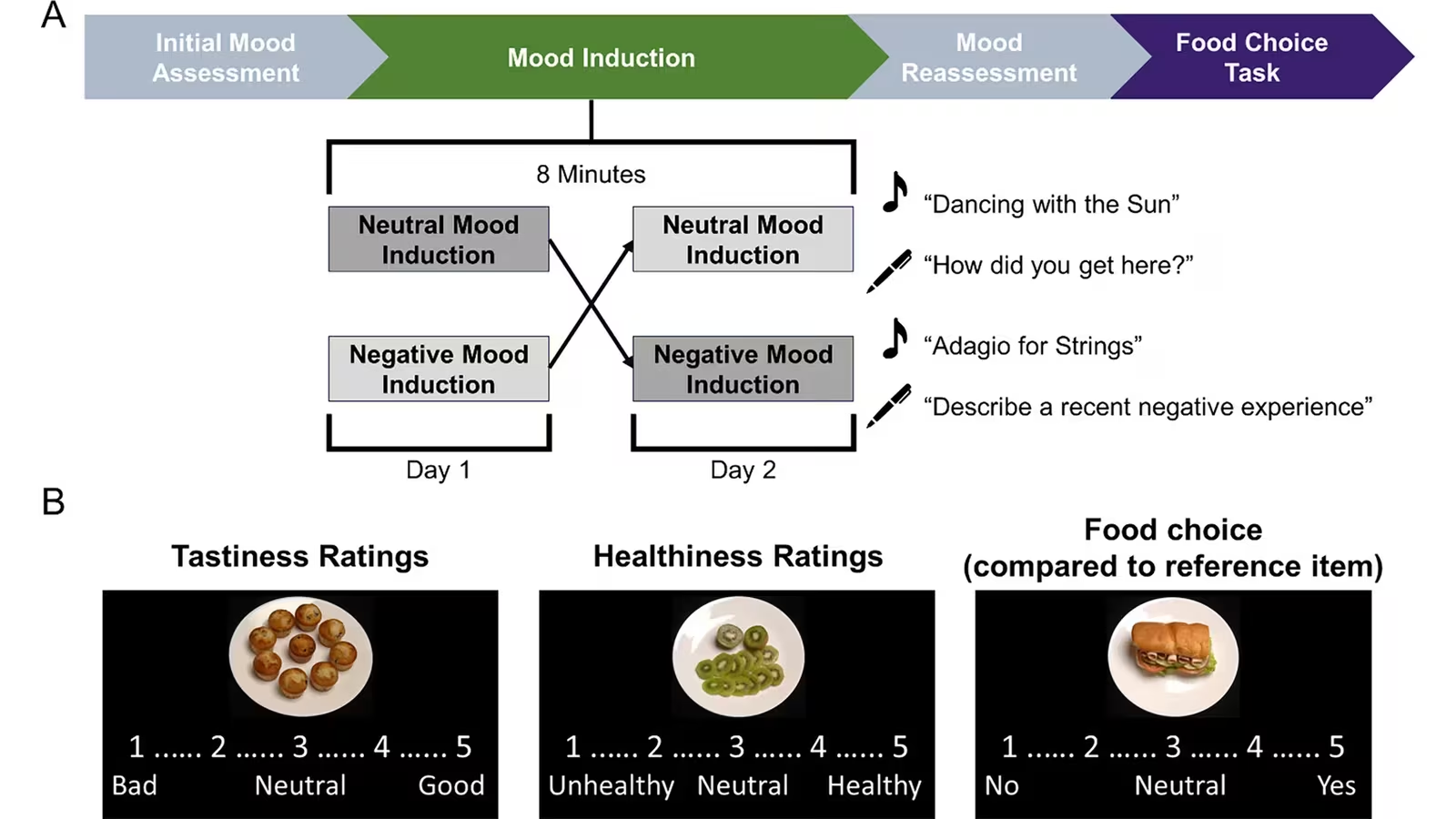
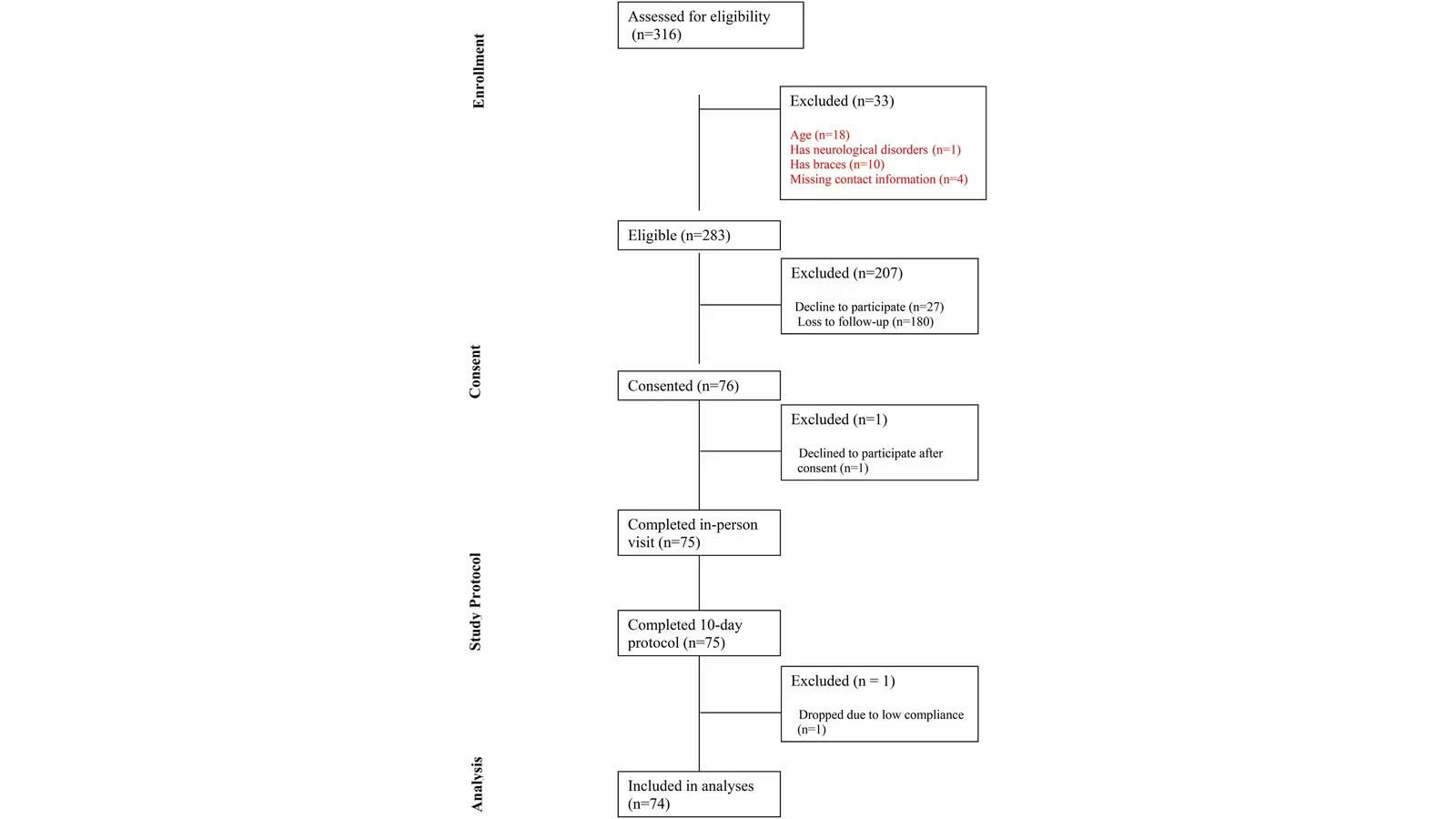
Objective Adolescence is a critical period where growing autonomy over food choices shapes long-term health behaviors. While stress and dietary restriction are linked to eating behavior, prior research has examined trait-level stress, leaving momentary processes less understood. This study investigated associations between momentary perceived stress and eating behaviors, with dietary restriction tested as a moderator. Methods Participants (N = 74 ages 14-17) from Los Angeles County completed a 10-day ecological momentary assessment protocol that included three to seven random smartphone prompts per day and initiated additional prompts during eating episodes.
What the research examined
Perceived stress and dietary restriction were assessed at random prompts, while eating behaviors were assessed during eating-episode prompts. Eating behavior outcomes included dysregulated eating (loss of control eating and overeating) and food consumed (pastries/sweets and fruits/vegetables). Time-lagged generalized linear mixed models tested within- and between-subjects associations. Results Neither within-subject perceived stress nor its interaction with restriction significantly predicted outcomes.
What the findings mean
No associations were found for predicting fruit and vegetable nor pastry/sweet consumption. However, in the main effect model, greater within- and between-subjects dietary restriction predicted subsequent loss of control eating, and higher between-subjects restriction predicted increased pastry/sweet intake. Conclusions The findings highlight dietary restriction as a key acute predictor of adolescents' loss of control eating, whereas momentary perceived stress did not emerge as a precipitant. Findings underscore the importance of screening for restrictive eating patterns and suggest that pediatricians and caregivers should monitor adolescents at risk. Future research should refine momentary stress assessment and test potential moderators of associations.
Study authors: Liu P, Morales JC, Dunton GF, Mason TB.. This report is based on the openly licensed abstract and source record and has been formatted for newsroom reading.
Journal of pediatric psychology
https://europepmc.org/articles/PMC13594650This report is prepared from the public source listed above for news and industry-information purposes. Original research, text, trademarks and images remain with their authors and rights holders; open material is used under the licence identified by its source. Rights holders may contact rights@asiafoodtimes.com with evidence of ownership, and verified concerns will be corrected or removed promptly. This article is not investment, legal, medical or nutrition advice.