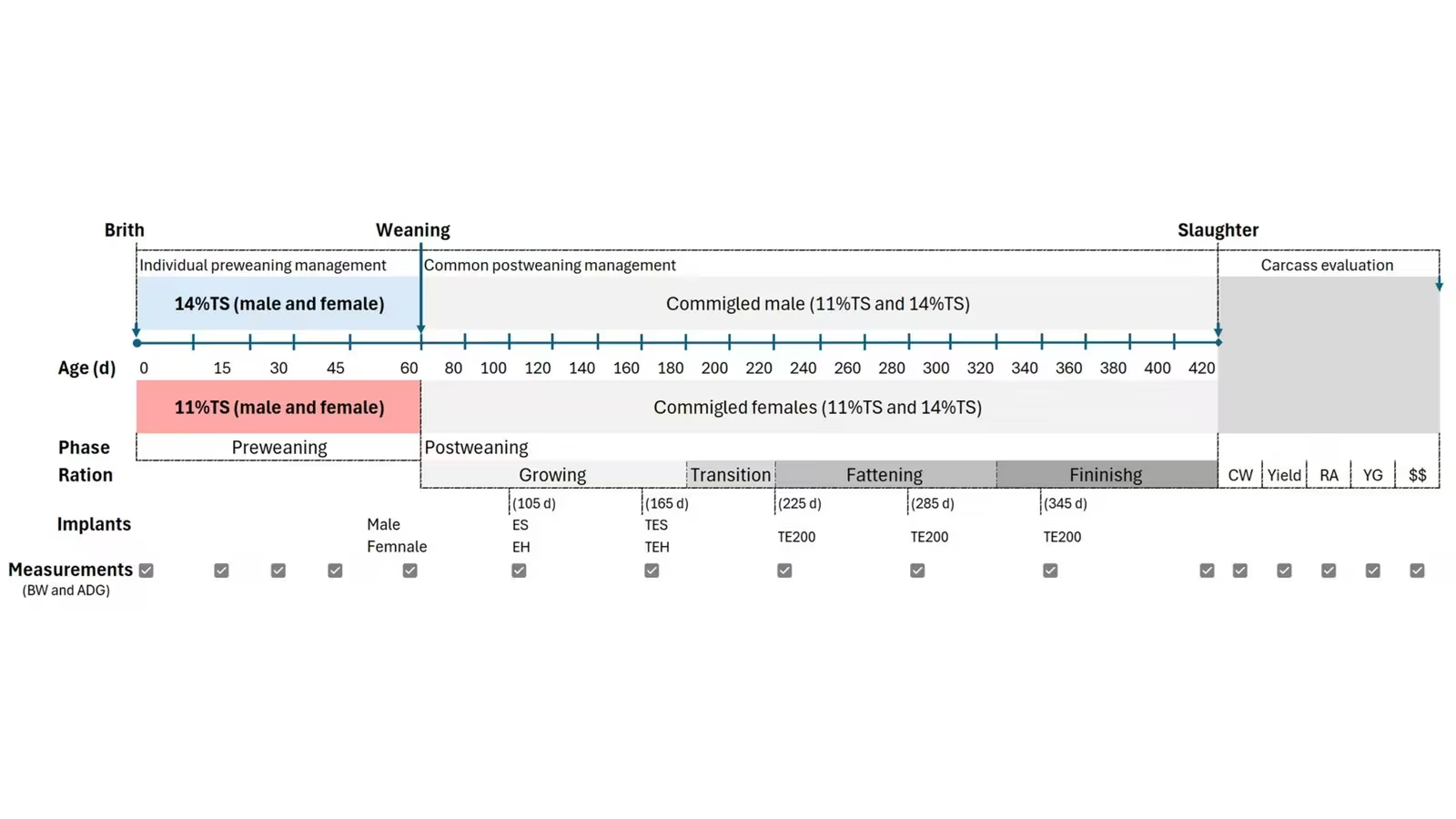
This study aimed to determine whether greater weight gains in crossbred calves fed whole milk adjusted to 14% total solids during the preweaning phase persist into the postweaning and finishing phases and influence carcass grading. Eighty Holstein × beef calves (male and female) were randomly assigned to receive either pasteurized whole milk with 11% total solids (11%TS) or pasteurized whole milk supplemented with milk replacer to achieve 14% total solids (14%TS). Calf nutrition was modified only during the preweaning phase ( p p p p < 0.05) proportion of animals was assigned to higher-quality lots (sale lot assignment; 30/40; 75% in lot type 1 for 14%TS vs.
What the research examined
20/40; 50% for 11%TS) and a greater numerical proportion of carcasses was classified as Choice (27/40; 67.5% for 14%TS vs. 20/40: 50% for 11%TS), as determined by USDA-approved automatic grading. Ultimately, these advantages translated into greater estimated revenue per animal (USD 117 per calf) for the 14%TS group than the 11%TS group under USDA beef-grading scenario.
What the findings mean
In conclusion, the results of this study demonstrate that providing enhanced nutrition to beef-on-dairy calves improves growth performance during the preweaning phase, compared with the control group. This improvement persists over time, reflecting in favorable slaughter outcomes and numerical responses in carcass grading, thereby increasing revenue per animal and reinforcing the strategic value of beef-on-dairy systems. In addition, the financial advantages of implementing a payment method based on USDA beef grading classification are highlighted.
Study authors: Carrillo-Moreno E, Carrillo-Moreno DI, Carrillo-Castellanos E, Pérez-Rebolloso E, Mellado M.. This report is based on the openly licensed abstract and source record and has been formatted for newsroom reading.
Animals : an open access journal from MDPI
https://europepmc.org/articles/PMC13603523This report is prepared from the public source listed above for news and industry-information purposes. Original research, text, trademarks and images remain with their authors and rights holders; open material is used under the licence identified by its source. Rights holders may contact rights@asiafoodtimes.com with evidence of ownership, and verified concerns will be corrected or removed promptly. This article is not investment, legal, medical or nutrition advice.