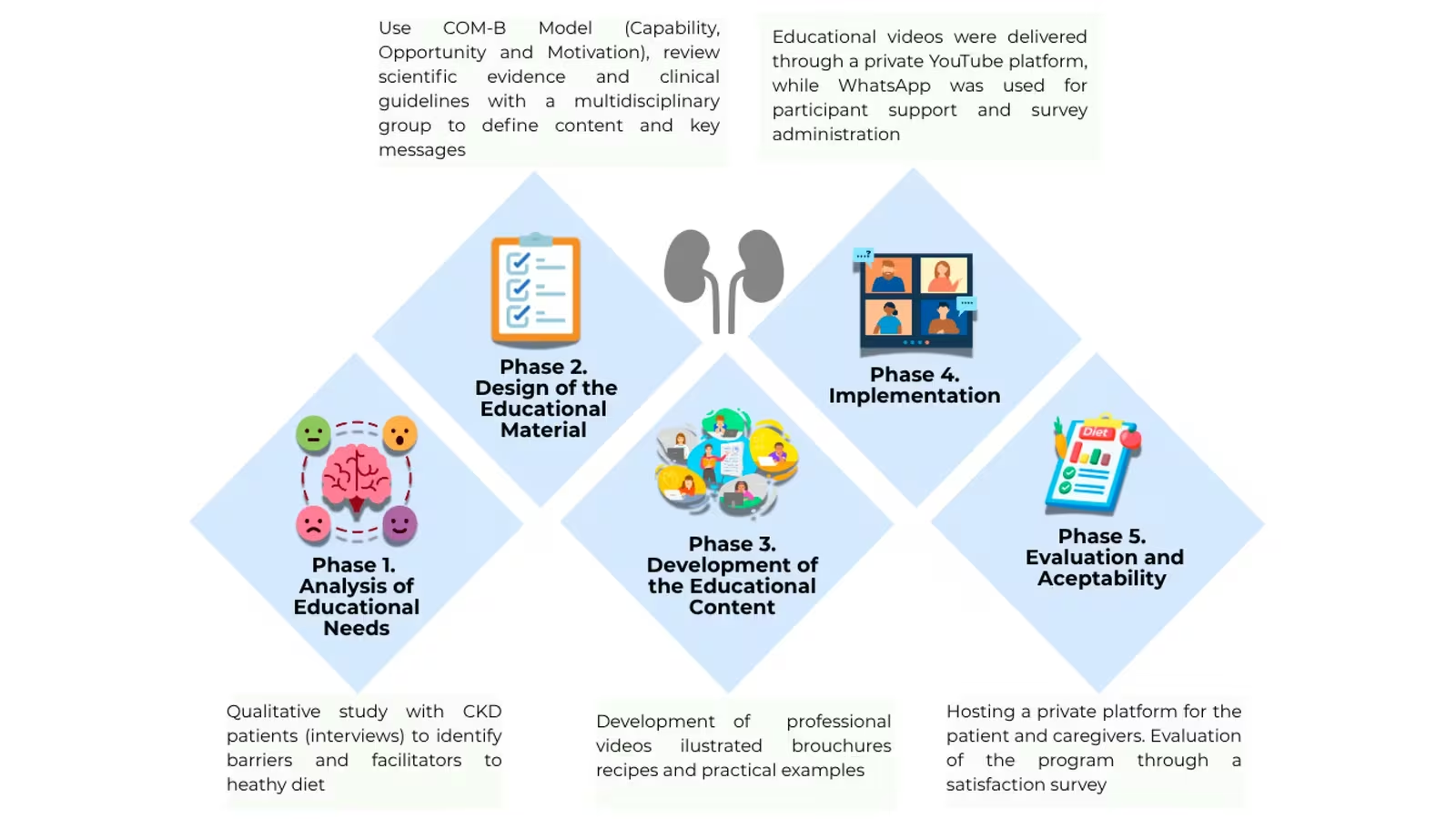
Background/objectives Adherence to a healthy diet has been shown to decrease the incidence and progression of chronic kidney disease (CKD). However, traditional nutrition education for CKD may not always adequately address healthy eating while incorporating patients' individual needs. The primary objective of this study was to systematically develop a nutrition education intervention for adults with stage 3-4 non-dialysis CKD; the secondarily objective was to evaluate the feasibility of the developed intervention.
What the research examined
Methods The educational material was systematically developed using ADDIE as the methodological framework and the COM-B (Capability, Opportunity, Motivation, and Behavior) model as theoretical reference to promote behavioral change in patients with CKD. Following the theoretical design, renal nutrition experts created the educational scripts, professionally produced video clips, and supporting brochures. The material was delivered digitally to patients with CKD to evaluate the feasibility of the intervention.
What the findings mean
Results A virtual educational intervention was developed to increase access for patients with limited mobility or living in rural areas and to enhance practical skills and stimulate interaction through structured exposition. It consists of 4 sessions, including 10 short videos to enhance attention and comprehension of the topics, and 6 digital handouts to reinforce the content. A proportion of 87% of invited patients completed the intervention and the acceptability surveys; in general, the acceptability of the educational intervention was high, with a mean score of 32 out of 35 points. Conclusions This educational intervention proposes a feasible structured intervention to improve adherence to a healthy diet, which may contribute to the strengthening of nutritional practice in CKD by promoting a patient-centered approach.
Study authors: Santos-López MF, Castro-Mata PC, García-Ramírez CC, Pérez-Galván L, Campos-Medina A, Cisneros-Hernández A, Nuño K, Chávez-Chávez HE, Diaz-Canchola LM, Cueto-Manzano AM, Martín-Del-Campo F.. This report is based on the openly licensed abstract and source record and has been formatted for newsroom reading.
Nutrients
https://europepmc.org/articles/PMC13609985This report is prepared from the public source listed above for news and industry-information purposes. Original research, text, trademarks and images remain with their authors and rights holders; open material is used under the licence identified by its source. Rights holders may contact rights@asiafoodtimes.com with evidence of ownership, and verified concerns will be corrected or removed promptly. This article is not investment, legal, medical or nutrition advice.