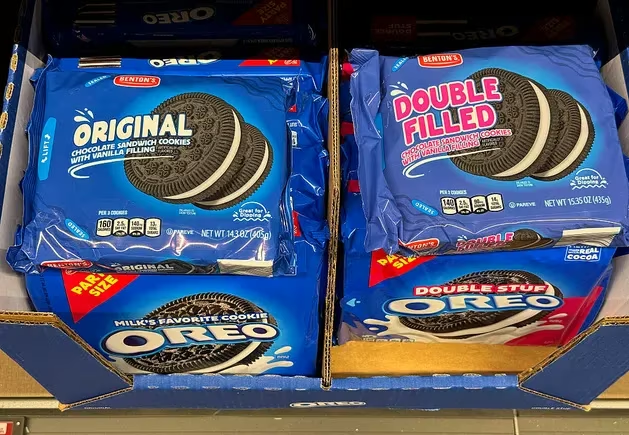
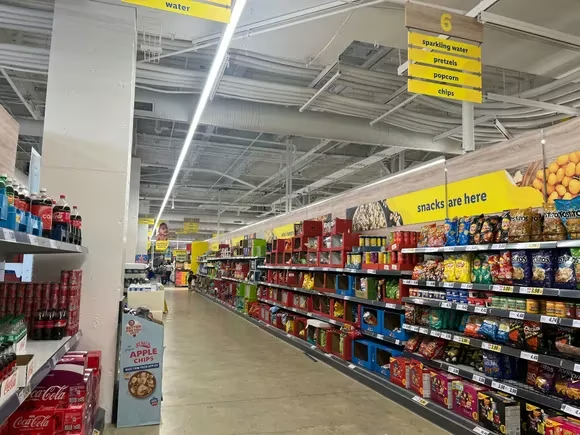
Grocery Dive reported the development on 2025-06-02. As thrifty consumers change their habits, grocers are gaining snack sales from convenience stores and drug stores but losing sales to club competitors, a NielsenIQ report found.
The report places the news in a wider commercial context. Grocers nabbed sales of nearly 160 million bags of chips, boxes of crackers and other snacks from competitors during the 52-week period ended March 22, according to a recent snacking report from NielsenIQ. However, grocers lost around 56 million snack unit sales to club and mass merchandisers over that same period, the firm found.
For the food sector, the practical implications extend beyond the immediate announcement. The report indicates grocers sit in the middle of a snacking shift as price-conscious consumers cut back on snack spending and increasingly prioritize larger pack sizes and private label options. NielsenIQ’s research shows that shoppers are turning to a variety of measures to spend less on snacks. That’s both good and bad news for grocers. The development affects how.
Attention now turns to how companies, customers and regulators respond. The good news is that grocers are siphoning away a significant number of snacking dollars from retailers that specialize in impulse purchases and single-serve snacks. This includes c-stores, which accounted for 38% of the unit shift to grocery in the year-over-year period ended March 22, followed by drug stores (29%) and dollar stores (22%).
Grocery Dive
https://www.grocerydive.com/news/grocery-snacking-trends-nielseniq-consumer-data/749456/This report is prepared from the public source listed above for news and industry-information purposes. Original research, text, trademarks and images remain with their authors and rights holders; open material is used under the licence identified by its source. Rights holders may contact rights@asiafoodtimes.com with evidence of ownership, and verified concerns will be corrected or removed promptly. This article is not investment, legal, medical or nutrition advice.